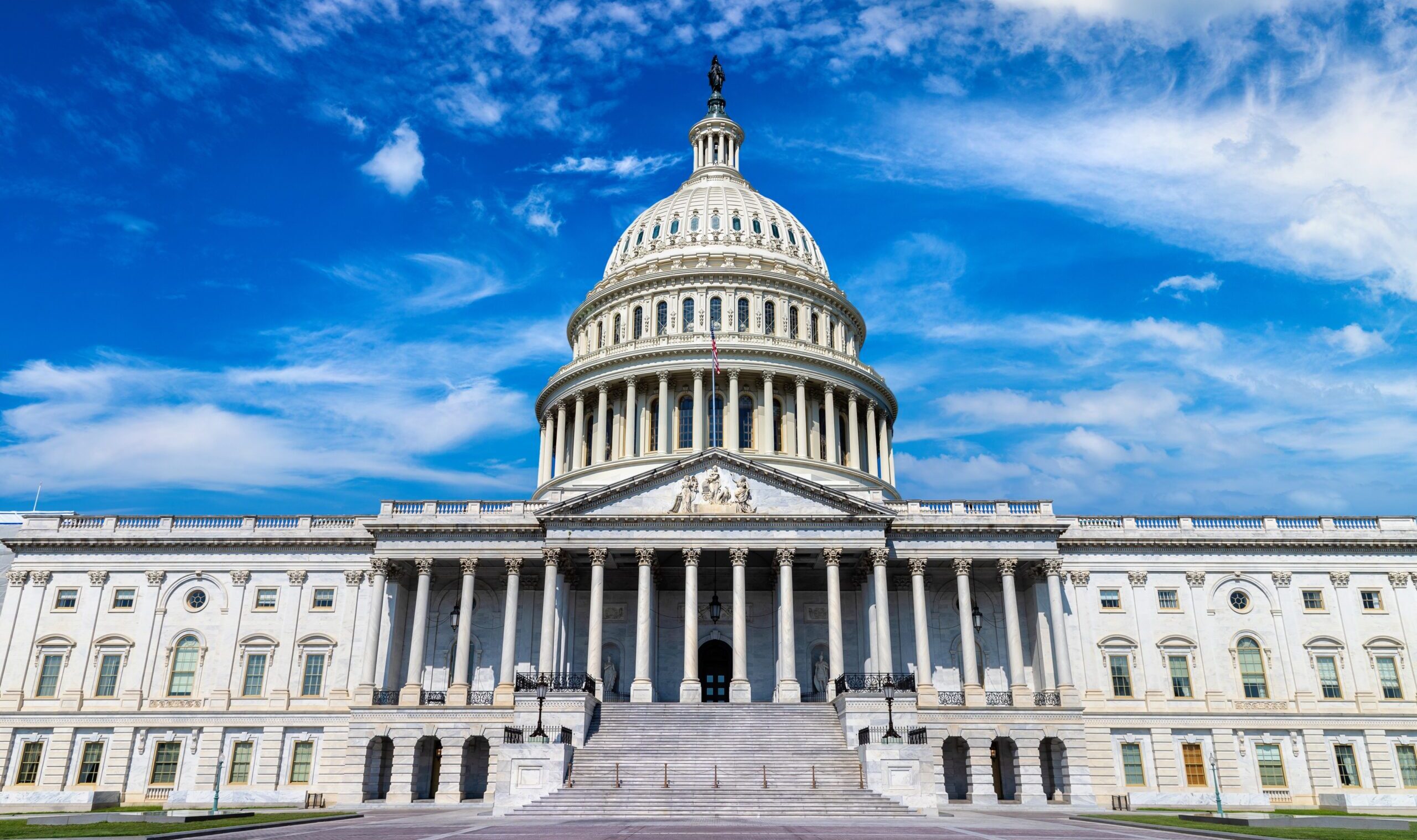
Following successful passage through the Senate, the bill now rests on the threshold of the House floor, with a clear path to President Donald Trump’s desk. The proposed measures target the financial foundations of Russia’s ongoing invasion of Ukraine, mandating a strategic decoupling of global energy markets from Russian output. Beyond the immediate focus on Moscow, the legislation empowers the executive branch to impose tariffs on China and India, effectively penalizing nations that maintain significant commercial ties to Russian resources.
Ukrainian President Volodymyr Zelenskiy has emerged as a vocal proponent of the act, framing it as a vital instrument in the broader geopolitical struggle. Despite the broad bipartisan momentum, the bill faces domestic scrutiny regarding the extent of the authority it delegates to the White House. Critics argue the provisions grant the President excessive latitude in unilateral tariff enforcement, potentially altering the balance of power between the legislative and executive branches. Should the House approve the measure, it will mark a significant escalation in the U.S. policy of economic containment.


Comments (0)
No comments yet. Be the first!