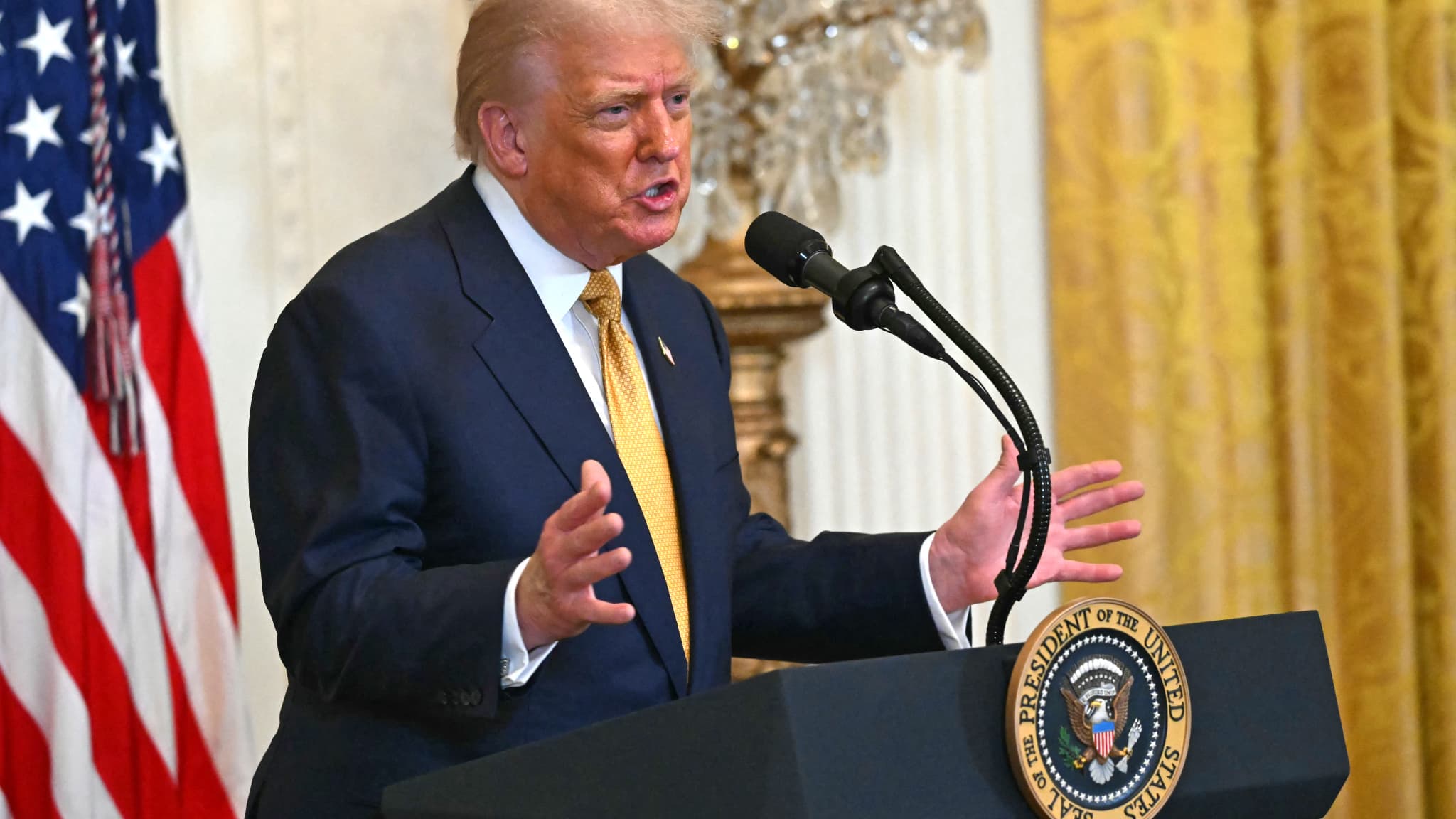
The scheme relies on tariff revenues to fund the massive transfer, a premise currently unsupported by revenue projections. This gap leaves the administration facing a choice: pursue additional government borrowing that could further inflate federal debt or navigate a skeptical Congress. Even with Republican majorities, the fiscal scale and potential inflationary impact of such transfers present a significant hurdle for legislative passage.
For Kevin Warsh, the proposal represents a critical test of his long-standing economic philosophy. Warsh has consistently argued that the Federal Reserve erred during the pandemic by ignoring the rapid expansion of M2 money supply, which preceded a sharp rise in inflation. A new $1.2 trillion injection would force a direct confrontation between fiscal stimulus and the Fed’s attempts to anchor price stability. While the central bank typically ignores speculative political rhetoric, the mere possibility of such a transfer forces policymakers to account for potential shifts in aggregate demand. Should the proposal gain momentum, it would exacerbate the existing tension between Trump’s preference for lower interest rates and the Fed's struggle to manage an economy where inflationary pressures remain stubborn.



Comments (0)
No comments yet. Be the first!