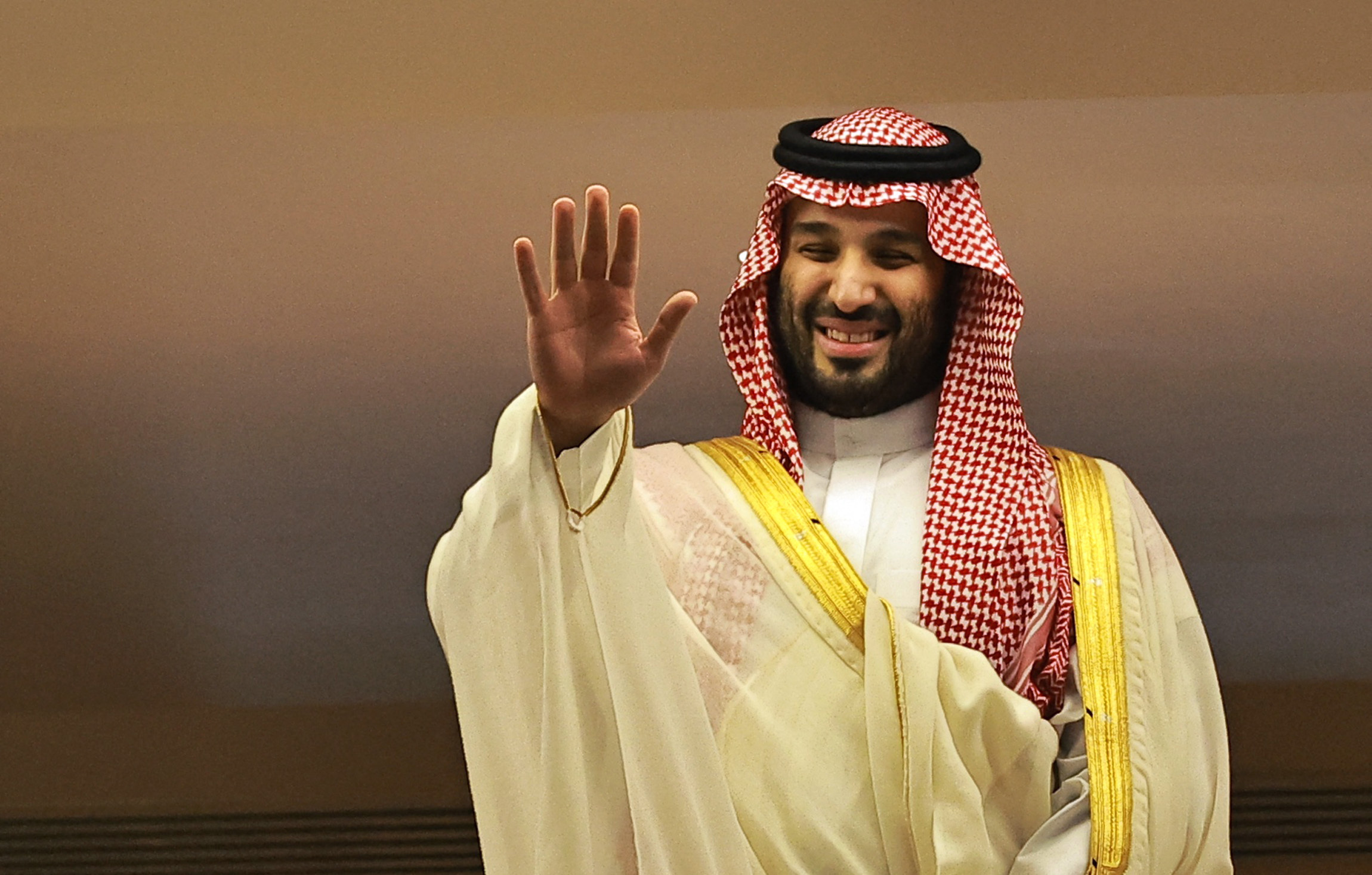
The exchange marks a cold transition in the 80-year relationship between the two nations. For decades, the arrangement anchored by the Carter Doctrine functioned as an implicit promise of protection in exchange for reliable energy access. By declining to intervene, the U.S. has effectively converted that guarantee into a limited menu of services, leaving Saudi Arabia to navigate an active regional war without the shield it once relied upon. This shift was not sudden; it was a reality Riyadh had been anticipating since 2019, when the U.S. refrained from retaliating against strikes on Saudi Aramco facilities at Abqaiq.
Mohammed bin Salman’s recent efforts to hedge against this outcome include a 2025 mutual defense pact with Pakistan and Turkey, and quiet coordination with Israel through U.S. Central Command. However, these alternatives remain unproven. When the Mecca pact was invoked for a token deployment, the result was largely symbolic, and the kingdom’s choice not to trigger it following a refinery strike suggests that Riyadh recognizes the limits of its new security architecture. Washington’s refusal to act confirms a new, harder reality: the U.S. will no longer provide unconditional protection, forcing the kingdom to manage its own regional threats while relying on a patchwork of partial alliances.


Comments (0)
No comments yet. Be the first!