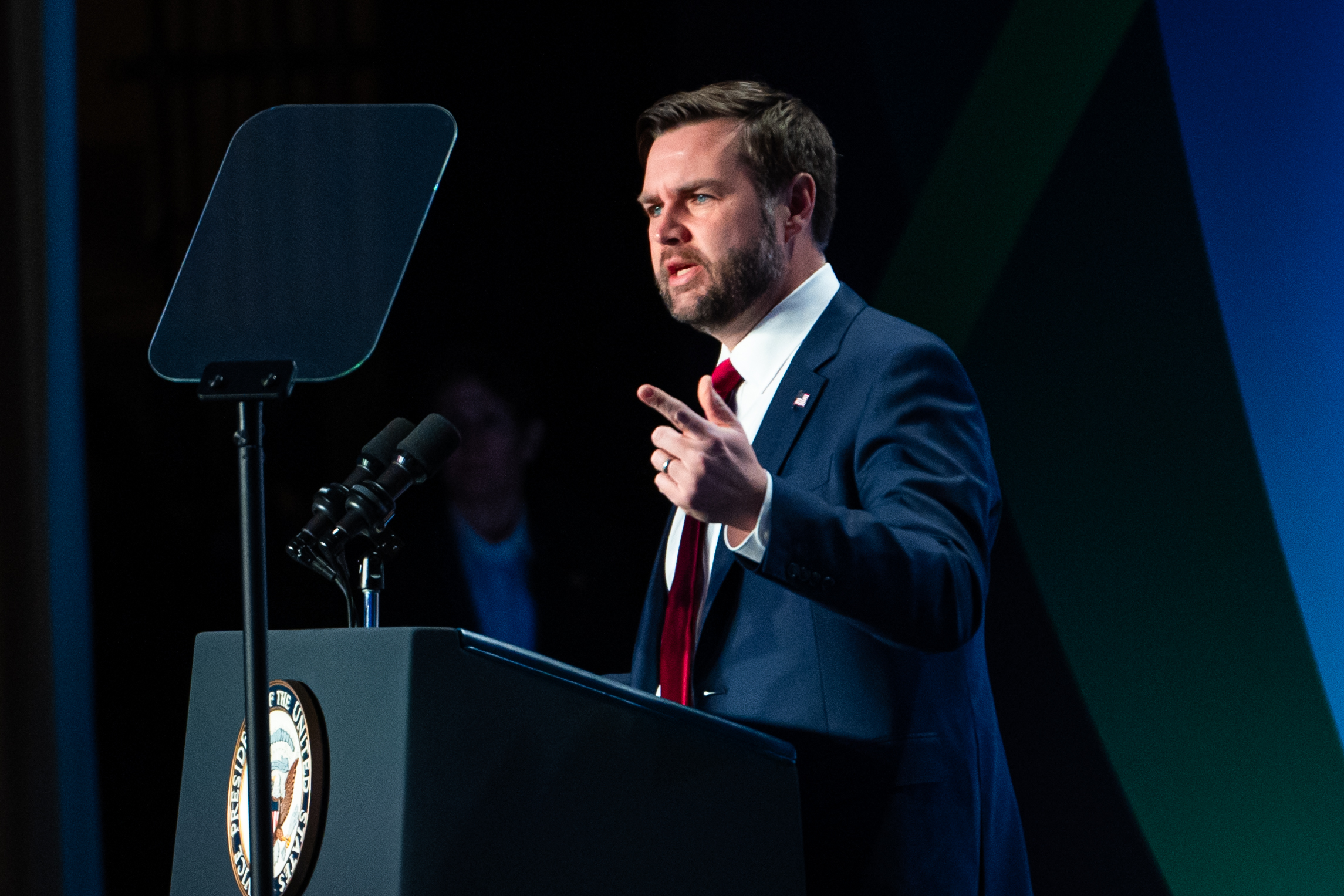
In Michigan, Vice President JD Vance has targeted Senate candidate Abdul El Sayed, accusing him of sympathizing with terrorism following his response to a March attack on a Detroit-area synagogue. El Sayed, who has since apologized for his remarks, remains a focal point in a race that could yield the first Muslim elected to the US Senate. Similar friction is playing out in Texas, where Governor Greg Abbott has ordered an investigation into a Muslim-led development over baseless claims regarding the establishment of religious courts. Meanwhile, Alabama Senate candidate Tommy Tuberville continues to label the religion an internal security threat.
Political analysts view this trend as a calculated effort to mobilize voters through identity politics, particularly as Republicans navigate domestic challenges like inflation and immigration. By focusing on cultural fears, candidates hope to bypass economic anxieties that have historically defined midterm cycles. However, the approach carries significant risks. The American Muslim electorate is not a monolith; many hold socially conservative values that overlap with GOP platforms. Alienating this growing constituency could prove costly, especially as Muslim Americans achieve greater political visibility through officials like New York City Mayor Zohran Mamdani and Virginia Lieutenant Governor Ghazala Hashmi. As November approaches, the debate over whether this rhetoric constitutes valid security scrutiny or targeted religious bias will likely dominate several high-profile congressional and gubernatorial races.

Comments (0)
No comments yet. Be the first!