The Global Energy and Fertilizer Crisis Response Framework, approved by the bank’s board on September 1, 2026, draws $4.1 billion from the African Development Bank and up to $960 million from the African Development Fund. This injection brings the group's total 2026 lending target to $12.7 billion. Unlike rigid regional mandates, the program allows governments to tailor financial and policy interventions to their specific economic vulnerabilities and exposure to international market shocks.
The strategy rests on four pillars: maintaining economic stability, securing essential supplies, protecting vulnerable households, and building long-term resilience. By providing counter-cyclical financing and emergency trade credit, the bank intends to keep fertilizer moving to farms and energy flowing to essential services. Abdul Kamara, the bank’s acting vice president for country operations, noted that the priority is to prevent temporary volatility from eroding years of development gains.
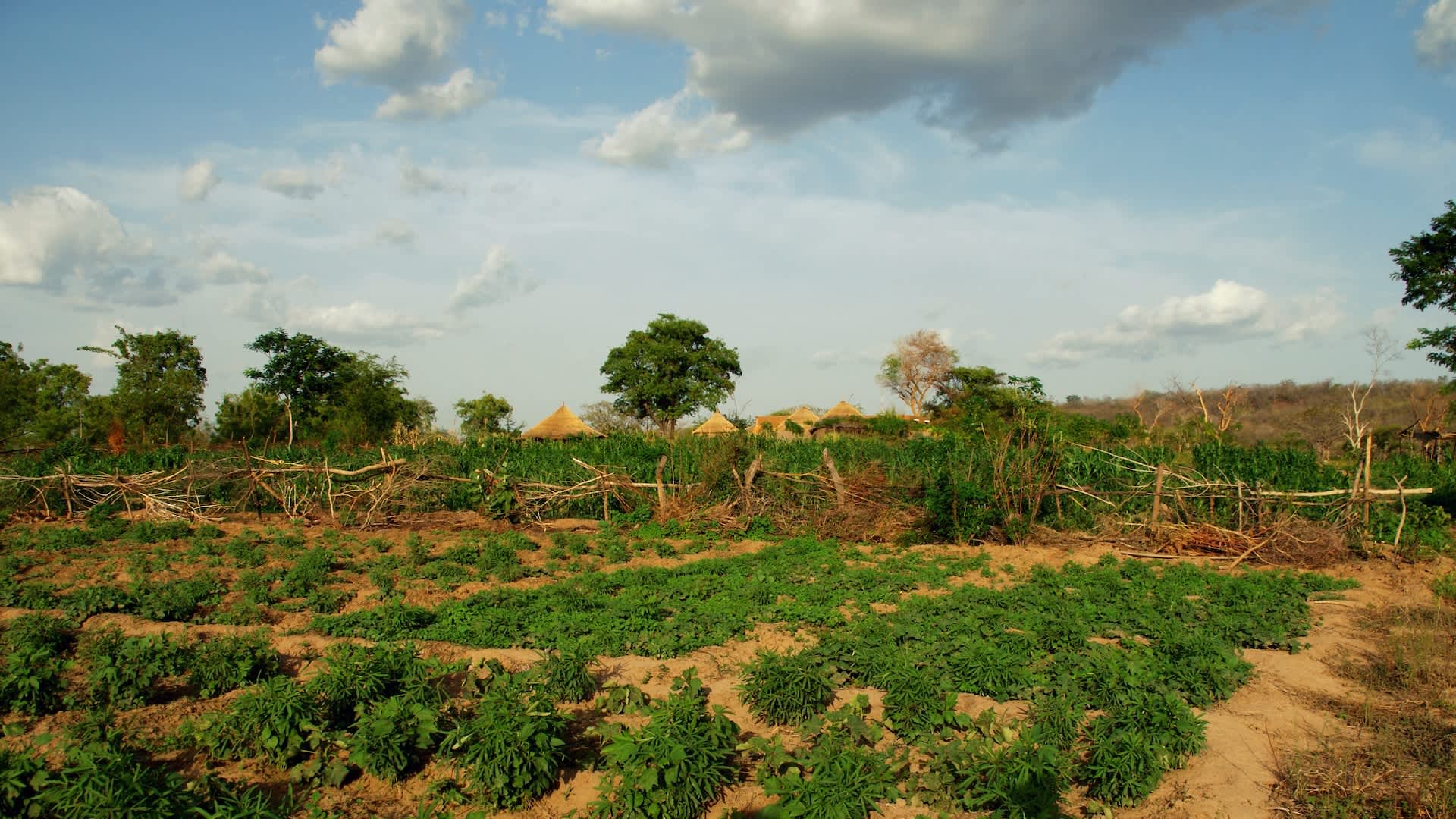
Agricultural security remains a central focus, as high input costs continue to threaten crop yields. Martin Fregene, heading the bank’s agriculture and social development division, emphasized that the funding will enable businesses to maintain fertilizer supply chains while countries work toward local production. The framework will remain active for one year, with a focus on shifting from broad, expensive subsidies toward targeted social protection for women, youth, and low-income populations.

Comments (0)
No comments yet. Be the first!