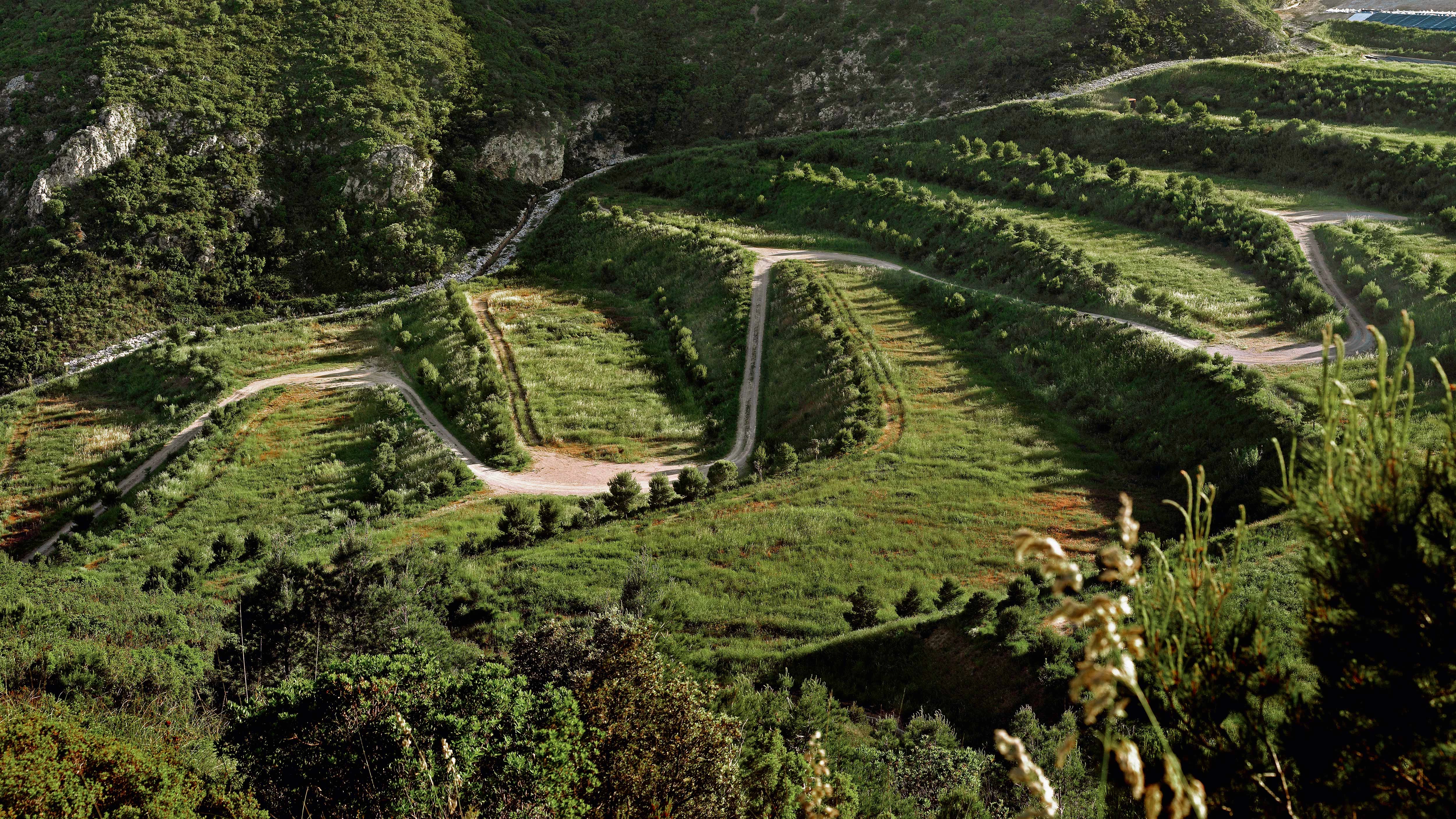
The Sahara and Sahel Observatory led discussions on the LDN Target Setting Programme 2.0, emphasizing that environmental recovery requires moving beyond administrative targets. Participants from Tunisia and Egypt highlighted that progress is currently stifled by fragmented institutional responsibilities and a lack of data-driven decision-making. To bridge this gap, experts argued for integrating grassroots initiatives into broader national planning, ensuring that isolated successful techniques achieve the scale necessary to attract private capital and multilateral development bank support.
Pedro Lara Almuedo of the UNCCD Global Mechanism noted that technical frameworks remain hollow without the political will to align public institutions for long-term efforts. This sentiment was echoed by Arona Soumare of the African Development Bank, who urged a shift in development banking from traditional lending toward de-risking ecological projects. By connecting geospatial monitoring with clear financial outcomes, countries can move from merely documenting degradation to creating productive landscapes that secure livelihoods. The objective, as stated by Abdoulkarim Bello, is a continuous link between raw data and measurable community impact.



Comments (0)
No comments yet. Be the first!