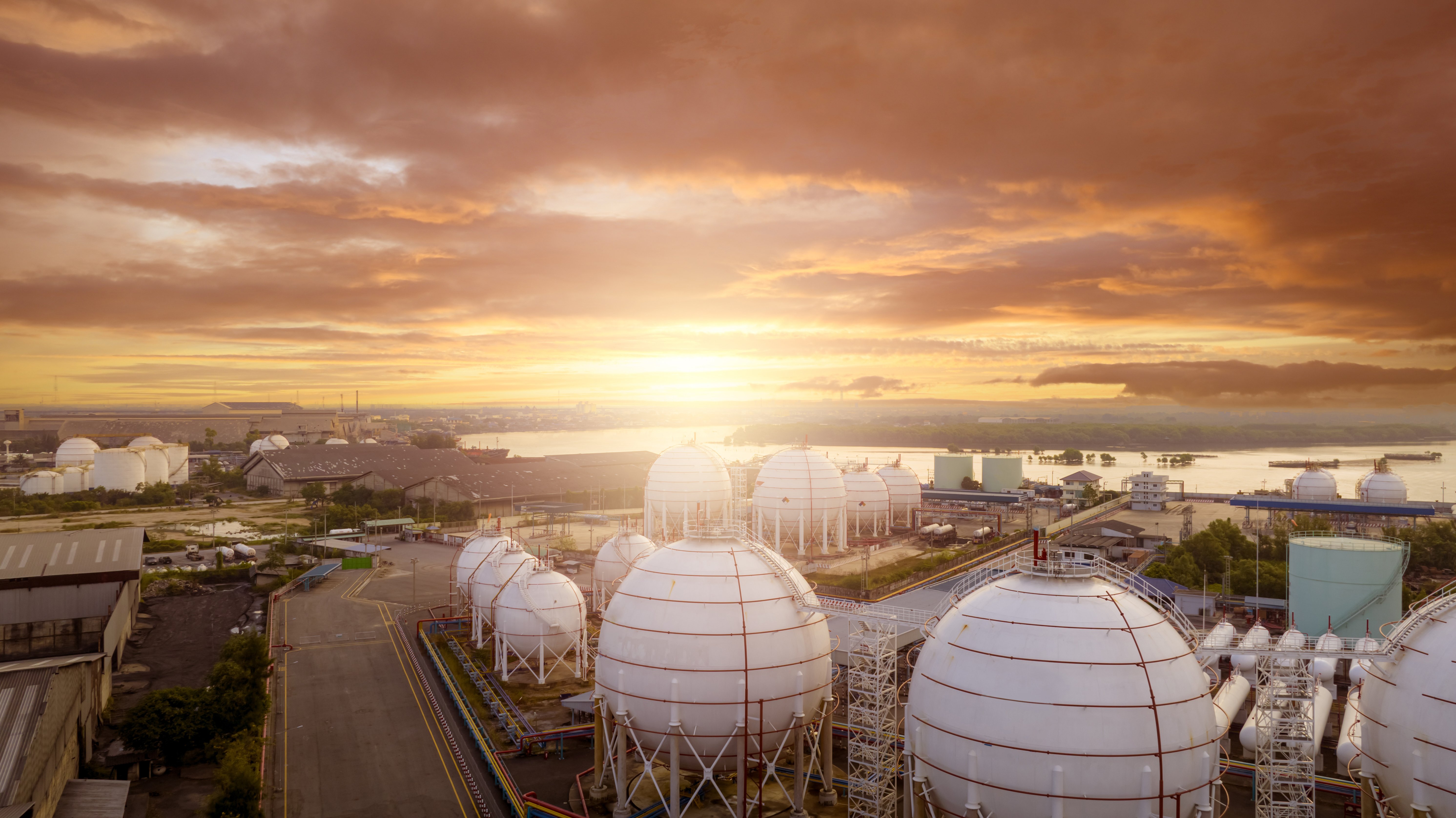
Benchmark gas prices have climbed to €75 per megawatt hour, fueled by supply disruptions in the Strait of Hormuz. With storage facilities only 66% full—significantly trailing last year’s pace—Germany and the Netherlands face the highest exposure to volatile spot markets. While production increases in the United States and Canada have prevented a total supply collapse, the financial burden is mounting. In 2025 alone, the European import bill hit €117 billion, a cost that continues to climb even as total consumption remains below pre-crisis levels.
Unlike the 2022 energy crisis, European governments now face tighter fiscal constraints, limiting their ability to deploy the massive subsidies used previously to shield industries and households. This leaves manufacturers in a precarious position: they must either absorb the price hikes, which erodes investment capacity, or pass costs to consumers, further losing ground to lower-cost Chinese competitors. As the continent attempts to rearm and expand its digital infrastructure, the structural shift toward expensive energy risks permanently undermining the very industrial base that these strategic objectives are intended to protect.


Comments (0)
No comments yet. Be the first!