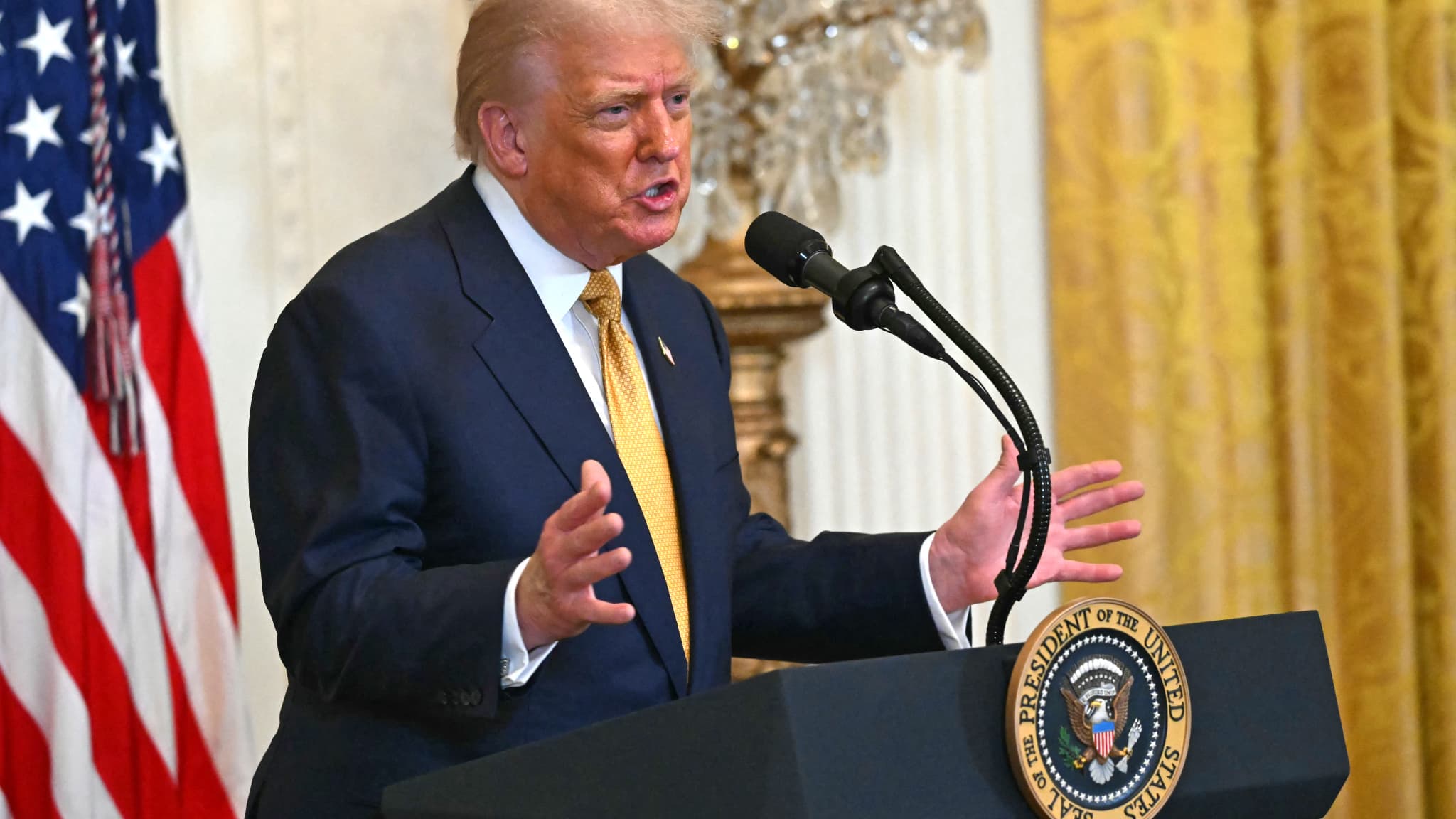
The decision to scale back the annual Ulchi Freedom Shield—a cornerstone of US-ROK readiness and operational interoperability—was delivered without prior consultation with Seoul. While Trump framed the cut as a move to reduce costs and ease tensions with Kim Jong Un, the move has fueled anxiety within South Korea regarding the reliability of American security guarantees. The exercises are not merely tactical; they are institutionalized symbols of a long-standing defense commitment that transcends individual presidential cycles. With the reduction, the administration risks validating long-held fears in Seoul that American protection is becoming increasingly conditional.
Simultaneously, the administration’s insistence on continuing the trilateral Freedom Edge exercises functions as a compensatory signal to Tokyo and Seoul. By emphasizing these maritime and air-focused maneuvers, Washington aims to maintain a broader regional coalition even as it curtails the specific, peninsula-focused defense preparations. This strategy suggests an attempt to mitigate the risk of entrapment in a direct conflict while keeping the wider alliance architecture intact. However, Pyongyang remains unmoved by the gesture, as evidenced by the subsequent launch of ten short-range ballistic missiles shortly after the announcement. For South Korea, the shift serves as a stark reminder of its vulnerability, likely intensifying domestic debates over the necessity of achieving nuclear latency and greater strategic autonomy in an era of unpredictable American foreign policy.

Comments (0)
No comments yet. Be the first!