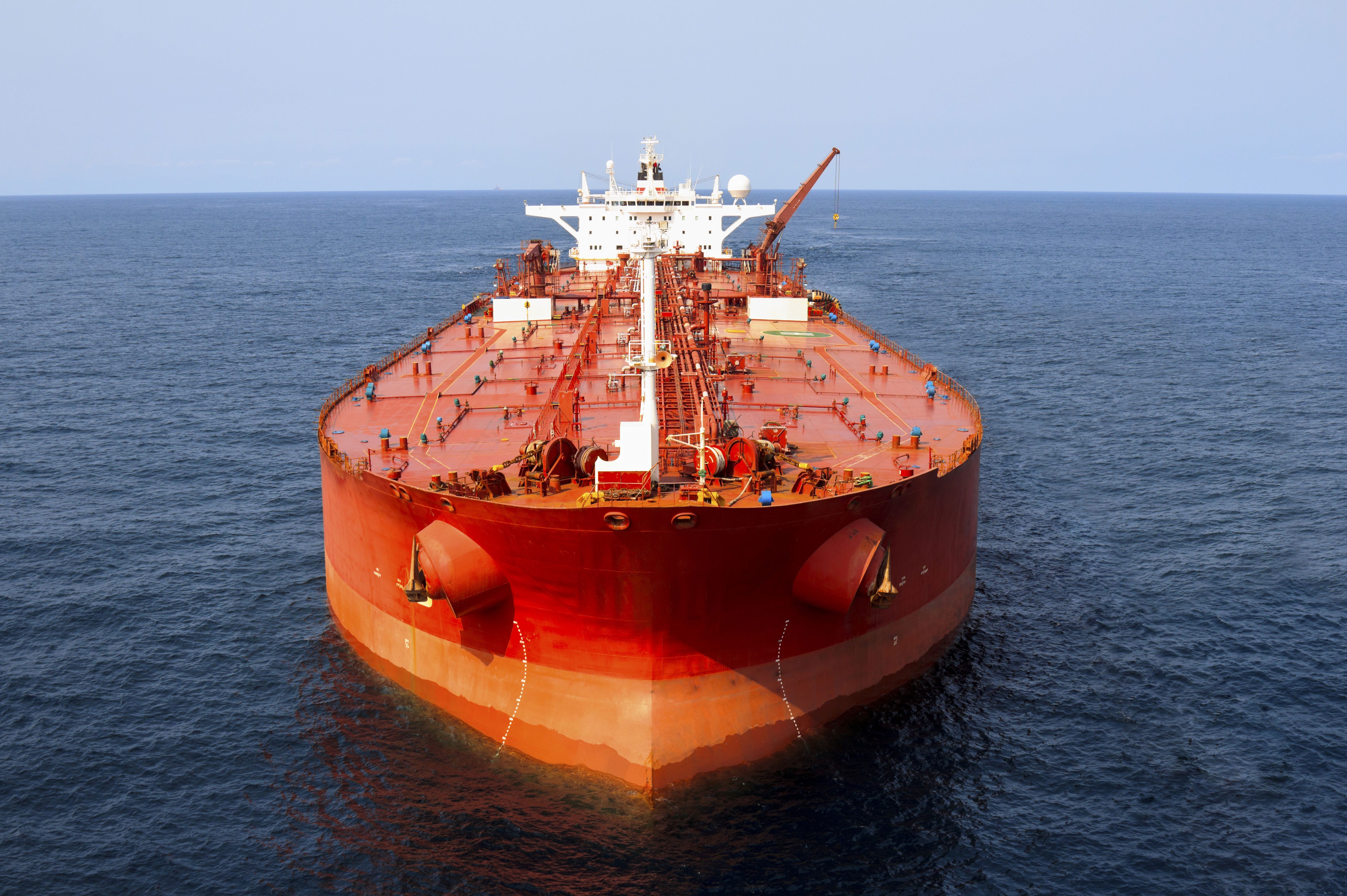
Mohsen Rezaei, secretary of Iran’s Supreme National Security Council, announced plans to enforce a restricted shipping corridor near the Strait of Hormuz. Tehran claims vessels entering this designated zone face immediate sanctioning, a move designed to counter the U.S. blockade on Iranian oil exports. While the U.S. military maintains that its warships successfully evaded recent missile engagements, the threat to global energy transit remains acute. Prior to the current hostilities, the Strait of Hormuz facilitated nearly 20% of global oil and liquefied natural gas shipments, making it a critical pressure point for international markets.
The conflict has moved beyond direct U.S.-Iran friction, as evidenced by Houthi-led strikes on Saudi Arabian cities that injured 73 people. This expansion exposes regional infrastructure and U.S. military assets to broader instability. Despite the economic strain of sanctions—which have triggered significant inflation and currency volatility within Iran—Tehran shows no sign of abandoning its military posture. Instead, officials are doubling down on missile development, describing the Qassem Basir as an upgraded system capable of bypassing electronic countermeasures. As Washington continues Operation Epic Fury, the lack of a viable diplomatic exit strategy leaves energy prices and regional security increasingly vulnerable to the next tactical miscalculation.


Comments (0)
No comments yet. Be the first!