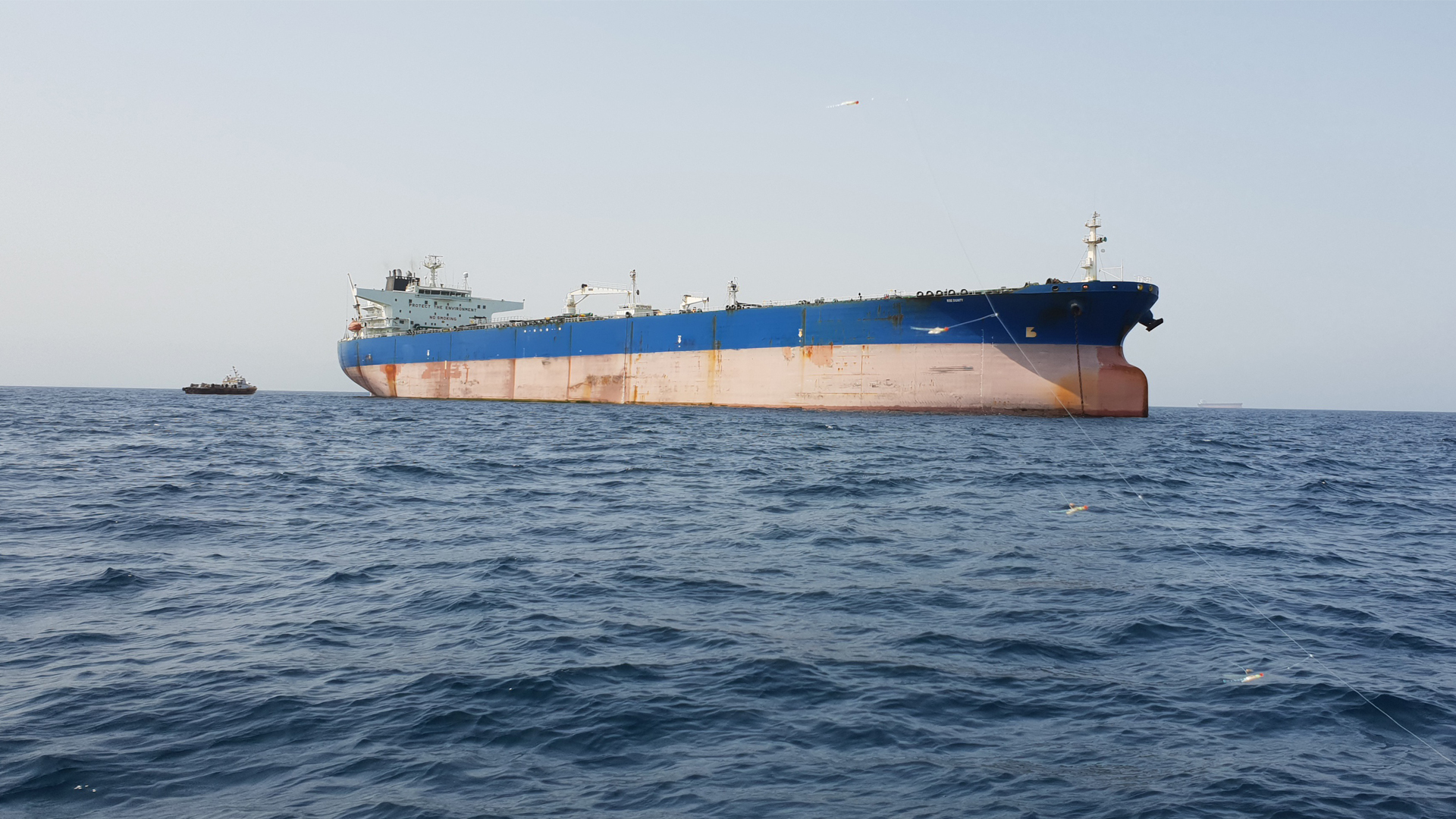
Researchers Adil Zareef Khan, Cheng-Wen Lee, and Ping-Hung Chen, writing in the journal Systems, analyzed data from 60 countries to quantify how disruptions in the Gulf ripple through national economies. By developing a Hormuz Disruption Index—which tracks oil throughput, LNG flows, and tanker congestion—they demonstrated that periods of high maritime stress correlate with suppressed trade growth and spikes in consumer-price inflation.
Crucially, the study finds that the severity of these shocks depends on a country’s specific exposure profile. Nations with high energy-import reliance, limited supply diversification, and thinner fiscal buffers—including India, Pakistan, and Kenya—face the most significant trade contractions. Conversely, countries equipped with strategic reserves and efficient logistical infrastructure demonstrate an ability to absorb these shocks, mitigating the impact on their domestic markets.
The findings suggest that policymakers must move beyond viewing the Strait solely as a naval security concern. Instead, the focus should shift toward building macroeconomic resilience. By diversifying energy suppliers and strengthening port and supply-chain infrastructure, vulnerable nations can prevent temporary maritime bottlenecks from escalating into prolonged economic instability.




Comments (0)
No comments yet. Be the first!