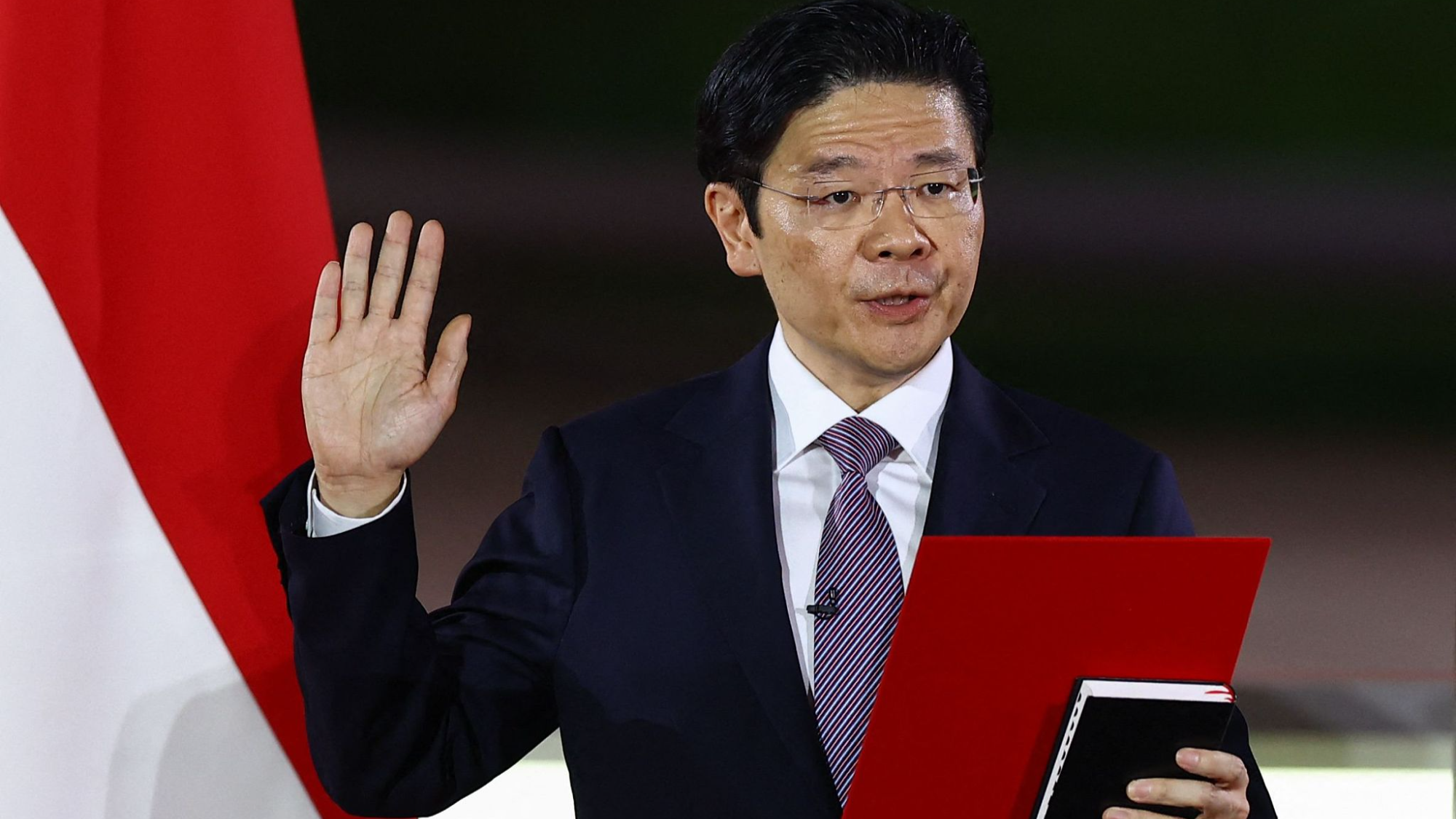
The government’s decision to resume salary reviews follows a deferral in 2023, a move originally intended to shield the administration from criticism during a volatile economic climate. Prime Minister Lawrence Wong and Coordinating Minister Chan Chun Sing are slated to address recommendations regarding a compensation framework that benchmarks ministerial pay against the nation's top 1,000 earners.
Even after a 36% reduction in 2012, junior ministers continue to draw S$1.1 million per year. While the administration maintains that high salaries are a pragmatic tool for maintaining clean, efficient governance, the gap between political compensation and the financial reality of the average citizen drives the ongoing debate. As the committee prepares to present its findings, the clash between the state’s talent-retention strategy and public demand for fiscal restraint remains a central challenge for the current leadership.


Comments (0)
No comments yet. Be the first!