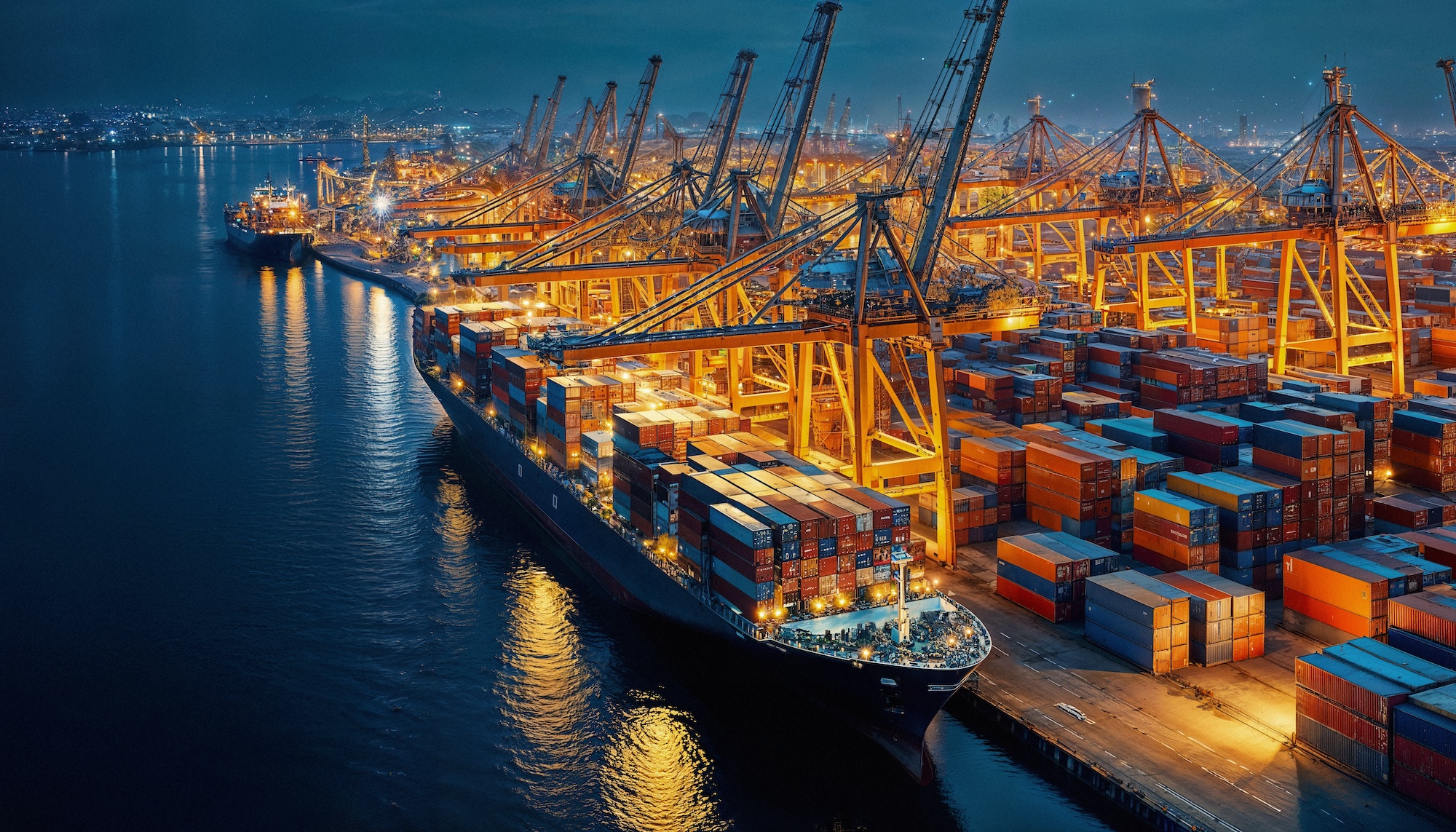
Huy Trung Bui and Huong Giang Mai of the Banking Academy of Vietnam analyzed bilateral investment data from 36 countries between 2002 and 2022. Their findings suggest that foreign direct investment (FDI) is increasingly sensitive to the comparative geopolitical environment. When an investing nation faces higher geopolitical volatility than the host, capital inflows into the latter consistently decline. This relationship is not merely a reaction to immediate crises; the study shows that the negative impact of geopolitical shocks lingers, with lagged effects continuing to depress investment in subsequent periods.
Institutional credibility emerges as a critical buffer in this fragmented landscape. While political stability cannot fully insulate a host country from external geopolitical tremors, it significantly weakens the negative correlation between risk and investment. Companies operating within stable environments appear better equipped to maintain long-term commitments despite global uncertainty. The research highlights a stark disparity in sensitivity: investors from developing economies are substantially more reactive to geopolitical shifts than their counterparts in developed nations, likely due to tighter financing constraints and less sophisticated risk-management infrastructure. For developing host countries, this underscores the necessity of maintaining transparent, predictable regulatory frameworks to attract and retain capital in an era defined by economic insecurity.


Comments (0)
No comments yet. Be the first!