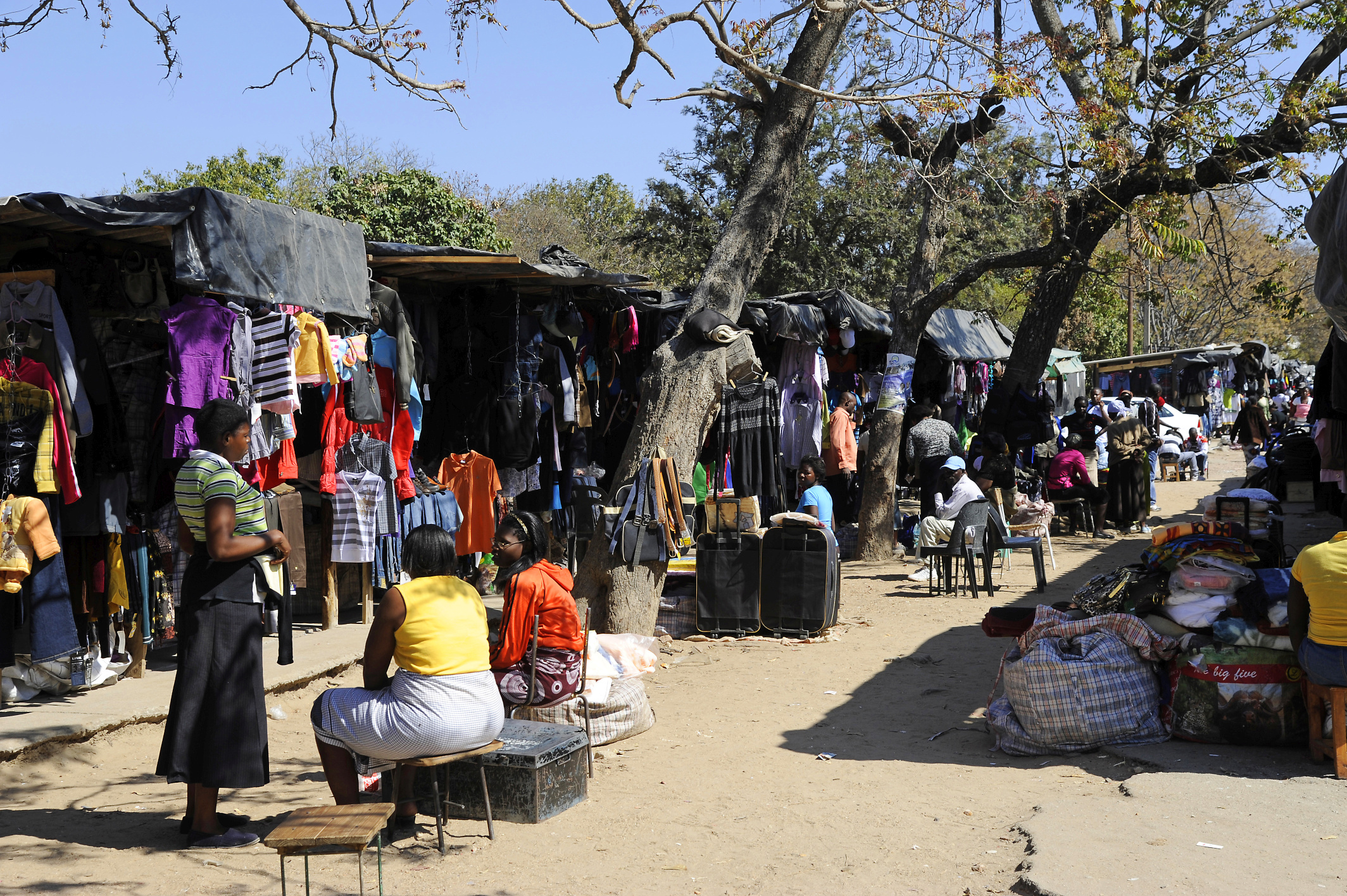
The nation's GDP grew by an average of 6% annually between 2021 and 2025, yet this expansion has failed to translate into widespread prosperity. Most workers remain in the informal sector, where median earnings hover at $130 per month. Without a shift toward manufacturing and high-value industries, the country’s goal of reaching upper-middle-income status faces delays, potentially pushing that milestone back to 2036.
Energy and infrastructure deficits act as a persistent drag on progress. Electricity shortages alone siphon away an estimated 6.1% of GDP annually through lost production and equipment damage. Firas Raad, a World Bank director, emphasized that the central challenge lies in converting recent fiscal discipline into tangible improvements for households. This requires addressing the grid, improving transport corridors, and simplifying a regulatory environment currently burdened by unpredictable taxes and complex permitting.
Victor Steenbergen, lead author of the report, argues that aggressive reform could boost GDP by nearly 27% by 2040, potentially creating 230,000 new jobs. Achieving this hinges on strengthening property rights, improving access to credit, and resolving external debt. By formalizing the business landscape, the government could encourage entrepreneurs to move beyond survival-based trade, laying the groundwork for a more resilient and productive economy.



Comments (0)
No comments yet. Be the first!