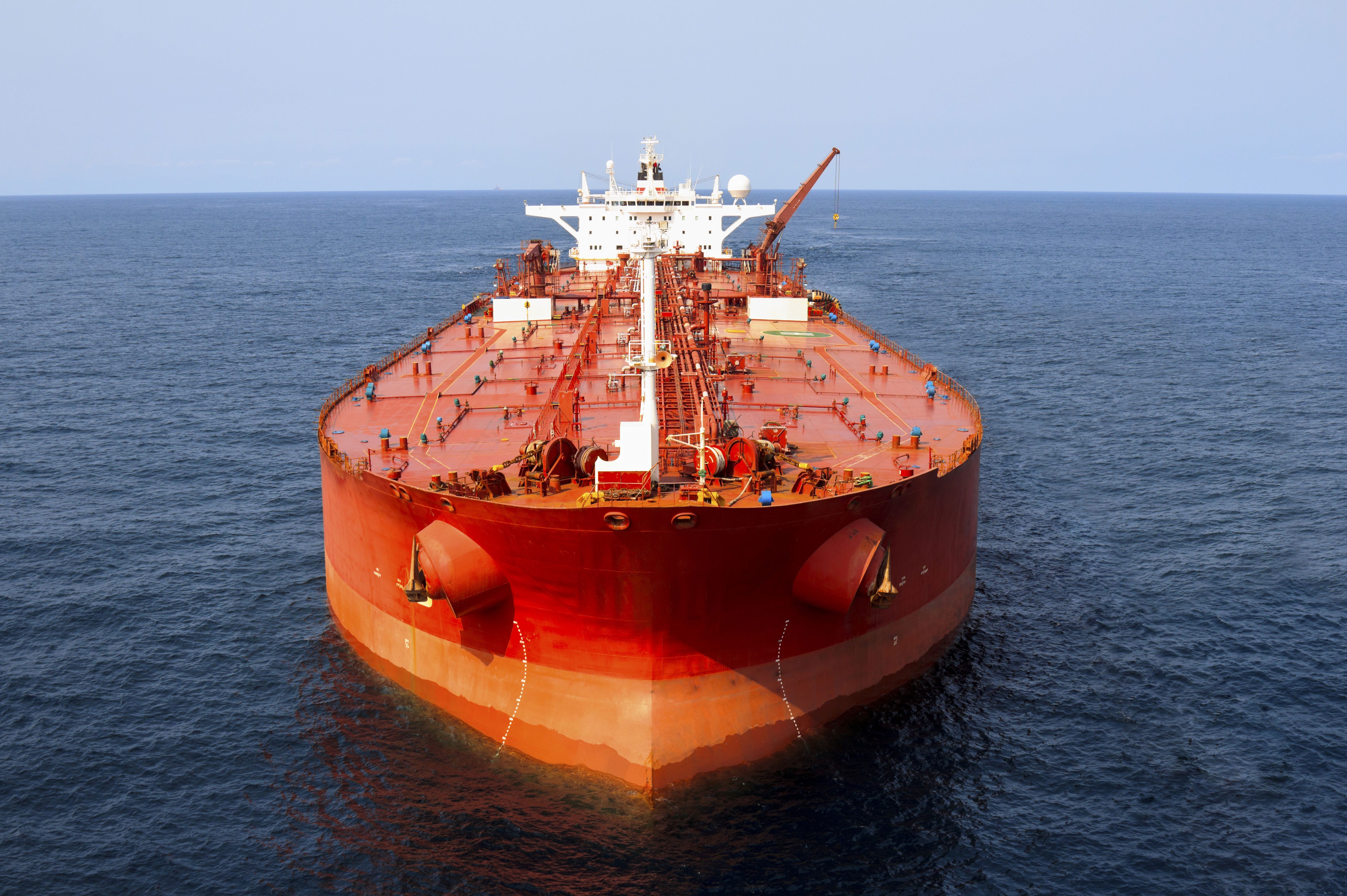
The architecture of Chinese-Iranian trade has been meticulously constructed to operate outside the dollar-system’s jurisdiction. By utilizing barter arrangements and non-dollar settlement, Chinese entities have effectively neutralized the threat of American extraterritorial authority. When Washington targets a specific firm, new shell companies emerge faster than regulators can identify them, creating a persistent cycle of evasion that Treasury officials struggle to contain.
Escalating this conflict by sanctioning major Chinese financial institutions remains a theoretical possibility but a practical nightmare. Such a move would amount to an economic declaration of war, risking systemic shocks during a period of high oil prices and approaching US midterm elections. Consequently, the Trump administration’s recent "Operation Economic Outcast" has avoided targeting large-scale Chinese institutions, leaving the enforcement mechanism largely toothless.
Beijing’s strategy is rooted in long-term regional influence. China sources roughly ten percent of its total oil imports from Iran, and it views the potential collapse of the current Iranian government as a strategic disaster that would restore American dominance in the Gulf. By maintaining a calibrated distance—refusing to provide military support while ensuring Iran remains economically functional—China is effectively sustaining a regional partner without assuming responsibility for Tehran’s actions. As Xi Jinping prepares for his upcoming visit to Washington, the message is clear: Beijing possesses the infrastructure to exist outside the American financial order, and it is proving to the world that US economic reach has a definitive ceiling.


Comments (0)
No comments yet. Be the first!