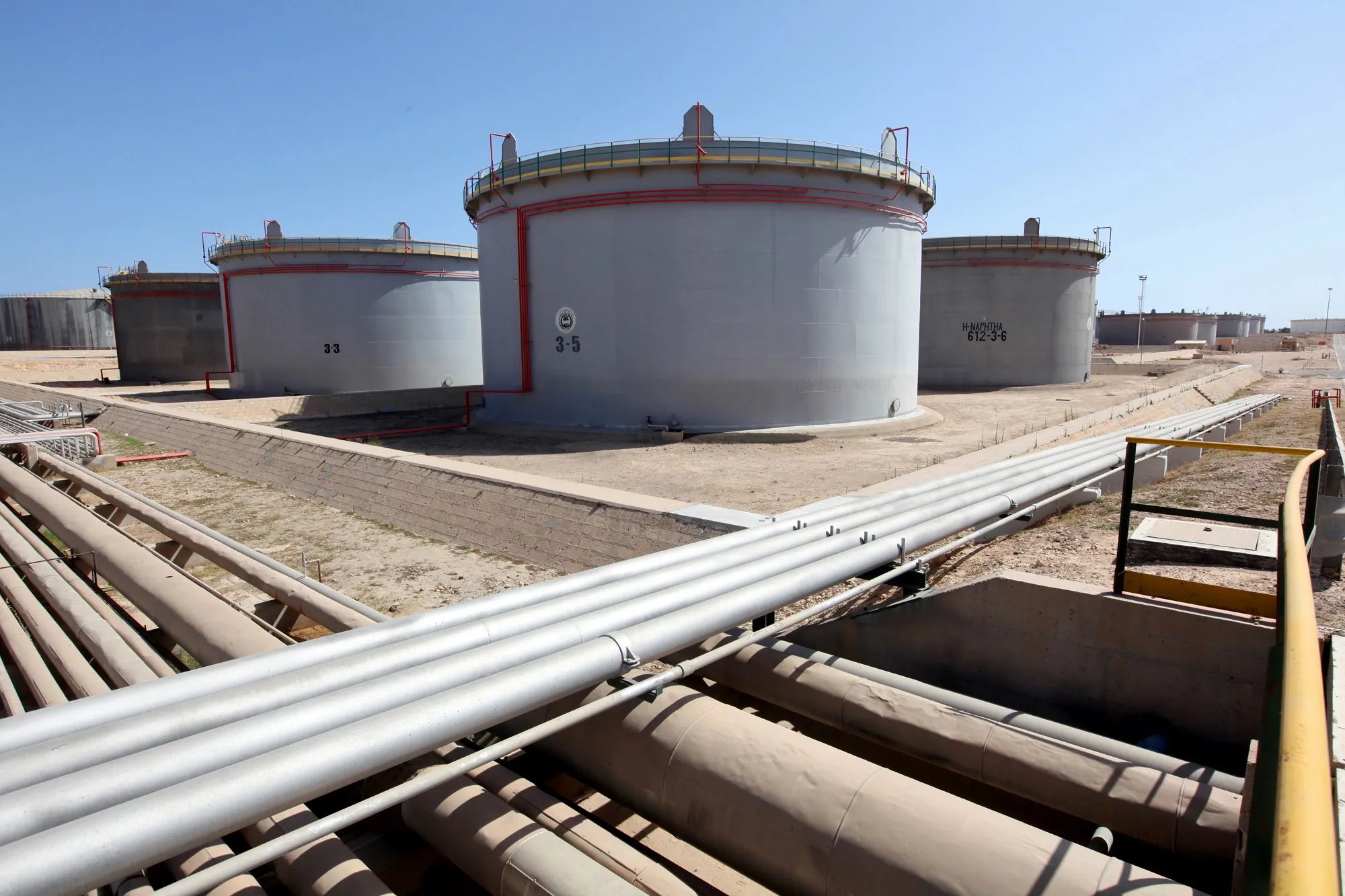
Libya’s long-standing reliance on hydrocarbons has concentrated economic risk within a narrow network of fields and pipelines. While oil remains the bedrock of state revenue, the path to stability now involves building productive capacity that survives beyond the next security disruption. The current push into cement and steel represents more than just construction; it is an attempt to foster an industrial ecosystem that generates jobs, domestic value, and regional export potential.
Strategic investments are already reshaping the landscape. The Libyan Cement Company in Benghazi, now under the ownership of businessman Ahmed Gadalla, anchors eastern production, while the ALHEDAB Cement Company in Nalut is driving a $600 million project designed to produce 12,000 tonnes daily. Notably, the Nalut venture plans to open 25 percent of its capital to public and foreign investors, signaling a departure from state-centric financing. These projects, alongside ventures like the SULB steel facility, aim to create a multiplier effect—demanding engineers, logistics, and maintenance services that oil extraction alone does not trigger.
However, industrial growth faces a fundamental hurdle: the gap between investment incentives and on-the-ground reality. While the government offers guarantees through the Public Investment Bank, long-term capital requires institutional predictability and physical security. The Zawiya attack serves as a stark reminder that factories, supply chains, and foreign partnerships cannot thrive in a vacuum of instability. For Libya’s diversification to succeed, regulatory reform and security must evolve in tandem with industrial output. The goal is no longer to replace oil, but to ensure that the nation’s economic future is defined by a broader, more resilient foundation.


Comments (0)
No comments yet. Be the first!