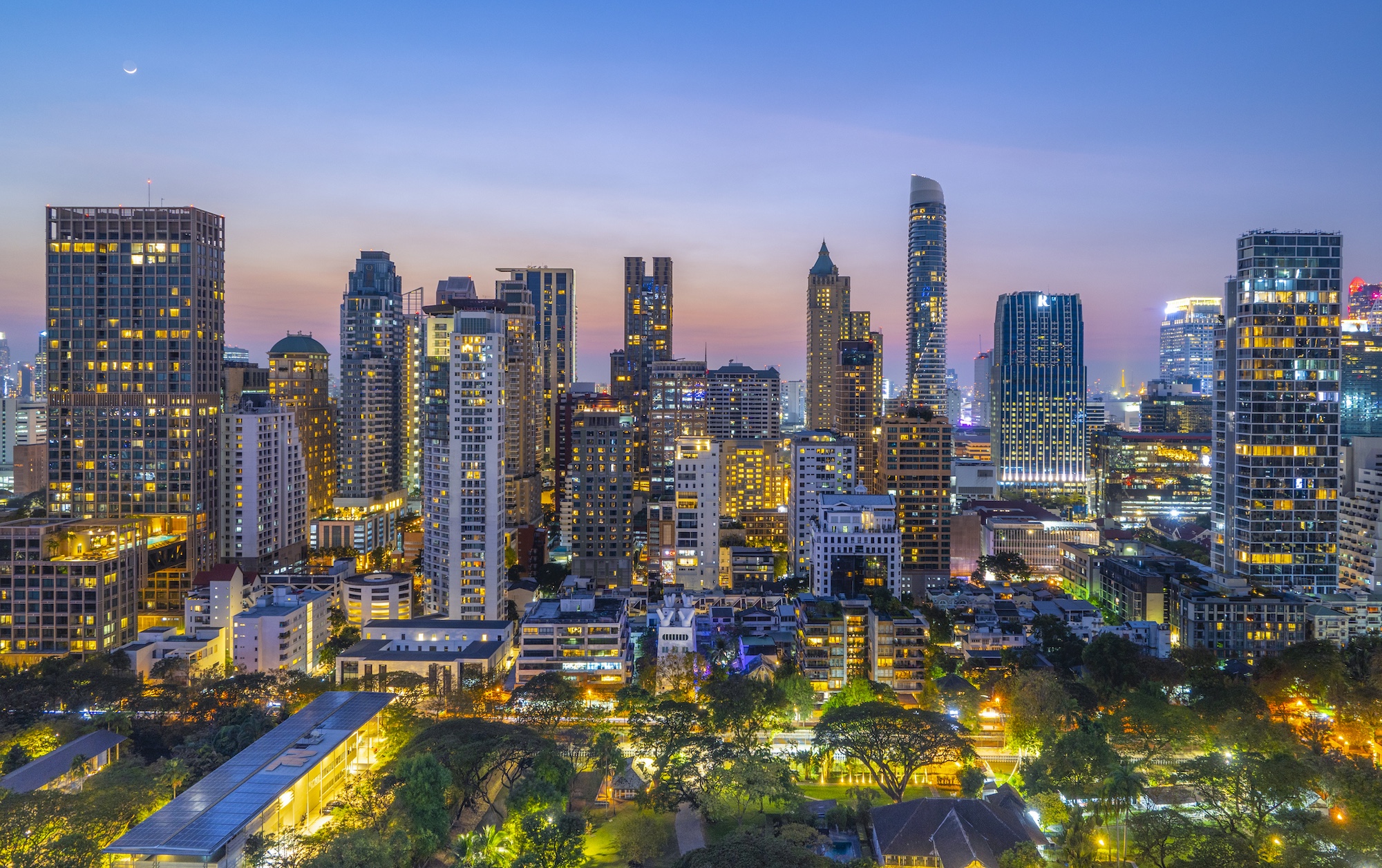
The report, Building Thailand's Future Today, identifies five sectors as engines for this transition: advanced manufacturing, digital services, agrifood, creative industries, and sustainable wellness tourism. By integrating new technologies into these established fields, the country aims to boost domestic value and move beyond its traditional production models. Success hinges on creating a competitive landscape where startups and small businesses can access finance and integrate into global supply chains.
Stephen N. Ndegwa, World Bank Division Director for Thailand and Myanmar, emphasized that the nation possesses the institutional capacity to replicate its past transformative growth. However, this requires a concerted effort to foster stronger secondary cities, preventing economic gains from being confined solely to Bangkok. Developing these urban hubs is critical for attracting investment and distributing prosperity across regions.
Future workforce competitiveness depends on prioritizing vocational training, AI, and STEM education. As the economy shifts toward knowledge-based output, lifelong learning will be essential to ensure social mobility for all demographics. With the IMF–World Bank Group Annual Meetings approaching in October, Thailand faces a narrow window to translate these development goals into tangible legislative and investment reforms.


Comments (0)
No comments yet. Be the first!