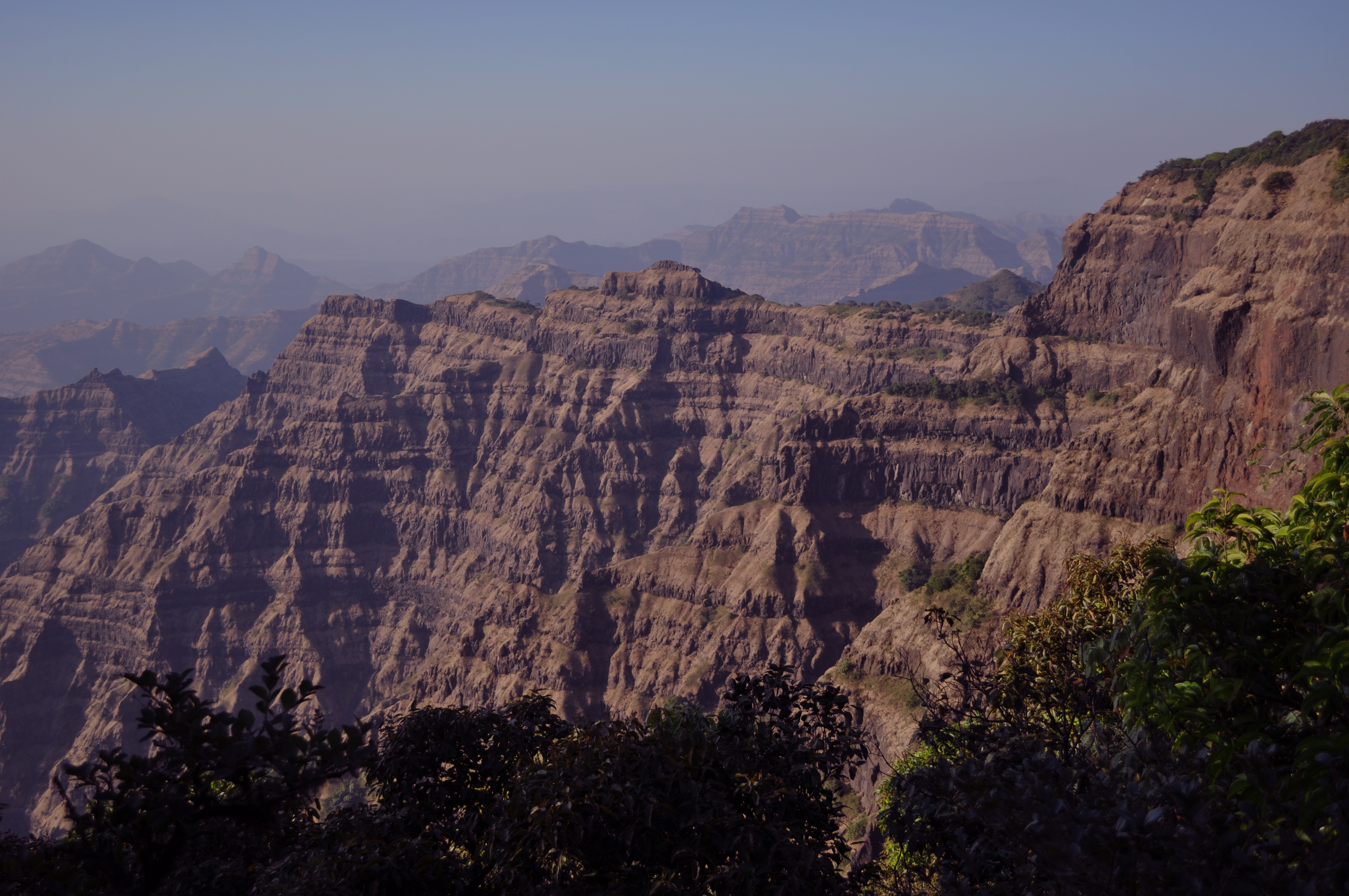
The Chicxulub impact, which struck the Yucatan Peninsula with the force of billions of atomic bombs, wiped out over 75% of Earth's species. Yet, on the opposite side of the planet, western India was undergoing a simultaneous transformation. The Deccan Traps, covering 500,000 square kilometres of Maharashtra, consist of layered flood basalts reaching depths of over 2,000 metres. These formations serve as a physical record of one of history’s most violent volcanic episodes.
Researchers, including a team led by UC Berkeley’s Mark Richards, have investigated whether the asteroid’s seismic energy could have accelerated these eruptions. While the hypothesis that the impact triggered global volcanism remains contested, it is clear that the Deccan activity predated the asteroid strike. For residents and visitors in Mumbai, this history is visible in the basalt exposed at Sanjay Gandhi National Park and the historic carvings within the Elephanta Caves. Whether the mass extinction resulted from a singular cosmic blow or a compounding volcanic catastrophe, the dark rock of Mumbai remains a vital, tangible piece of that ancient, apocalyptic puzzle.



Comments (0)
No comments yet. Be the first!