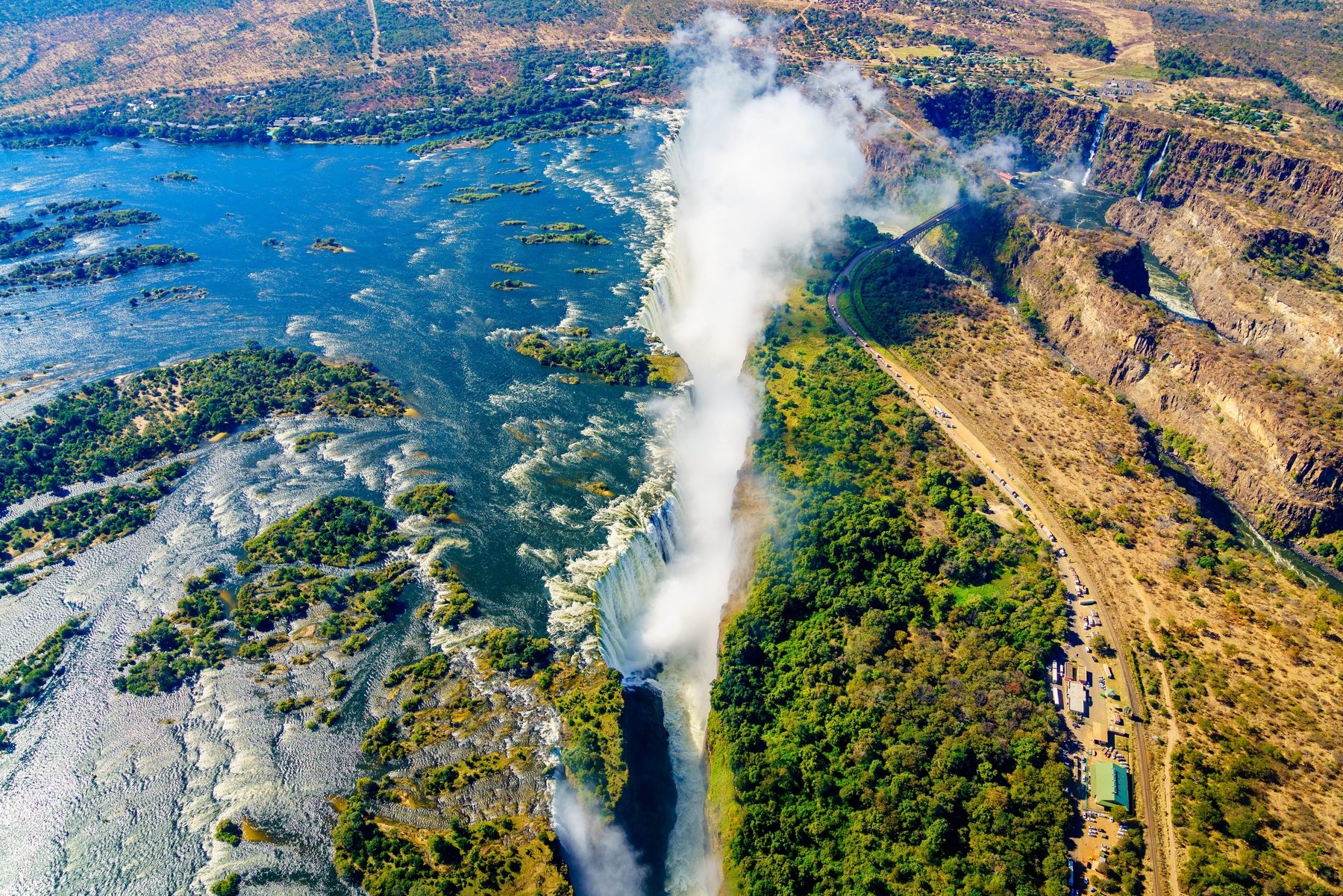
The basin, which spans eight nations across 1.37 million square kilometres, currently suffers from disconnected management and chronic underfunding. Laouali Garba of the African Development Bank noted that projects blending food production, ecotourism, and ecosystem recovery attract more private capital than isolated environmental efforts. Models like PIDACC Zambezi demonstrate how combining public grants with climate finance can de-risk initiatives for private investors, turning ecological restoration into a self-sustaining economic driver.
Success depends on breaking down silos between government ministries—water, energy, agriculture, and finance—that often compete for the same limited resources. Experts like Laurent Frapaise of the World Bank advocate for viewing the basin as a single development system. This approach is reflected in new projects funded by the Global Environment Facility, which emphasize integrated water-energy-food planning aligned with the Southern African Great Green Wall Initiative.
Crucially, local communities, particularly women, must transition from passive beneficiaries to active architects of these programs. Prof. Hesphina Rukato emphasized that gender-responsive investment is not merely an ethical choice but a practical necessity. Unless women gain direct control over land, equipment, and decision-making, restoration efforts will likely fail to reach those most impacted by climate shocks. By shifting from small-scale environmental activities to a basin-wide investment framework, regional leaders aim to protect the river while securing livelihoods for millions.


Comments (0)
No comments yet. Be the first!