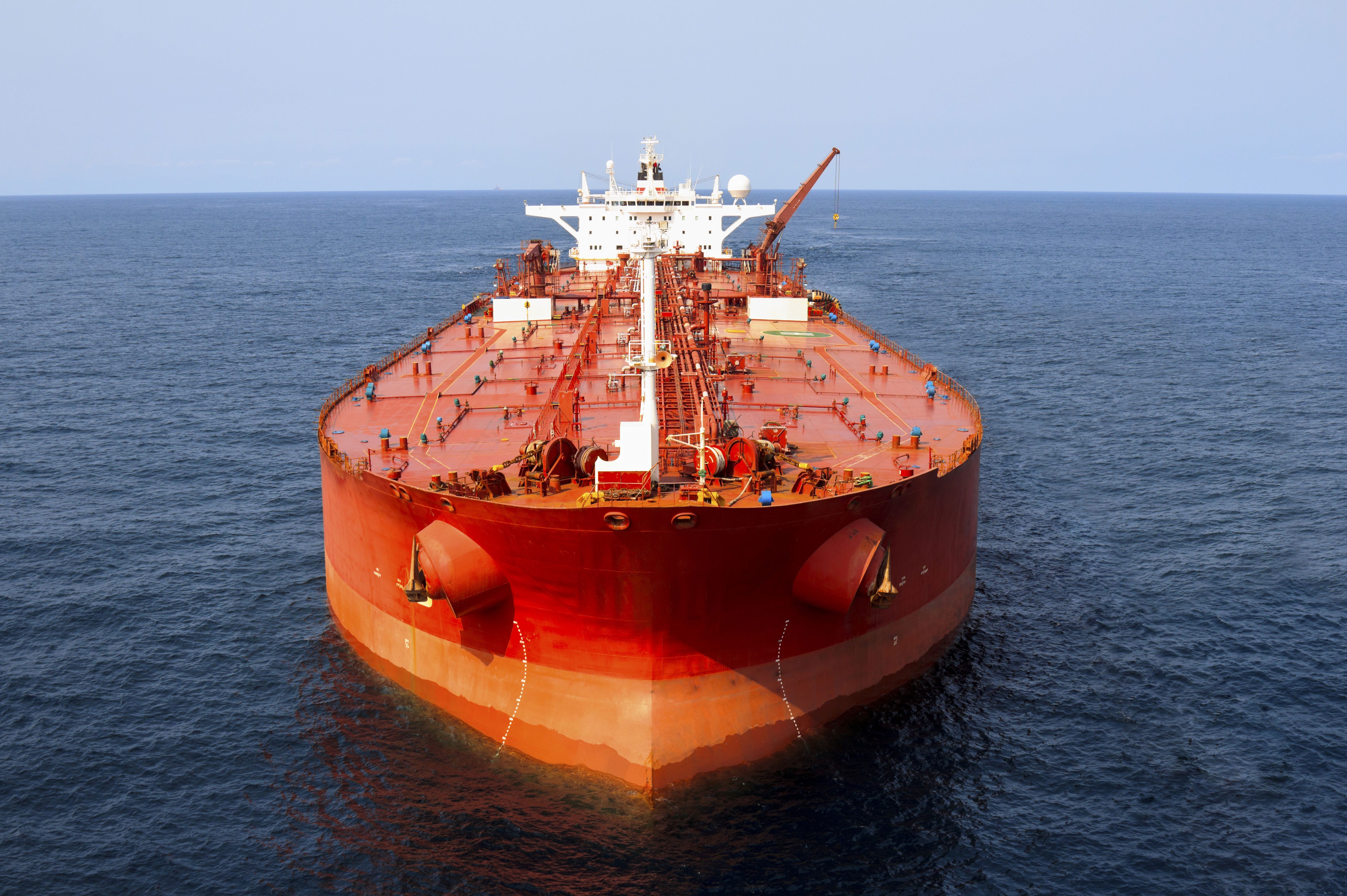
Japan provides a stark example of this transition, as its reliance on Middle Eastern oil drops. Between March and June 2026, Japanese imports of US crude soared to over 4.5 million metric tons, a significant jump from less than 1 million tons during the same period in 2025. This shift forces tankers to endure voyages roughly nine days longer than those originating in the Gulf, driving up freight expenses and demanding more complex refinery scheduling.
Other major buyers are following suit. China has leaned on its strategic reserves to weather the volatility, but as these buffers deplete, competition for non-Middle Eastern barrels is expected to intensify. Consequently, exporters in the Americas are seeing record demand. US crude exports hit 61.6 million metric tons in the second quarter of 2026, a 43% increase year-over-year. Similarly, Brazilian shipments to India tripled during the first half of 2026 compared to the previous year.
The logistical burden of this pivot is substantial. A tanker voyage from Brazil to India can take up to 25 days, compared to the three-to-five-day transit from Gulf terminals. However, the move is less about efficiency and more about avoiding strategic chokepoints like the Suez and Panama Canals. By diversifying their supply chains, Asian refiners are treating higher freight rates as an insurance policy against future disruptions. While Middle Eastern producers remain central to the global market due to their massive reserves, the current trend suggests that energy security has permanently eclipsed pure cost-optimization in global trade strategy.



Comments (0)
No comments yet. Be the first!