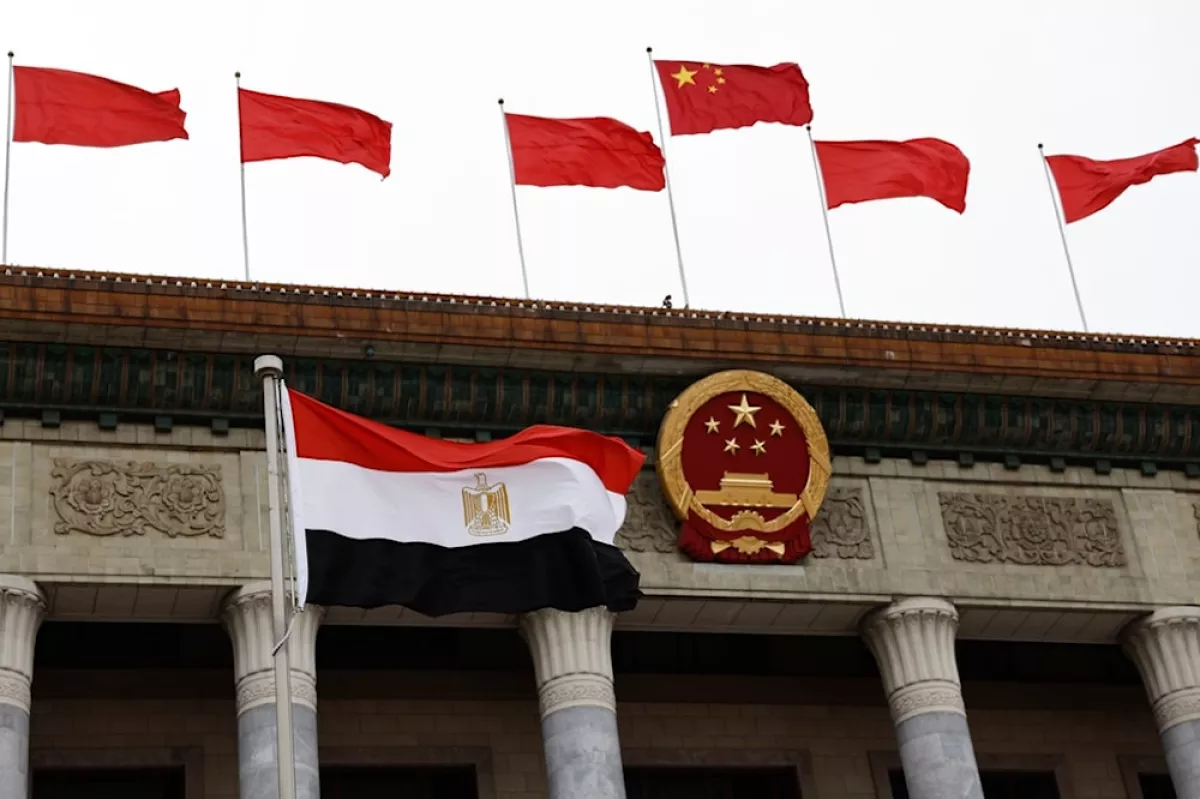
The upcoming visit, coinciding with the Shanghai Cooperation Organisation summit in Bishkek, underscores Egypt’s evolving role as a dialogue partner within the bloc. Beijing views this relationship as a critical link connecting the Middle East, Africa, and Asia. Central to this strategy is the convergence of the International North-South Transport Corridor with the Suez Canal, a move designed to secure supply chains against geopolitical volatility in regions like the Strait of Hormuz.
Strategic Logistics and Economic Integration
Beyond simple trade, the partnership focuses on deep industrial integration. China is actively investing in Egyptian port facilities across the Red Sea and Mediterranean, alongside the development of specialized industrial zones. These projects are designed to harmonize with Egypt’s Vision 2030, facilitating local manufacturing and technology transfers in renewable energy and logistics. By diversifying routes—incorporating land-based Eurasian corridors and the Suez axis—Beijing aims to reduce dependence on vulnerable maritime chokepoints.
This cooperation serves as a cornerstone for South-South development, offering an alternative to Western-led financial institutions. Both Cairo and Beijing are leveraging their combined influence to advocate for structural reforms in global governance, emphasizing a multipolar order. By aligning on international issues, including the One China principle, Egypt and China are positioning themselves as leaders of a bloc aimed at countering unilateral hegemony and promoting development models free from traditional political conditionality.



Comments (0)
No comments yet. Be the first!