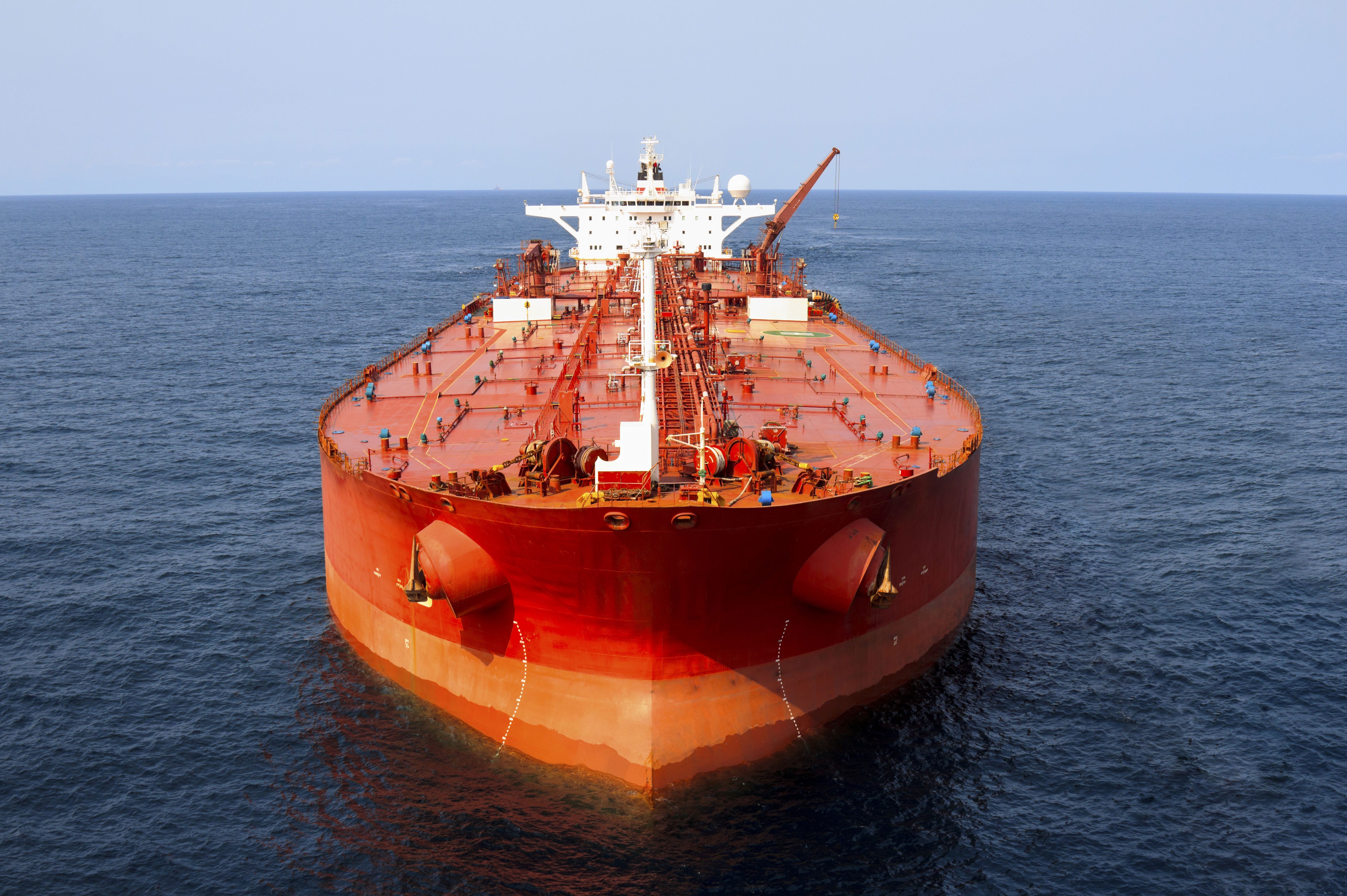
Tehran’s most potent leverage lies in its ability to disrupt energy transit and infrastructure. By targeting Gulf state facilities—including power plants and desalination units—or further restricting traffic through the Strait of Hormuz, Iran could drive global oil prices sharply higher. Such moves would impose immediate economic pain on Western allies, though they risk drawing regional partners deeper into the hostilities.
Beyond direct infrastructure strikes, Iran may leverage its network of regional proxies to intensify pressure on maritime routes. Continued threats to shipping in the Red Sea and near the Bab el Mandeb strait already force vessels into longer, costlier transit paths. These disruptions serve to increase global insurance and transportation premiums, creating inflationary pressure that reaches far beyond the Middle East.
To avoid a direct confrontation with superior American military forces, Tehran appears increasingly inclined toward covert operations. Intelligence reports suggest a history of cyber-attacks on critical infrastructure and the use of regional proxies for unconventional operations abroad, tactics that allow for retaliation while maintaining a degree of plausible deniability. The central challenge for Iranian leadership remains calibrating these responses to ensure the United States suffers strategic consequences without providing the justification for a broader, uncontrollable military campaign.



Comments (0)
No comments yet. Be the first!