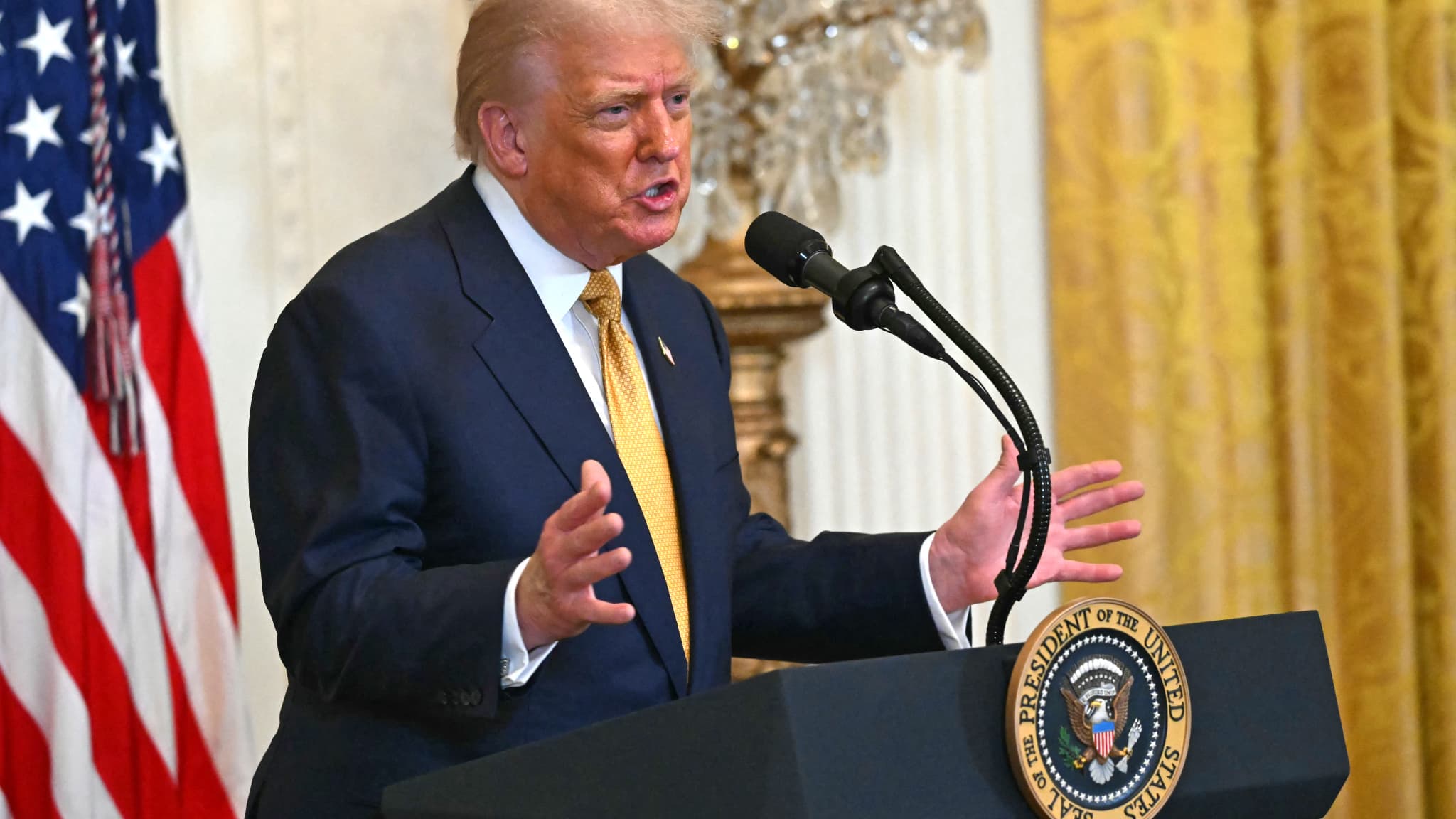
The agreement centers on a partnership with the firm controlled by Venezuelan businessman Alejandro Betancourt. NABEP currently handles 170,000 barrels per day, with ambitions to scale output beyond 1 million barrels daily. While the Trump administration frames this as a stabilization strategy to secure Western Hemisphere energy supplies, the arrangement creates a bifurcated market. Under this structure, NABEP would operate under distinct commercial terms, potentially leaving global players like Chevron at a competitive disadvantage.
Energy sector recovery in Venezuela demands more than just drilling rights; it requires tens of billions of dollars to modernize crumbling pipelines, refineries, and electricity grids. Industry analysts emphasize that long-term investment relies on predictable, transparent regulatory frameworks. By prioritizing political alignment over open-market competitiveness, the deal threatens to introduce legal and operational uncertainty. If investors perceive that access to Venezuelan reserves depends on proximity to Washington or Caracas rather than commercial merit, the country may struggle to attract the diverse expertise needed to restore production to its historical potential of over 3 million barrels per day.



Comments (0)
No comments yet. Be the first!