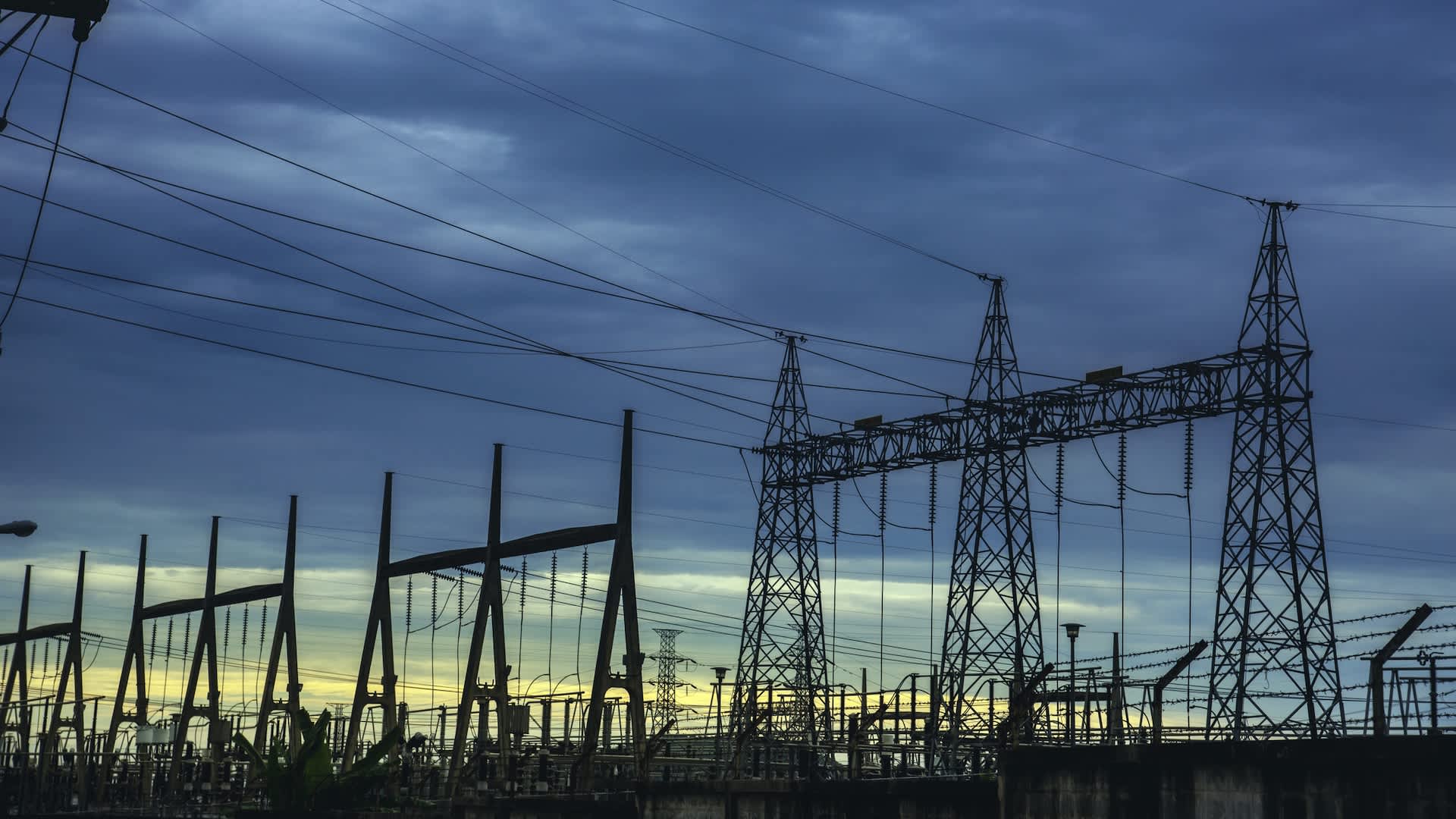
Modern electricity markets operate on marginal pricing, meaning the cost of the last unit dispatched—usually natural gas—sets the clearing price for the entire grid. This remains true even when solar or wind production is high. Because Europe and the U.S. expanded renewable capacity without a corresponding increase in long-duration storage, the system has no buffer. Europe’s gas storage, for example, covers only two to three months of winter demand, leaving grids exposed to volatility.
This structural imbalance is compounded by a misunderstanding of grid inertia. Traditional sources like nuclear and gas turbines provide the rotating mass necessary to keep frequency stable at 50 or 60 hertz. As these are retired, grids lose their physical stability, forcing reliance on expensive, complex workarounds. Meanwhile, the surge in energy-hungry data centers—now consuming up to 10% of electricity in some regions—is colliding with these limits, forcing a sudden, belated return to prioritizing pumped hydro and baseload capacity.
Geopolitical leverage has shifted toward nations that control these physical assets rather than those who merely lead in renewable installations. Initiatives like the India-Middle East-Europe Corridor are driven by political geography, yet they cannot bypass the technical reality that energy sovereignty is defined by pipelines, storage, and firm generation. Without a shift toward energy literacy that prioritizes these physical requirements, nations will continue to find their strategic autonomy eroded by the very volatility their policies were intended to solve.



Comments (0)
No comments yet. Be the first!