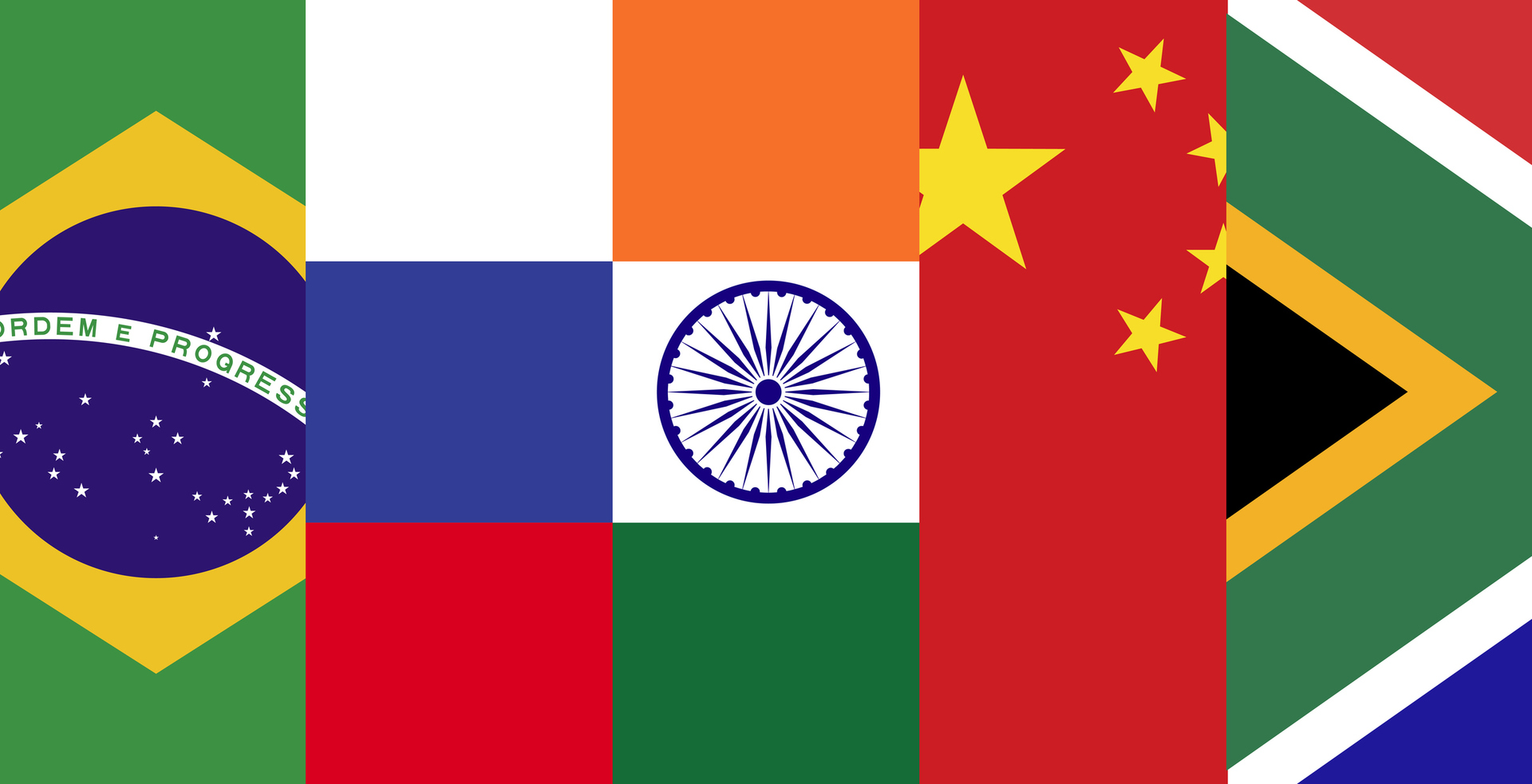
The drive to move away from the dollar is largely a symptom of sanctions pressure rather than a unified economic strategy. Russia and Iran have aggressively shifted to ruble and yuan settlements, but this is a forced reaction to being cut off from SWIFT, not a blueprint adopted by the entire bloc. India, which hosts this week’s meetings, has explicitly distanced itself from any policy aimed at replacing the dollar, and Brazil has abandoned its own common-currency proposals. The actual reserve data from the IMF tells a consistent story: the dollar’s share of global foreign-exchange reserves remains stable in the high 50% range, while the renminbi’s share remains marginal.
Infrastructure development like China’s CIPS or the mBridge platform represents genuine technical progress, yet these systems largely serve sanctioned or risk-averse states. The flagship projects often cited as evidence of a new order—BRICS Pay and the gold-backed "Unit"—remain in pilot stages with no clear launch trajectories. The summit will likely yield more "agreements in principle" rather than structural shifts. A systemic change would only emerge if secondary sanctions or aggressive tariffs force non-sanctioned members into the same corner as Moscow. For now, the global financial system is seeing a slow, unglamorous evolution of payment plumbing, not the dramatic currency heist the political theater suggests.


Comments (0)
No comments yet. Be the first!