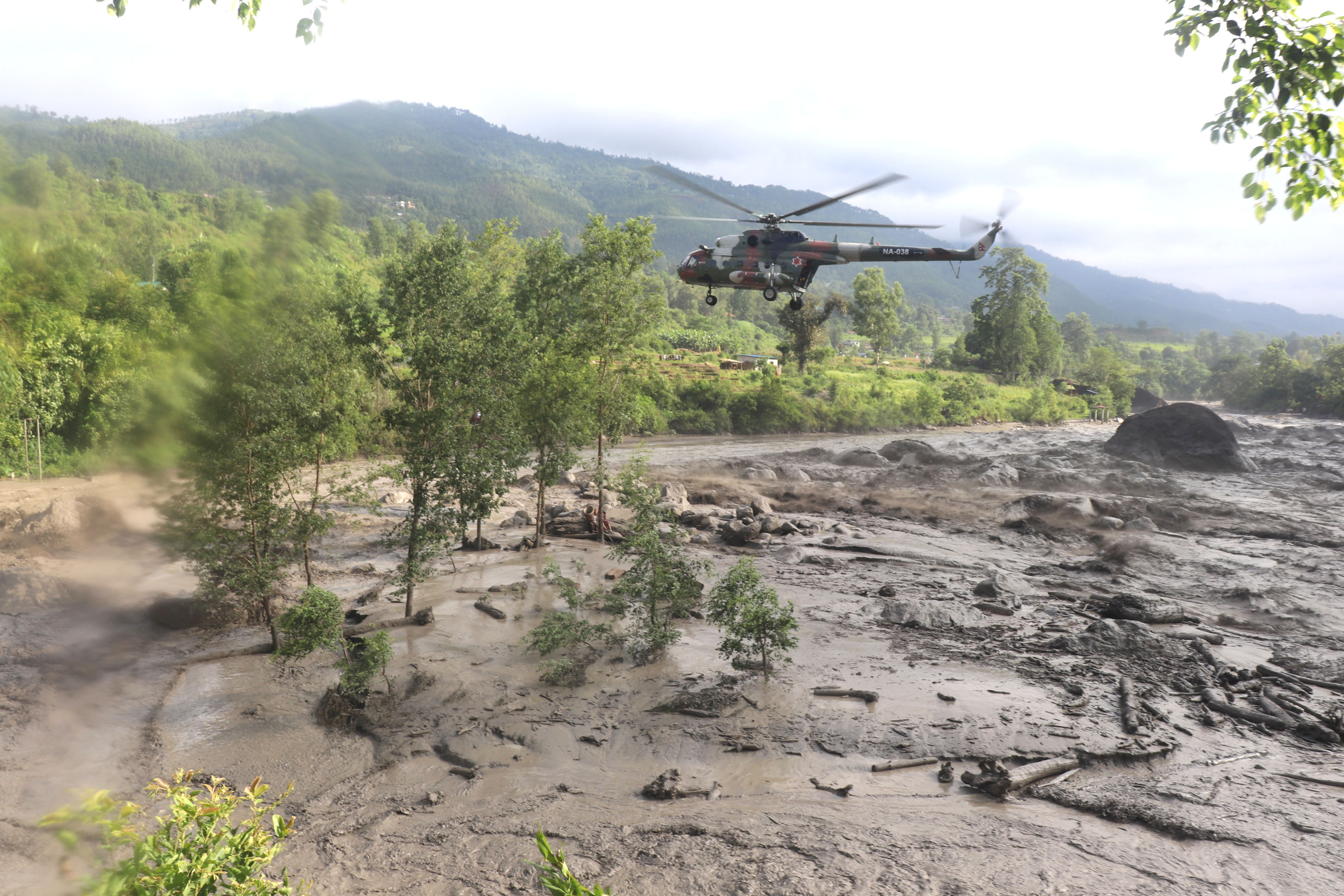
Rescue operations are currently concentrated on these hydropower sites, where authorities report 639 individuals remain trapped. Army units are utilizing rock breakers and heavy excavators to clear tunnel entrances, though structural instability makes access treacherous. Beyond the human toll, the destruction of bridges, roads, and power grids has isolated entire districts, forcing a reliance on helicopters and makeshift river crossings to deliver emergency aid.
International support has surged as Nepal welcomes specialized technical assistance from China, India, and South Korea. These teams are focused on bridge reconstruction and tunnel extraction, while China has provided advanced DNA testing equipment and drones to assist in the recovery. Prime Minister Balendra Shah has publicly linked the calamity to shifting climatic patterns, pointing to accelerated glacier melt as the primary driver of the instability. This event has exposed the fragility of Nepal’s energy strategy, which relies heavily on infrastructure built within the volatile, steep terrain of the Hindu Kush Himalayas. As the search for survivors continues, the crisis serves as a stark warning regarding the intersection of regional energy security and the escalating threats posed by climate-driven geological hazards.



Comments (0)
No comments yet. Be the first!