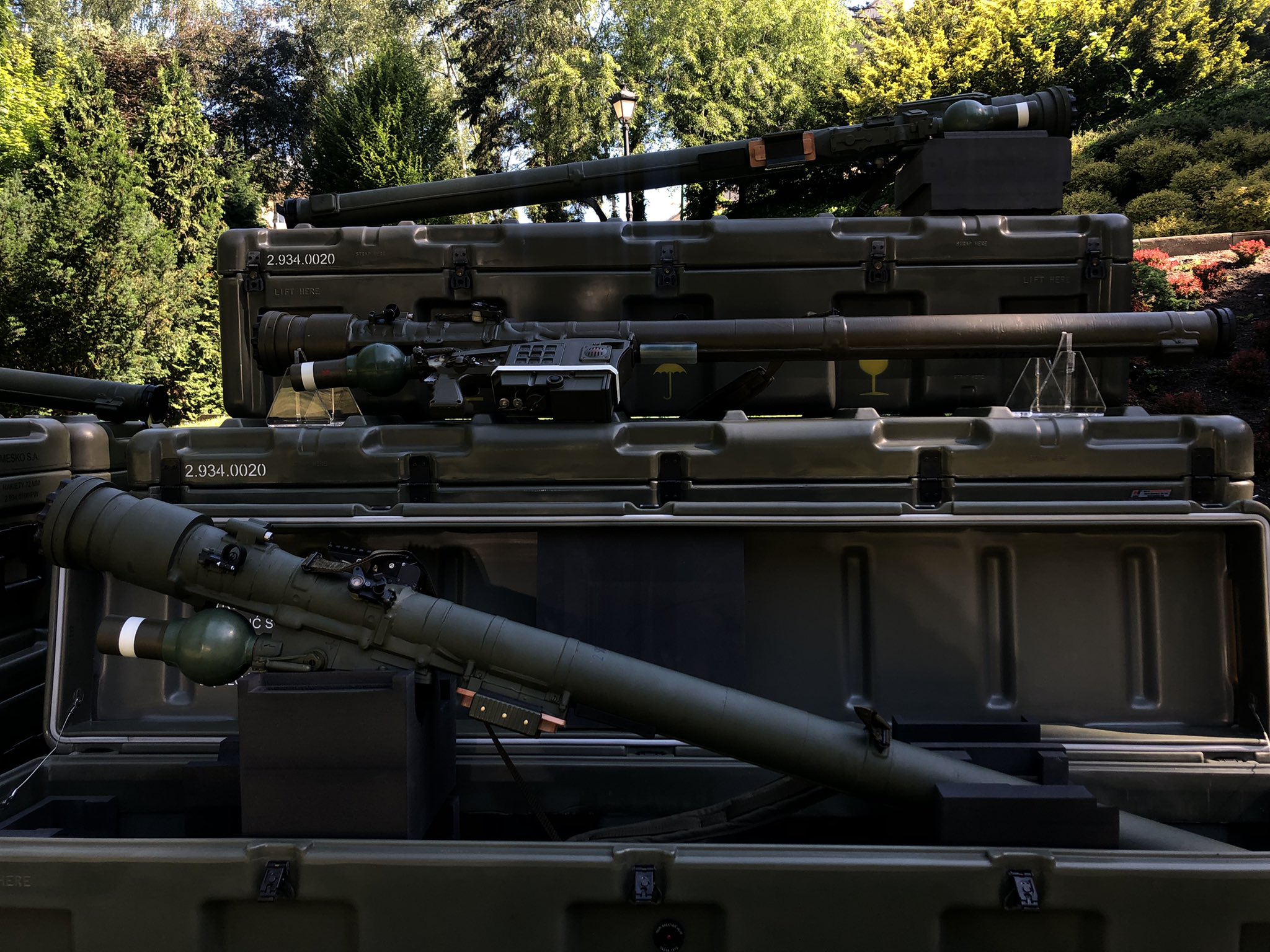
Last year, Polish procurement from domestic and regional firms surged to 30.4 billion zlotys, nearly quadrupling the 2022 figure. This trajectory aligns with a record-breaking defense budget of approximately 53 billion euros, or 4.7% of GDP. Deputy State Assets Minister Konrad Golota emphasized that building a massive land force requires a robust industrial backbone capable of sustaining operations without relying solely on external logistics.
While Poland maintains its reliance on advanced American platforms like F-35 jets and Patriot batteries, the focus has shifted to the rapid replenishment of consumables. Defense Minister Wladyslaw Kosiniak-Kamysz identified supply chain independence as the critical factor for maintaining frontline readiness. This policy is actively drawing in regional partners: Czech firm CSG has moved to secure manufacturing footprints in Poland, including technology transfers for artillery propellant and missile components.
This trend, described by analysts as "near-shoring," is further bolstered by partnerships with companies like KNDS Ammo France and Estonia’s Frankenburg Technologies. Germany’s Rheinmetall is similarly expanding its footprint, establishing regional hubs for the maintenance of land combat systems. With the armed forces now exceeding 220,000 personnel and a long-term goal of 5% GDP spending by 2035, Warsaw is positioning itself as the epicenter of a new Central European defense industrial network. The strategy seeks to harmonize NATO interoperability with the necessity of local production, ensuring that critical technological expertise remains within Poland’s borders.


Comments (0)
No comments yet. Be the first!