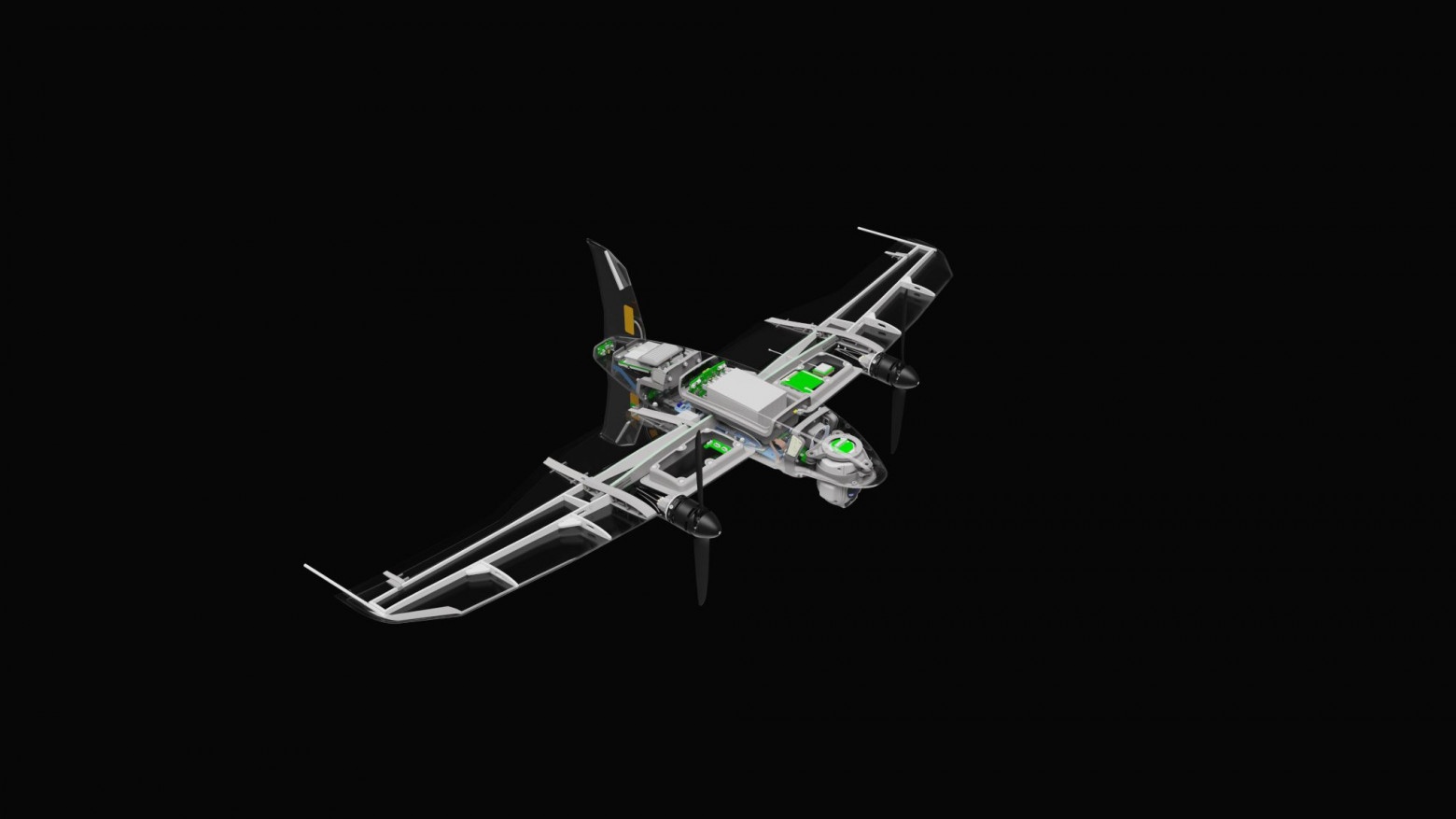
Quantum Systems co-CEO Sven Kruck credits early U.S. connections for unlocking doors that remained closed within Germany. By securing reconnaissance contracts with the CIA and FBI, the firm gained the necessary credibility to scale into an $8 billion defense player. While these initial contracts generated modest revenue, they provided the strategic leverage required to penetrate the American defense ecosystem, effectively tethering the German company to U.S. government oversight and export regulations.
This dynamic is drawing scrutiny from European lawmakers, including Marie-Agnes Strack-Zimmermann, chair of the European Parliament’s security and defence committee. Critics argue that In-Q-Tel functions as more than a conventional investor, potentially embedding U.S. intelligence interests within the continent's nascent technology sector. Because Washington mandates that foreign suppliers establish local production and staff, firms like Quantum Systems are increasingly integrated into the U.S. industrial base.
The situation exposes a central contradiction in European defense policy. While governments strive to reduce dependence on Washington, the absence of a regional equivalent to In-Q-Tel leaves promising startups with little choice but to seek American funding. As long as Europe lacks independent mechanisms to finance and procure high-tech defense gear, its most vital military capabilities remain tied to U.S. capital, technology, and geopolitical priorities.



Comments (0)
No comments yet. Be the first!