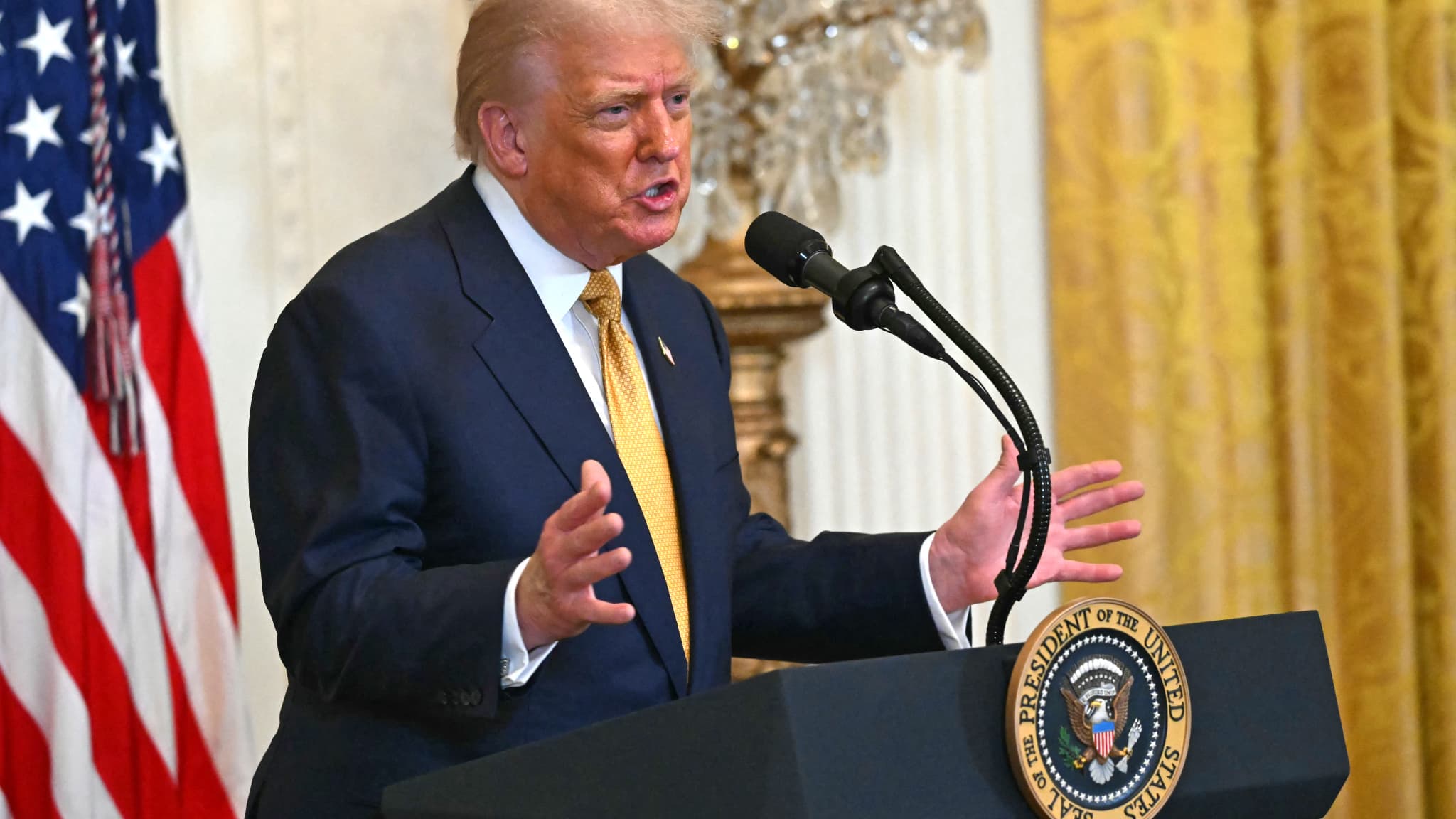
The rollout of Operation Economic Outcast, led by Scott Bessent, aims to choke Iran’s access to global markets by blacklisting nearly 60 entities, including gold, technology, and aviation firms. The marquee target is Bank Melli, Iran’s largest state bank. However, the absence of Chinese banks from the list reveals the limits of this economic warfare. When pressed on why Beijing’s financial sector remains untouched, Bessent offered a pragmatic admission: targeting Chinese banks would risk upending the global financial system. This caution is inextricably linked to the upcoming summit between Trump and Xi Jinping scheduled for late September, as well as the looming U.S. midterm elections.
Beijing continues to absorb roughly 90 percent of Iran’s oil exports, largely through independent refineries in Shandong. This trade has kept the Iranian regime afloat despite a naval blockade and the death of Supreme Leader Ali Khamenei earlier this year. While the Iranian rial has hit record lows, the regime has successfully navigated the pressure by relying on this consistent revenue stream. Experts suggest the White House is betting that a public show of force through sanctions on shipping brokers will suffice to satisfy domestic political optics without jeopardizing the delicate diplomatic window before the presidential meeting. By avoiding the “high-hanging fruit” of Chinese banking, Washington maintains its aggressive rhetoric while ensuring the core energy trade between Tehran and Beijing remains effectively insulated from the reach of American law.

Comments (0)
No comments yet. Be the first!