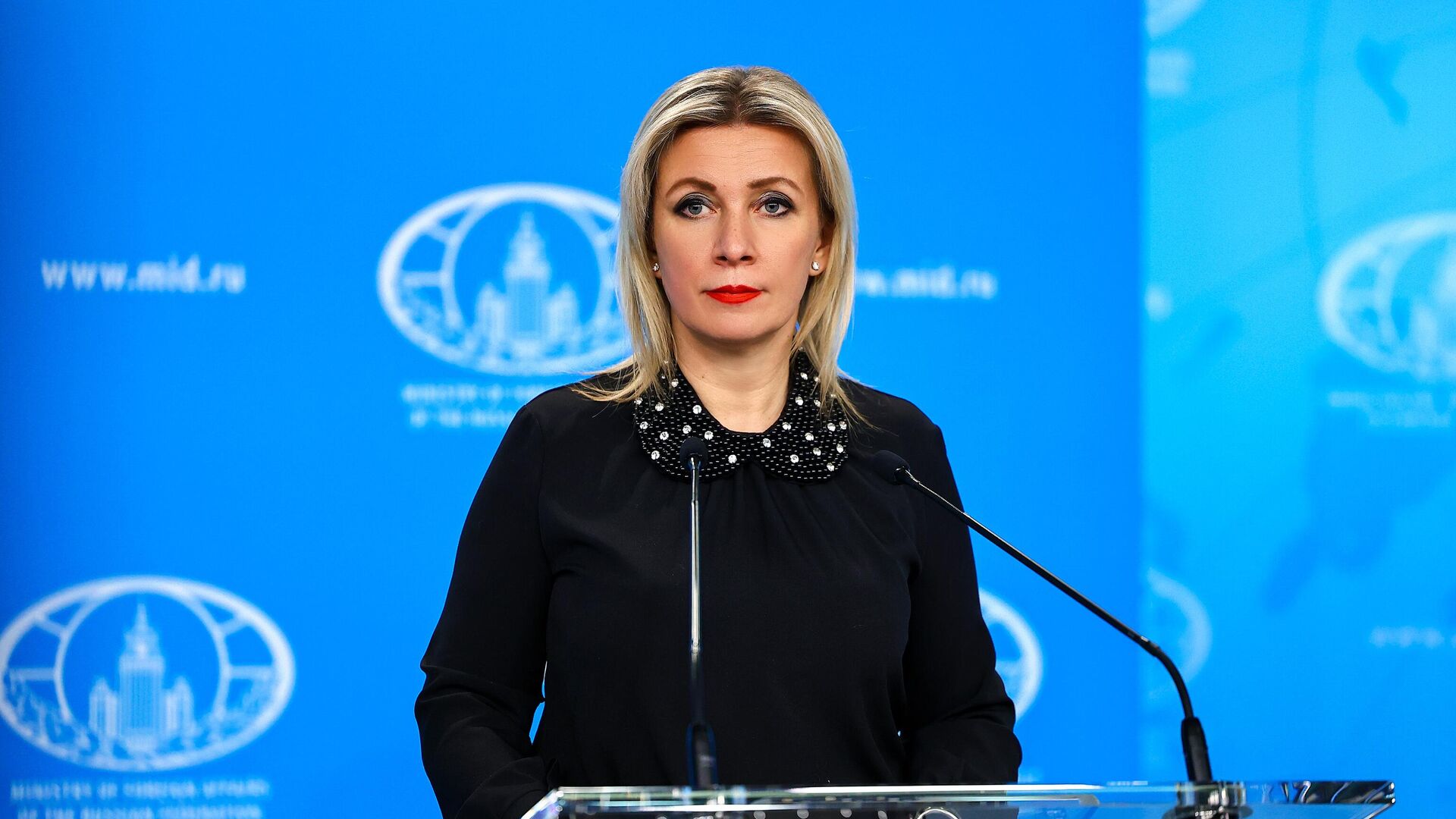
Russian Foreign Ministry spokesperson Maria Zakharova confirmed that the upcoming summit will prioritize a substantial package of commercial contracts, focusing on nuclear energy, food security, and digital infrastructure. Officials argue that these sectors, alongside the development of independent payment systems, represent the untapped potential of the partnership. Yet, the gap between signed memorandums and realized projects remains a point of contention. While Russia reported bilateral trade at $27 billion as of June 2026, this figure pales in comparison to the hundreds of billions generated by other global players.
Foreign Minister Sergey Lavrov has signaled a need to recalibrate, even suggesting that Moscow should study the methodical investment strategies employed by Beijing. Historically, Russia’s presence has been hampered by a lack of consistent financial instruments and a reliance on nostalgia for Soviet-era projects that largely vanished following the collapse of the USSR. Experts, including former South African Ambassador Gerrit Olivier, suggest that unless Moscow moves beyond geopolitical posturing and addresses its bureaucratic hurdles, it risks remaining at the periphery of the continent’s rapidly expanding markets. With the African Continental Free Trade Area now linking over 1.4 billion people, the demand for high-quality investment is no longer a diplomatic preference, but an economic necessity for any state hoping to secure a long-term foothold in the region.

Comments (0)
No comments yet. Be the first!