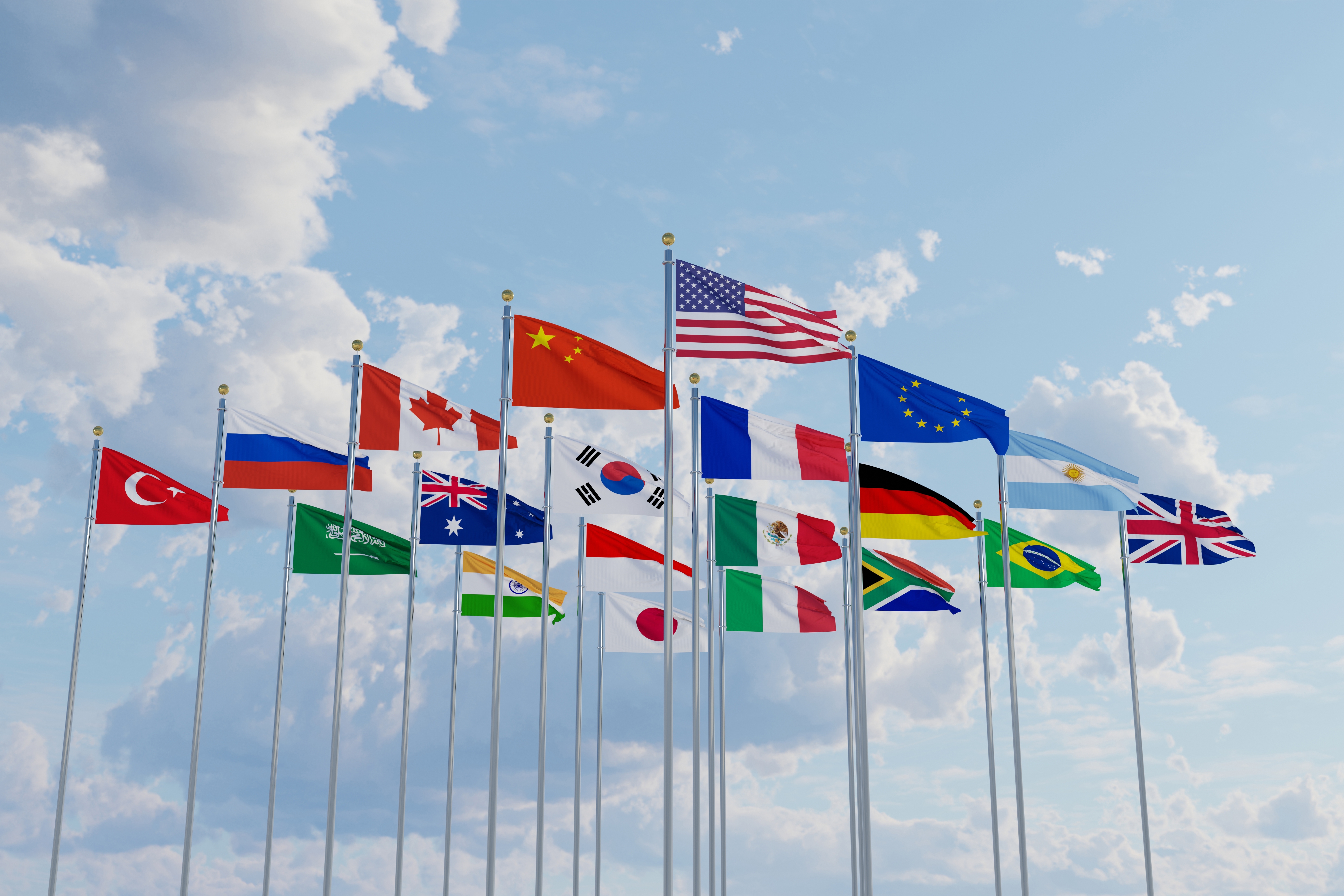
Washington contends that narrowing the G20 agenda to deregulation, energy, and technology rescues the forum from bloated, ineffective expansion. However, this shift effectively sidelines climate, inequality, and development—issues that moved to the forefront during South Africa’s 2025 presidency. By excluding South Africa from the upcoming summit and elevating Poland as a preferred guest, the US is setting a precedent where a host can manipulate participation based on political alignment rather than institutional necessity.
This trend toward national ownership extends to the summit's substance. While the White House frames its focus as a return to core economic principles, it simultaneously uses the platform to project its own regulatory philosophy, particularly in AI, through sessions featuring industry leaders like Sam Altman and Jensen Huang. The danger lies in the institutional precedent: if a host can marginalize members and dictate the agenda to serve national interests, the G20 risks losing its multilateral character. The success of the Miami summit will not be measured by the optics of a potential Trump-Xi meeting, but by whether the remaining nineteen delegations can secure a meaningful voice in the final declaration, or if they are reduced to mere spectators in a forum increasingly defined by a bilateral center of gravity.



Comments (0)
No comments yet. Be the first!