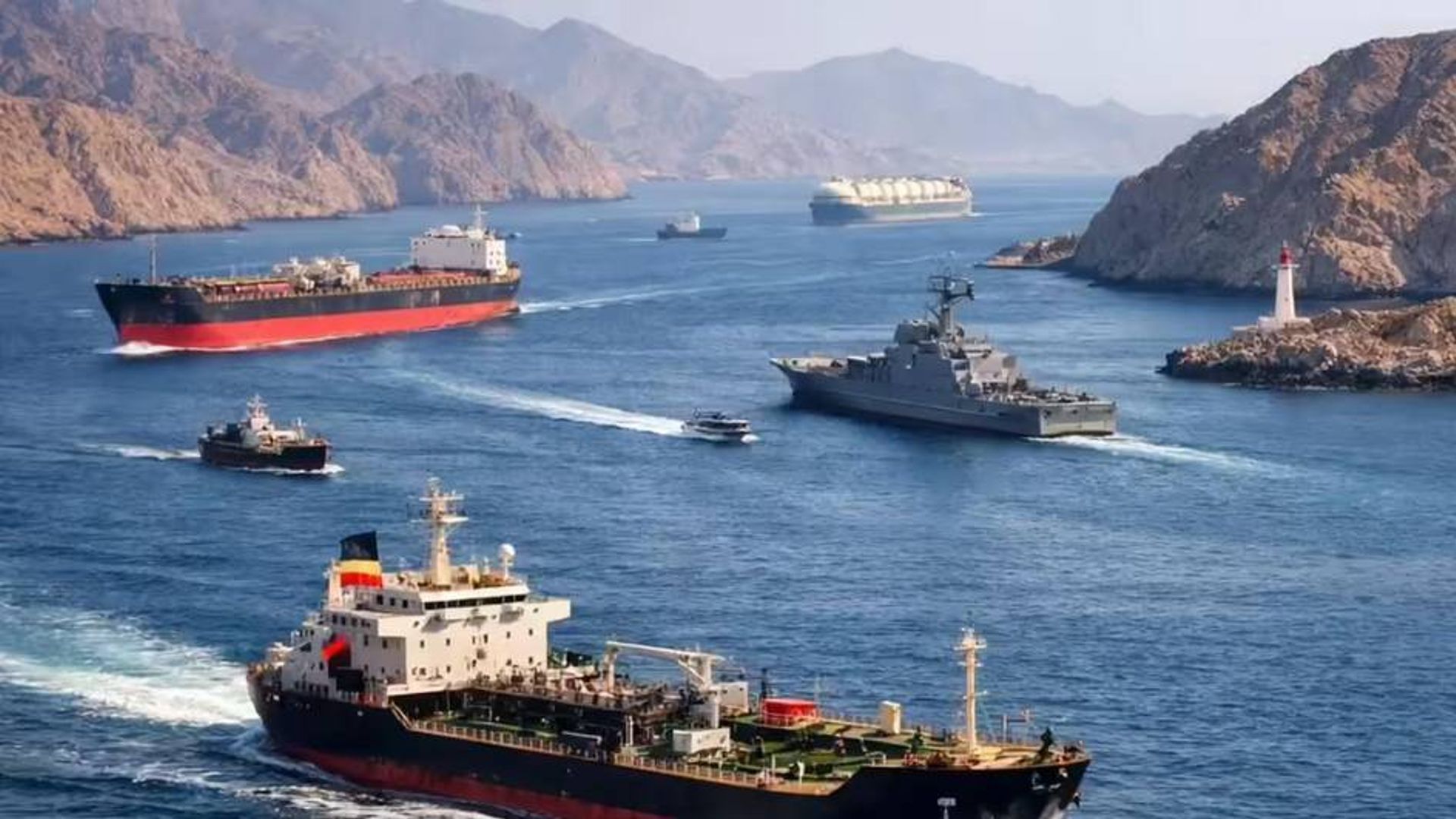
For six months, the global economy has relied on pre-war inventory buffers to mask the severity of the Hormuz closure. While analysts initially labeled the 20 percent rise in oil prices as muted, that assessment ignores a critical reality: the stockpiles that acted as a shock absorber are now largely exhausted. Unlike the Suez Canal or Red Sea disruptions, where alternative routes exist, the strait offers no viable maritime workaround. Pipelines in Saudi Arabia and the UAE provide only a fraction of the necessary capacity, leaving nations like Kuwait—which has seen an 86 percent drop in port calls—entirely exposed.
Energy-dependent importers, including Pakistan, Japan, and Kenya, are currently absorbing the full brunt of logistical costs and supply shortages. Meanwhile, the shipping industry has turned to desperate measures, with remaining vessels often traveling under naval escort or with tracking systems disabled to evade detection. The emergence of Singapore and Malaysia as makeshift hubs for redirected flows suggests a rapid, if inefficient, reorientation of global energy trade. As the diplomatic talks surrounding the Oman corridor stall, the insurance market remains the most reliable indicator of stability. Until war risk premiums show a meaningful decline, the current trickle of traffic suggests that the most volatile phase of this crisis is yet to come.


Comments (0)
No comments yet. Be the first!