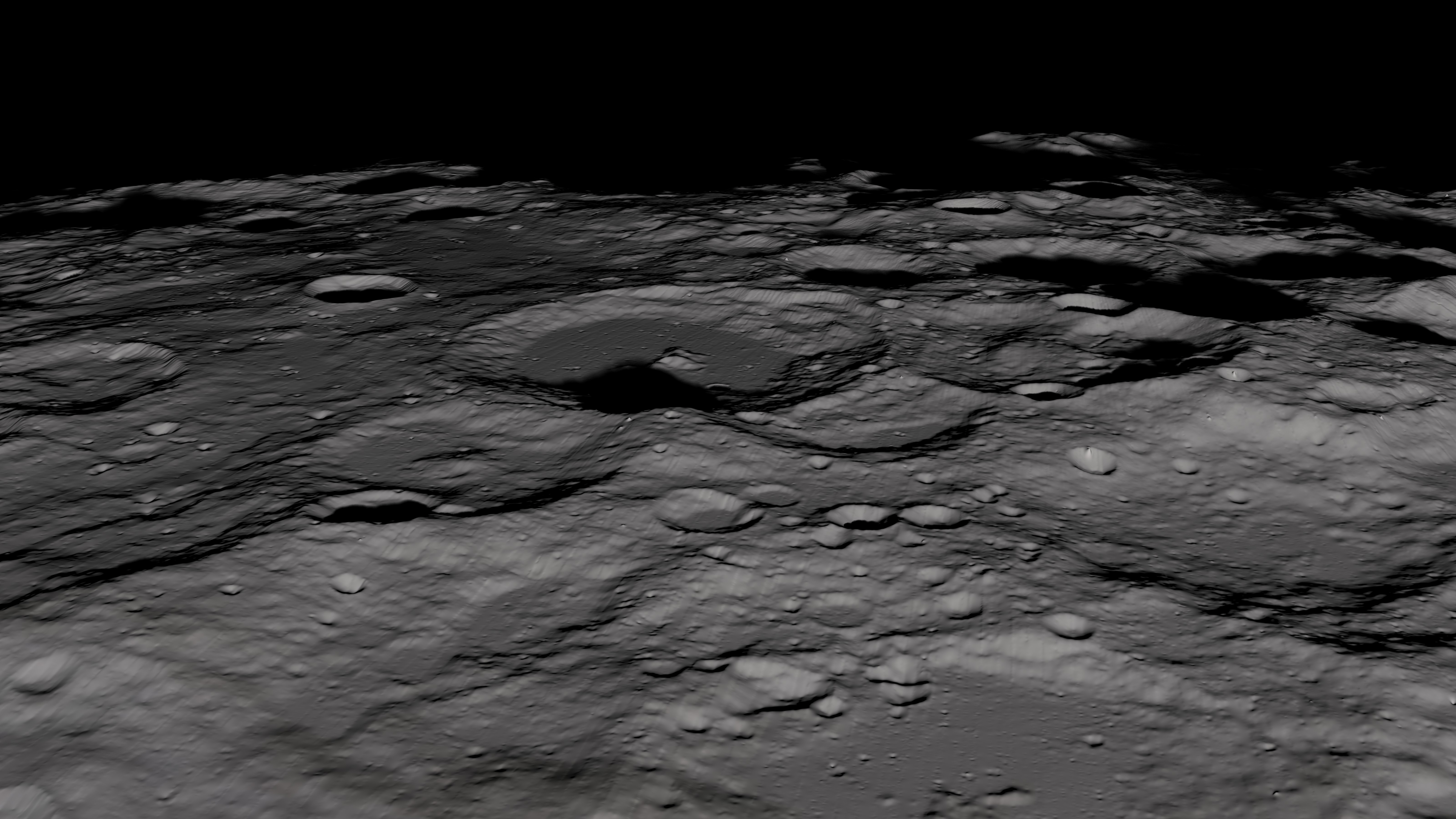
Planetary scientist Prabal Saxena, who led the research at NASA’s Goddard Space Flight Center, notes that the human presence on the lunar surface is inseparable from the biological trail left behind. By using elevation maps and temperature data from the Lunar Reconnaissance Orbiter, the team simulated conditions for five common spaceflight microbes, including Staphylococcus aureus and Aspergillus niger.
Computer models identified a network of survivable niches within the Moon’s shaded polar pockets. In these areas, microbes could remain in a dormant state for at least 24 hours, with Aspergillus niger potentially enduring for up to a week. This persistence creates a significant challenge for geologists, as even dormant biological material risks contaminating the Moon’s natural chemistry. Co-author Andrew Needham emphasized that identifying these contaminants is critical, particularly as researchers prepare to search for signs of life on Mars and seek to distinguish between indigenous extraterrestrial samples and Earth-borne hitchhikers.




Comments (0)
No comments yet. Be the first!