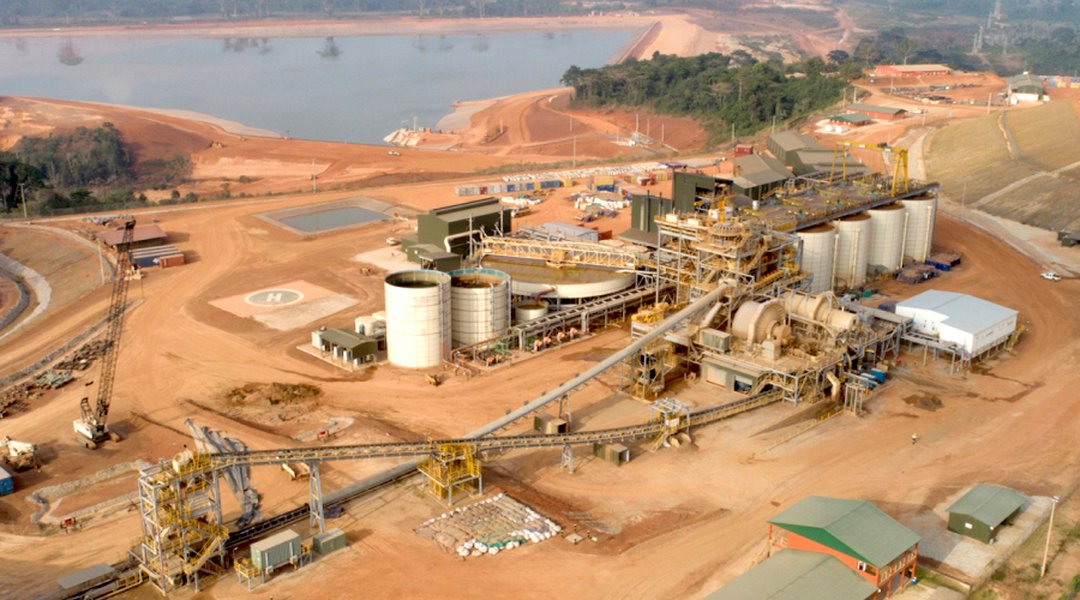
The Alliance of Sahel States (AES), formed by three military-led governments, has pivoted toward Moscow to secure its survival. By trading strategic commodities, these nations seek to bypass the political conditions attached to Western aid. Russian officials, including Sergey Lavrov and Andrei Belousov, have positioned the Kremlin as a primary security guarantor, pledging arms and training in exchange for mining and infrastructure access for firms like Rosatom and Rosneft.
This shift follows the expulsion of French forces and the restriction of U.S. operations across the region. While leaders in Bamako, Ouagadougou, and Niamey frame these agreements as a path to true sovereignty, the practical outcomes remain uncertain. Observers point out that Russia’s own economic constraints, exacerbated by the war in Ukraine, may limit its ability to deliver on these ambitious promises. Despite the strategic allure for the juntas, the reliance on foreign mercenary networks and direct mineral swaps risks long-term instability, leaving the actual security of the Sahelian population in a precarious state.


Comments (0)
No comments yet. Be the first!