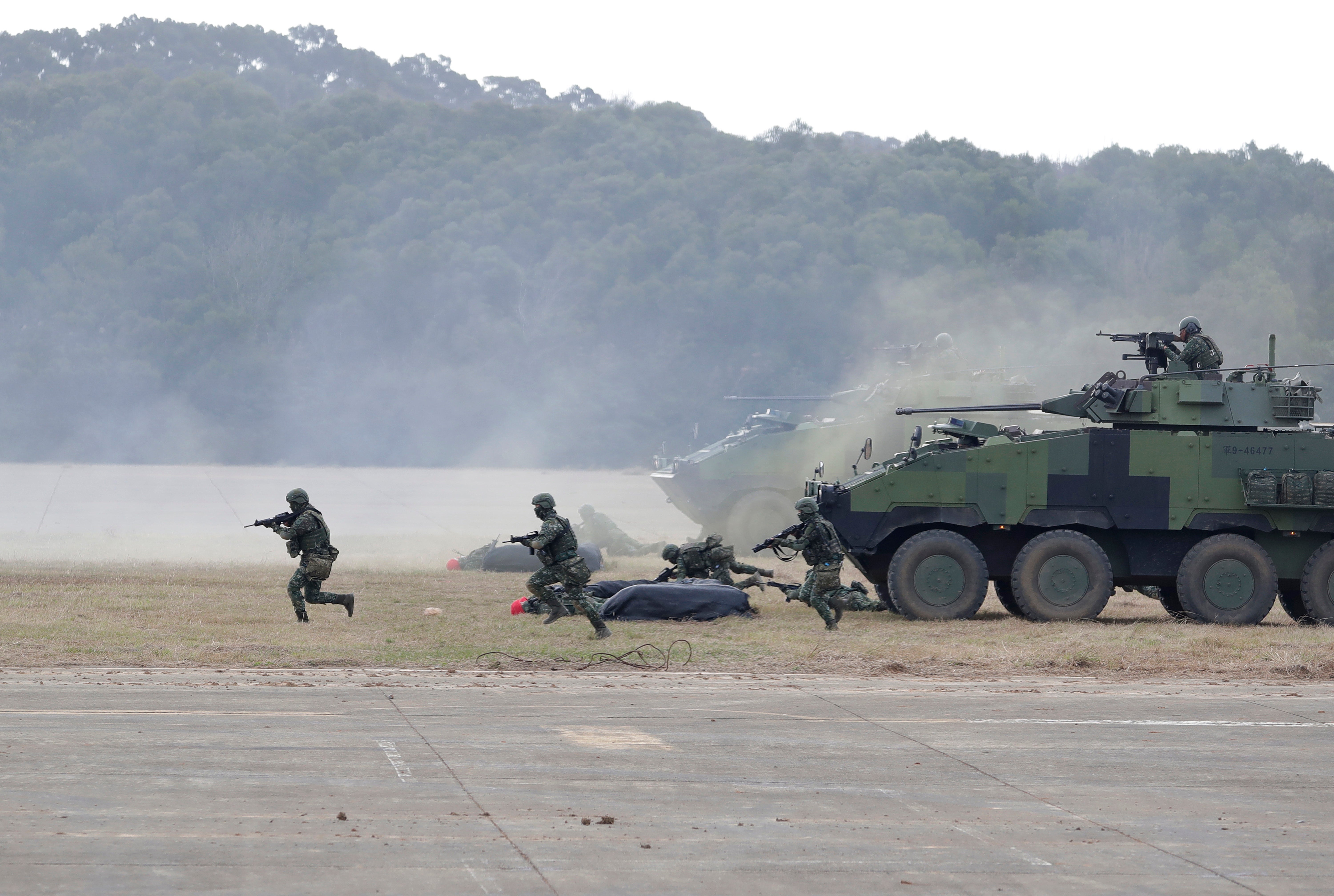
Across Europe, the Middle East, and Asia, the logic of national security is evolving. Governments are no longer operating on the assumption that American policy will remain consistent or that their own interests will always align with Washington’s crisis-driven decisions. Instead, they are building independent capabilities to ensure survival in a world where US commitments appear increasingly conditional.
In the Gulf, states remain tethered to American military support yet are actively expanding ties with China and Russia to diversify their options. Similarly, European nations are treating defense spending as an insurance policy against potential shifts in NATO commitments. In Asia, countries like Japan and Australia are deepening their own defense industrial bases to maintain resilience, even as they reaffirm their reliance on the American security umbrella.
This trend creates a complex paradox for the United States. While Washington has successfully pushed for greater allied responsibility, the current climate of uncertainty is transforming the nature of these partnerships. Alliances are becoming more transactional, with partners prioritizing their own strategic flexibility over deep integration. If the United States cannot restore confidence in the durability and predictability of its foreign policy, it risks a future where allies are more capable but less inclined to act in concert with American objectives.




Comments (0)
No comments yet. Be the first!