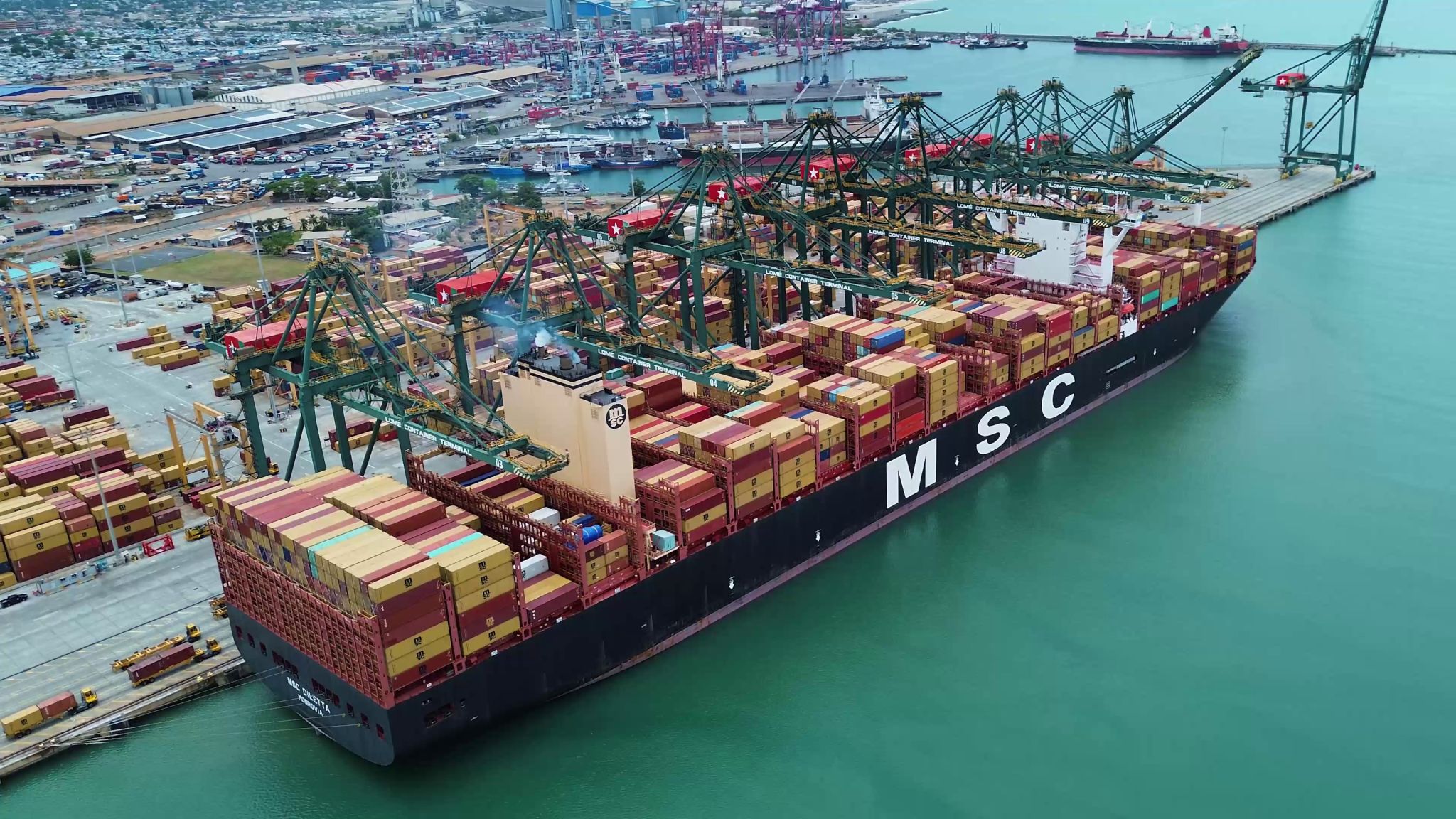
While trade within Africa currently accounts for only 15–20% of the continent's total commerce, it remains vital for industrial growth. Unlike exports to global markets, intra-African trade is heavily focused on manufacturing and value-added goods. By building regional production chains, countries can stop trying to develop every industry in isolation, instead leveraging mineral processing, agricultural supply, and renewable energy across borders to create competitive industrial hubs.
Practical Barriers to Integration
The World Bank estimates that 60% of trade costs originate behind national borders, placing the burden of reform directly on individual governments. Businesses currently struggle with incompatible digital networks, lack of standardized professional qualifications, and transport corridors that impose new administrative hurdles at every frontier. The report identifies four pillars for progress: strengthening regional value chains, cutting trade frictions, enforcing specific investment agreements, and investing in shared regional public goods like power pools and transport corridors. Success requires moving beyond broad continental mandates to ensure that local customs offices, ports, and payment platforms function as a single, interoperable economic space.




Comments (0)
No comments yet. Be the first!