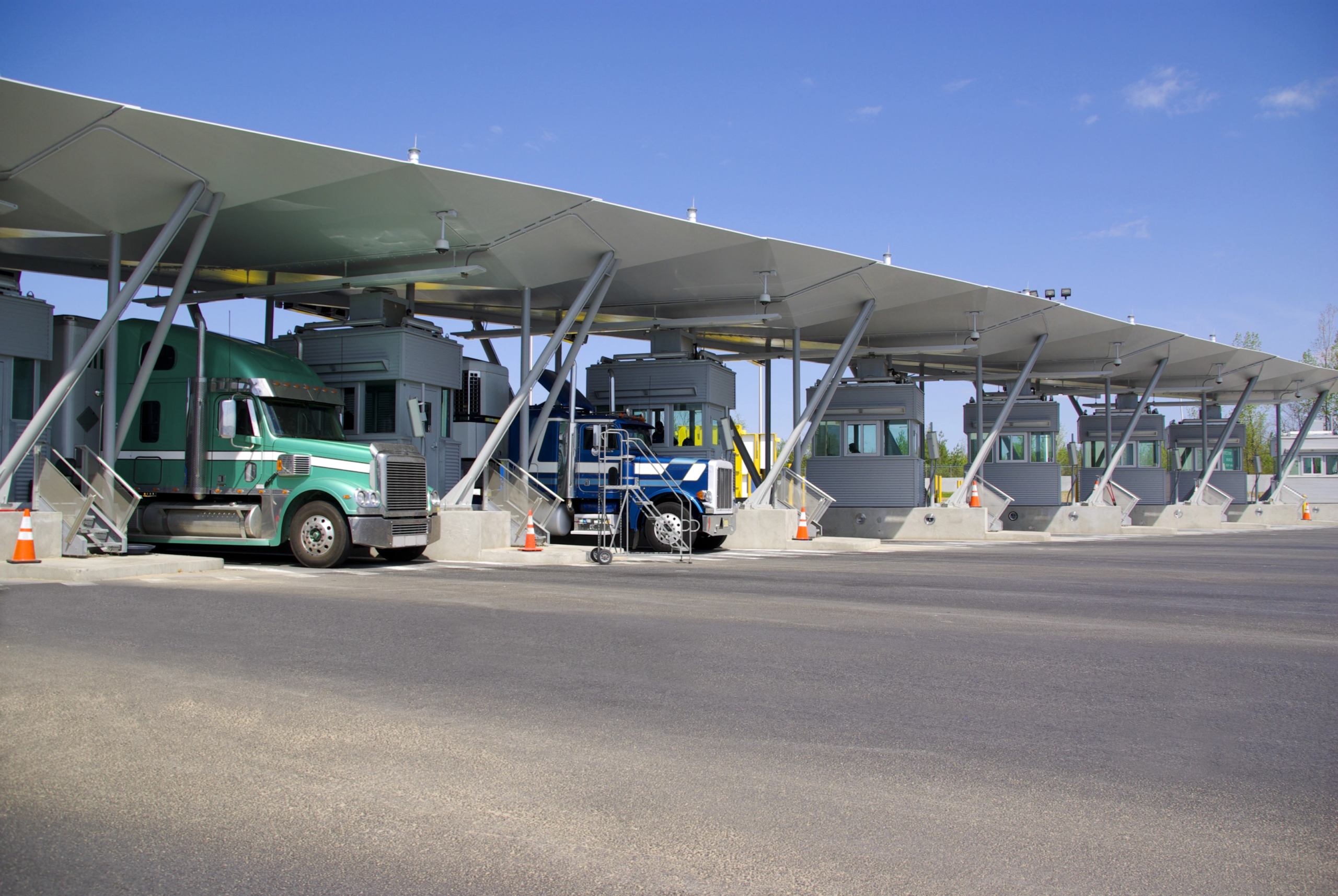
While massive investments have poured into road and rail infrastructure across Central Asia, the actual movement of goods remains hindered by friction at national entry points. The BUILD facility shifts the development focus from raw construction toward operational efficiency, targeting the complex interplay between physical infrastructure and the bureaucratic hurdles that delay freight operators and passengers alike.
Small and medium-sized enterprises stand to gain the most from these improvements. Unlike large corporations capable of absorbing the costs of unpredictable transit, smaller firms in agriculture and tourism often face thin margins where even minor delays jeopardize their market competitiveness. By streamlining procedures and integrating digital screening, the bank hopes to lower the barrier to entry for these smaller players.
Technological deployment alone will not solve the issue, as success hinges on regulatory harmonization across the eleven nations spanning the CAREC program, including Kazakhstan, Uzbekistan, and Pakistan. Because border agencies must balance trade facilitation with security and public health requirements, the true test of this initiative will be whether governments can align their disparate national systems. If the reforms remain isolated to individual posts rather than entire transport corridors, the region will struggle to translate high-tech upgrades into the predictable, cost-effective trade environment necessary for long-term economic growth.


Comments (0)
No comments yet. Be the first!