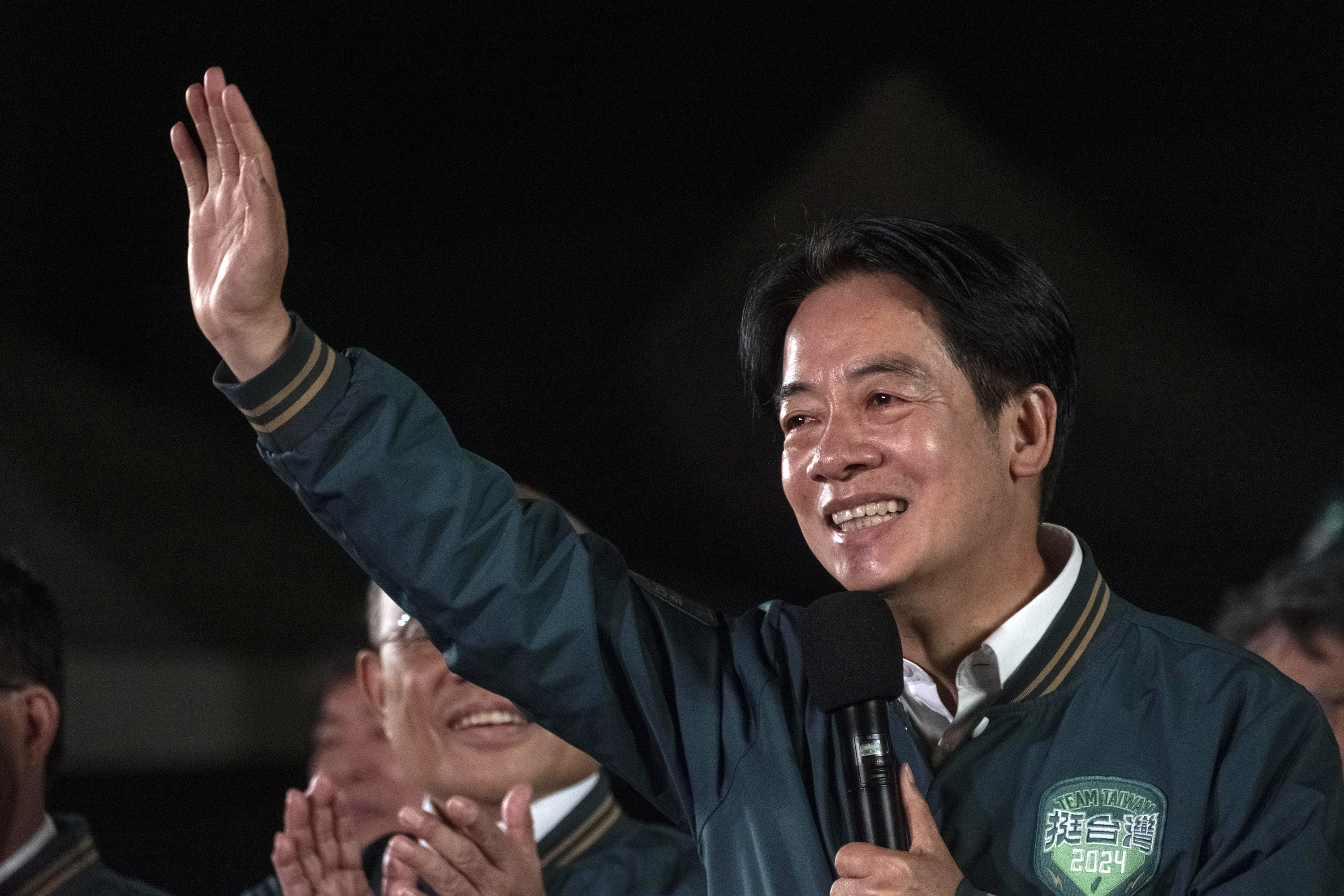
The proposed budget faces fierce resistance from the Kuomintang and other opposition factions, who demand a strict annual spending cap of T$40 billion. Opposition lawmakers argue that locking in such a large, long-term commitment risks purchasing obsolete technology in a sector defined by rapid innovation. They contend that fiscal oversight should remain under the economy ministry rather than the military to ensure better financial accountability.
Defense Minister Wellington Koo has dismissed these constraints as tactically insufficient. According to the ministry, the government’s plan allows for phased procurement and continuous upgrades rather than a singular bulk order. Koo warned that the opposition's proposed cap would cripple the military's ability to scale operations, noting that requirements for 2027 alone are already projected to exceed the suggested limit. Beyond the immediate fiscal deadlock, the dispute underscores the broader challenge of building a domestic, non-Chinese supply chain capable of sustaining a protracted conflict. As Beijing continues to denounce Lai’s administration for seeking independence, the outcome of this vote will signal whether Taipei can reconcile its internal political divisions with the mounting pressure of its shifting security environment.


Comments (0)
No comments yet. Be the first!