
The president’s proposal reflects a broader shift in policy toward Canada, which he now describes as one of the most difficult nations to navigate in global trade. Citing a $60 billion deficit and alleged mistreatment of American farmers, Trump announced that starting January 1, 2027, tariffs on Canadian vehicles, auto parts, and steel will jump to 50%. He emphasized that companies choosing to manufacture within the United States would be exempt from these levies.
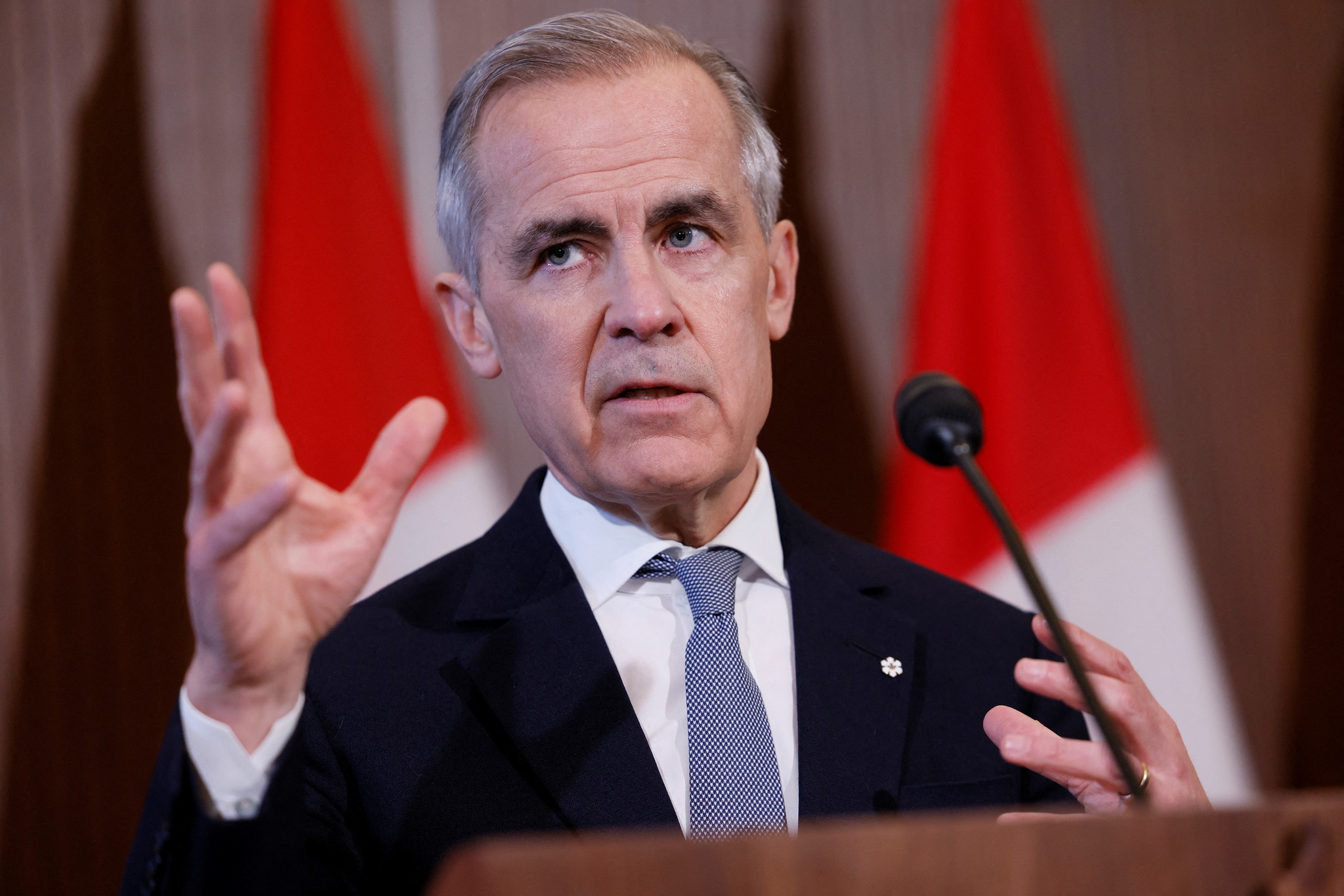
This aggressive stance follows the collapse of long-running negotiations between Washington and Ottawa. Canadian Prime Minister Mark Carney rejected the U.S. offer, labeling it both unfair and economically unviable. In response, Canada has pledged to match the American tariffs dollar-for-dollar starting September 8, targeting key U.S. exports including dairy, appliances, and industrial metals. The dispute marks a significant rupture in North American economic cooperation, with both administrations signaling that previous diplomatic norms are no longer in effect.



Comments (0)
No comments yet. Be the first!