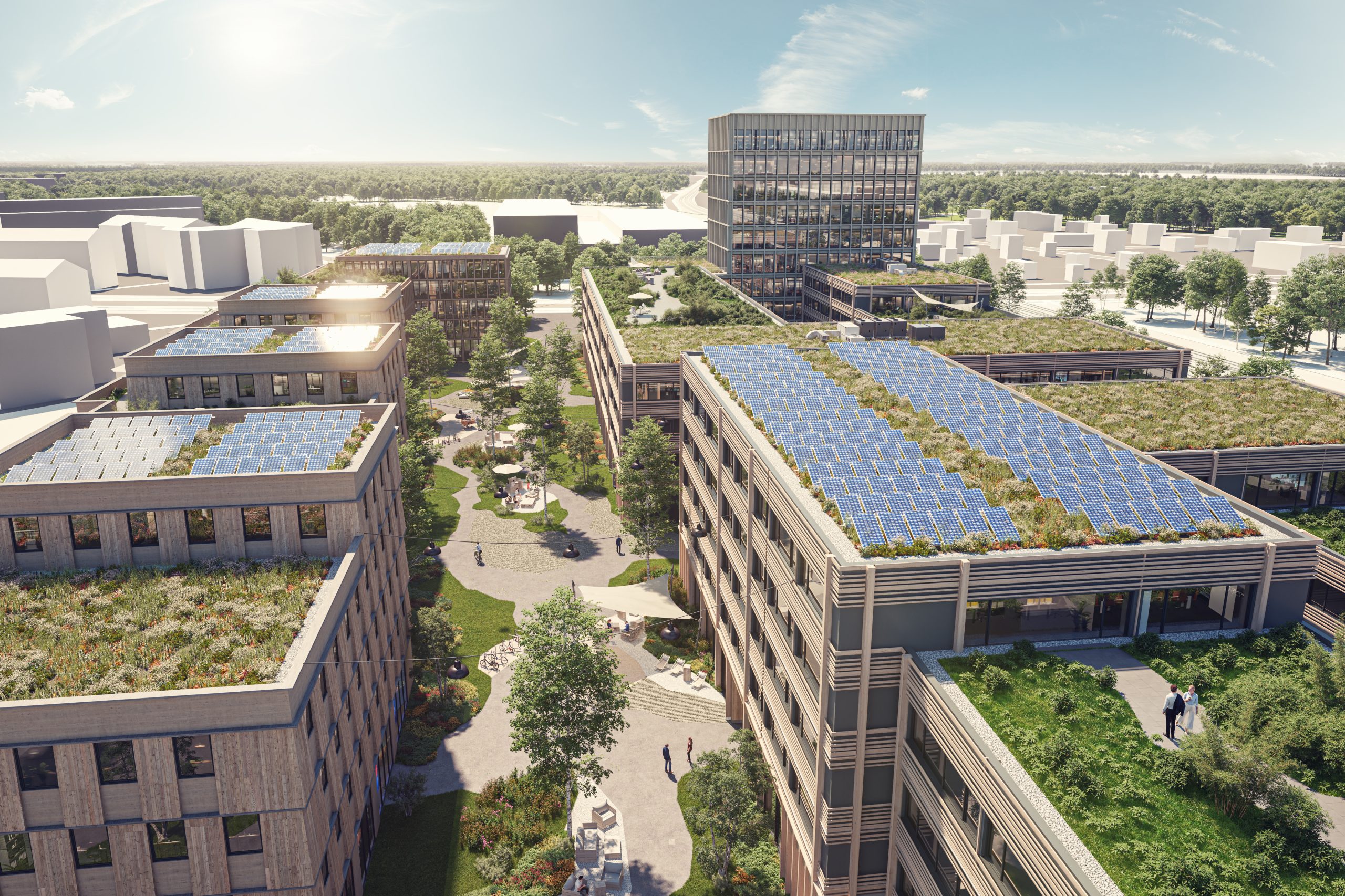
The program, supported by the World Bank and the Korea Green Growth Trust Fund, focuses on creating industrial zones where energy, water, and materials are recycled across company boundaries. In Korea, this approach evolved from the necessity to maintain industrial competitiveness despite rising costs. At the Ulsan industrial complex, waste heat and steam from municipal facilities are piped directly to factories, effectively converting refuse into a cost-effective energy source.
Successful implementation requires more than just technology; it demands institutional coordination to connect potential partners and navigate regulatory hurdles. Organizations like the Korea Industrial Complex Corporation act as intermediaries, bridging the gap between waste producers and companies that can utilize those by-products. For Rwanda, the challenge lies in designing this infrastructure from the ground up. By empowering institutions like the Rwanda Cleaner Production and Climate Innovation Centre to identify resource-sharing opportunities early, the country hopes to avoid the legacy of pollution seen in older industrial economies. As Germaine Hirwa of the CPCIC noted, the shift involves treating waste as a component of an industrial ecosystem rather than a disposable burden.


Comments (0)
No comments yet. Be the first!