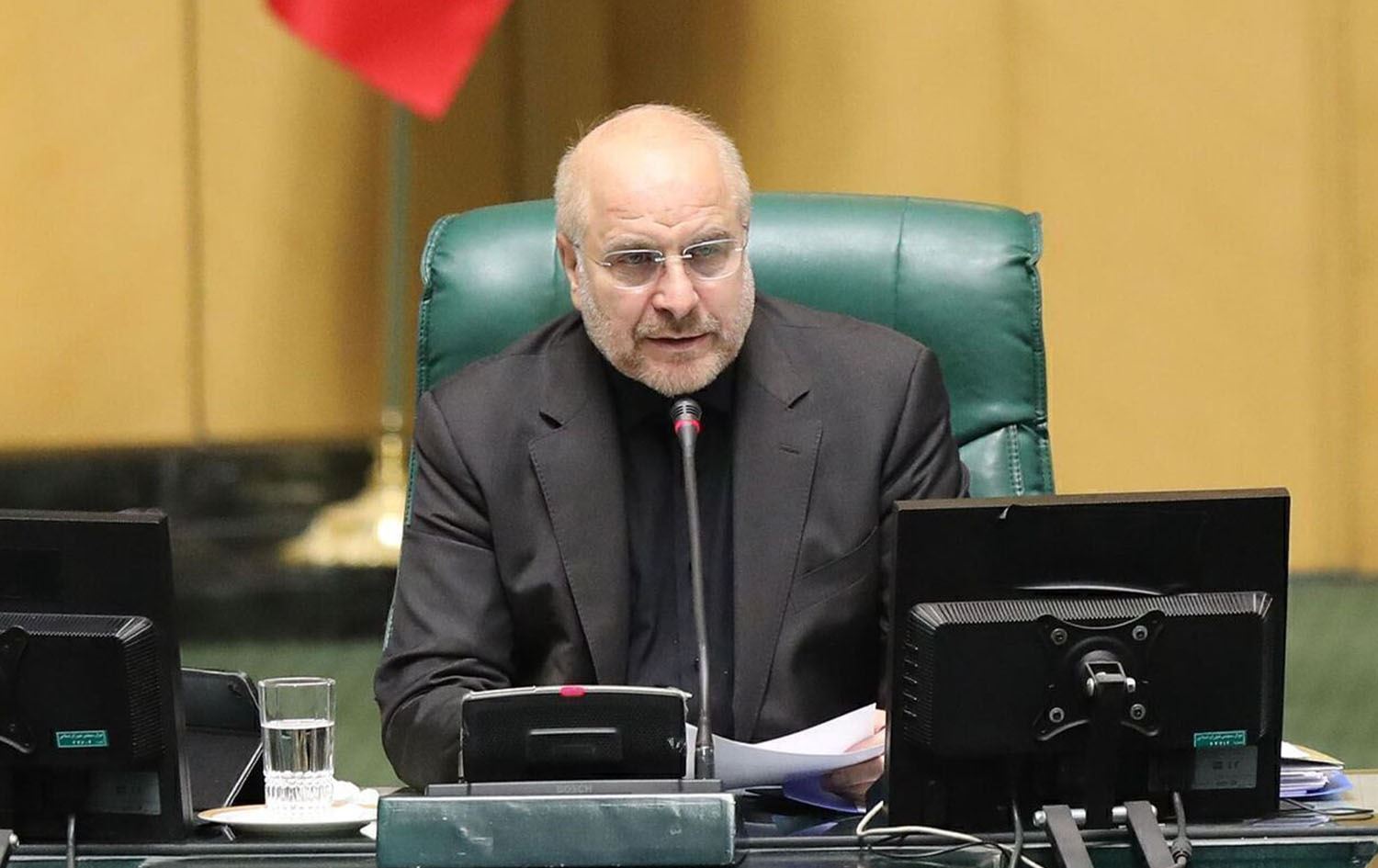
US Treasury Secretary Scott Bessent unveiled the new directive on Monday, threatening to exclude foreign entities from the dollar-based financial system if they continue to facilitate trade with Iran. While the Treasury sanctioned 60 individuals, entities, and vessels, the list notably omitted major Chinese financial institutions that serve as Tehran's primary economic lifeline. Bessent stopped short of immediate enforcement, offering trading partners a window to align with the new policy.
Tehran responded with a mix of defiance and tactical threats. Economy Minister Ali Madanizadeh claimed the state is fully prepared for an economic offensive, warning that Iran’s response would shift from defensive postures to active countermeasures. Brigadier General Hossein Mohebbi, representing the Islamic Revolutionary Guard Corps, escalated the rhetoric by pledging direct strikes against US energy chokepoints if Iranian infrastructure faces further disruption.
The standoff persists despite six months of conflict following US and Israeli strikes on the country. Although the military engagement has remained relatively quiet in recent weeks, the Trump administration continues to utilize economic pressure to curb Iranian missile and drone capabilities. While the sanctions have historically strained the Iranian economy, they have yet to alter the leadership's strategic course or resolve the instability affecting global shipping in the Gulf and Red Sea.


Comments (0)
No comments yet. Be the first!