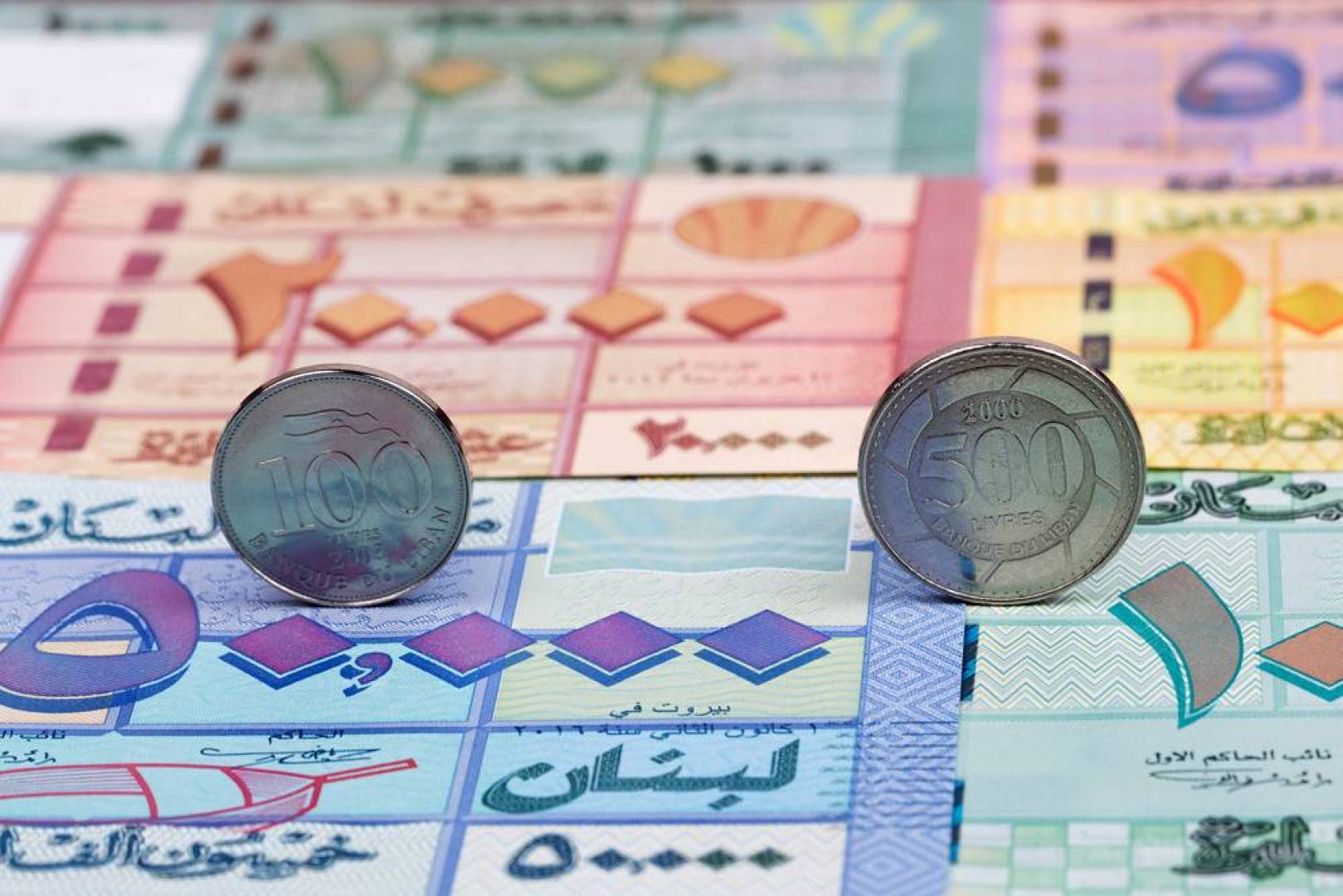
The latest Lebanon Economic Monitor reveals a stark transition from the 4.2% GDP growth seen in 2025—the strongest performance since the 2019 financial crisis—to a projected downturn. The escalation of conflict in March 2026 effectively severed the momentum built by increased consumer spending and tourism, forcing a shift in household resources toward basic necessities. Dahlia Khalifa, World Bank Group Middle East Director, noted that the conflict has intensified an existing social crisis, making banking sector restructuring and fiscal management essential for any long-term recovery.
Public finances, which showed a 3.9% GDP surplus in 2025, face mounting pressure as the government balances humanitarian costs and wage demands against shrinking revenues. With inflation projected at 17.5%, household purchasing power is eroding rapidly. Beyond immediate fiscal strain, the destruction of physical assets and the potential loss of human capital through the departure of skilled professionals threaten to depress Lebanon’s productive capacity for years to come. Resolving the country’s unsustainable debt and implementing deeper banking reforms remain the primary obstacles to restoring economic stability.


Comments (0)
No comments yet. Be the first!