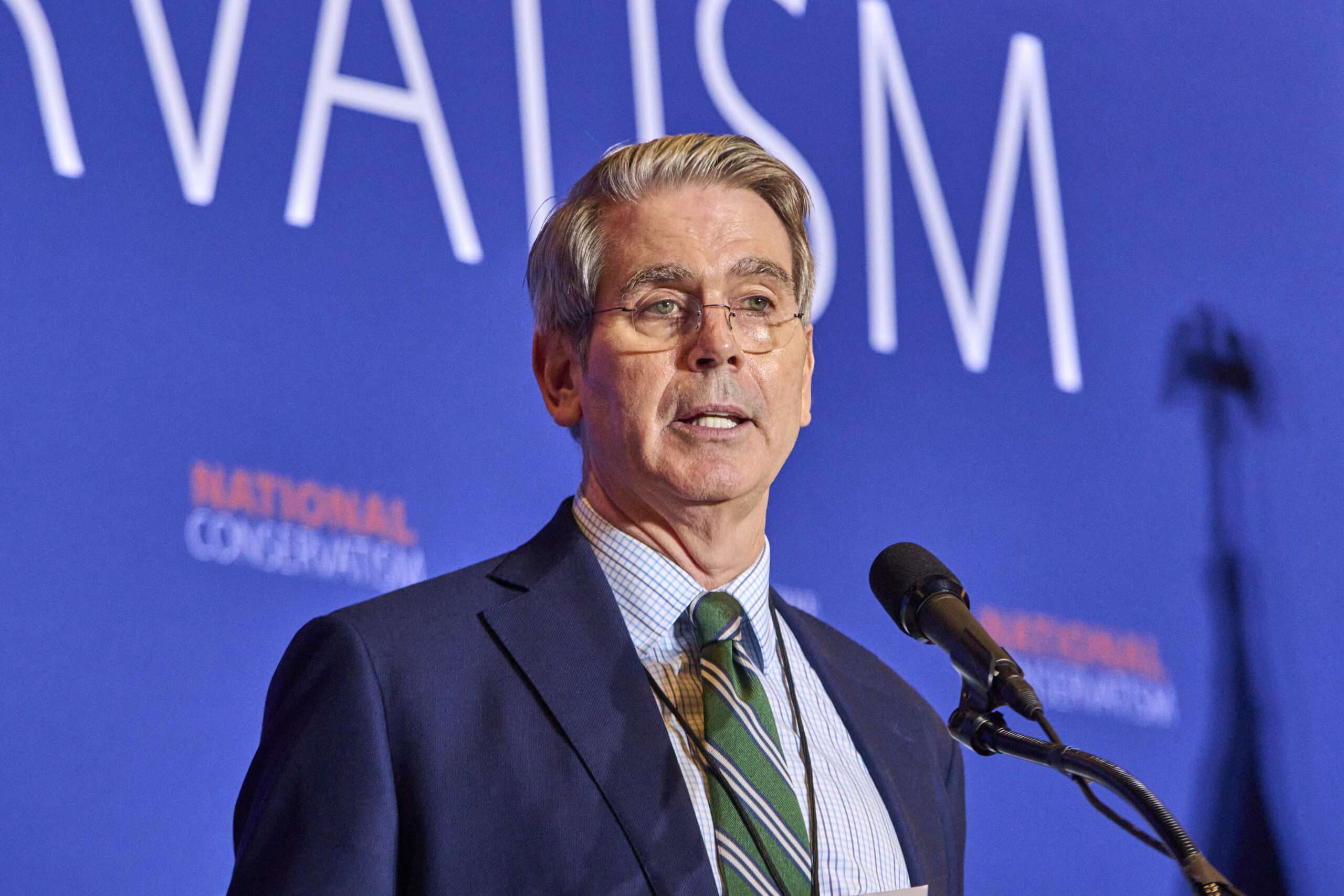
Bessent described the upcoming measures as the most significant financial campaign ever marshalled against an adversary. The strategy targets nations facilitating Iranian petroleum exports, specifically those overlooking seaborne fuel transfers or providing banking support. President Donald Trump, who first teased the "economic D-Day" last week, has signaled that any military retaliation from Tehran will be met with a swift and decisive response.
Tehran has responded with a direct threat to global energy security. Mohsen Rezaei, secretary of Iran’s Supreme National Security Council, warned that if the economic pressure continues, Iran will halt all oil exports through the Strait of Hormuz and the Persian Gulf. He added that any nation supporting the US operation would be viewed as an active participant in the conflict. Foreign Ministry spokesperson Esmaeil Baghaei dismissed the secondary sanctions as an illegal attempt to exert extraterritorial sovereignty over independent states.
Despite the escalation, internal divisions persist in Tehran. President Masoud Pezeshkian has publicly advocated for a diplomatic resolution, while parliament speaker Mohammad Baqer Qalibaf acknowledged that military strength cannot compensate for the mounting strain on the nation's economy. With China currently purchasing over 80 percent of Iran's oil according to Kpler data, Beijing has urged both sides to return to the negotiating table. As the standoff intensifies, oil transit through the Strait of Hormuz has slowed to a virtual standstill.


Comments (0)
No comments yet. Be the first!