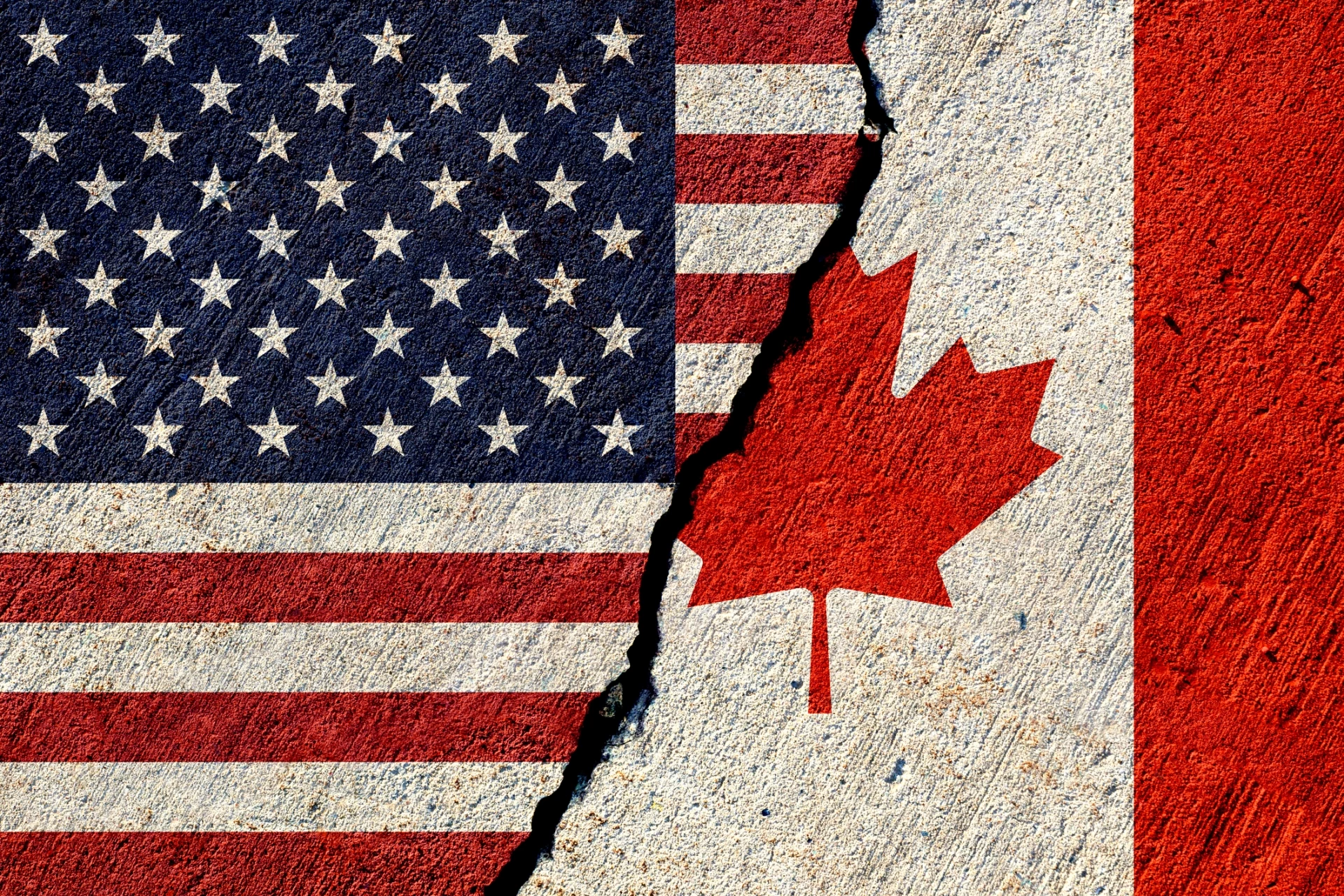
Washington’s decision to impose 50% tariffs on Canadian goods triggered an immediate promise of dollar-for-dollar retaliation from Ottawa, set to begin September 8. The measures target vital sectors, including steel, dairy, electronics, and agricultural equipment. Prime Minister Carney, who previously warned that the world had entered an era of economic coercion, accused the U.S. of weaponizing integration. Political analysts and provincial leaders, including Ontario’s Doug Ford and Saskatchewan’s Scott Moe, have signaled broad domestic support for this aggressive stance, viewing the U.S. administration as an unreliable partner.
While the current dispute focuses on immediate industrial pressure, the economic stakes are profound. Nearly 75% of Canadian exports flow to the U.S., creating a lopsided battlefield where retaliation threatens to drive up costs for Canadian consumers. Despite the risks, the Canadian government is accelerating efforts to diversify its trade portfolio, seeking $1 trillion in non-U.S. investment by 2030. Experts suggest that even if the immediate tariff conflict eases, the fundamental loss of trust and the rise of American protectionism ensure that the bilateral relationship will never return to the status quo of the post-NAFTA era.



Comments (0)
No comments yet. Be the first!