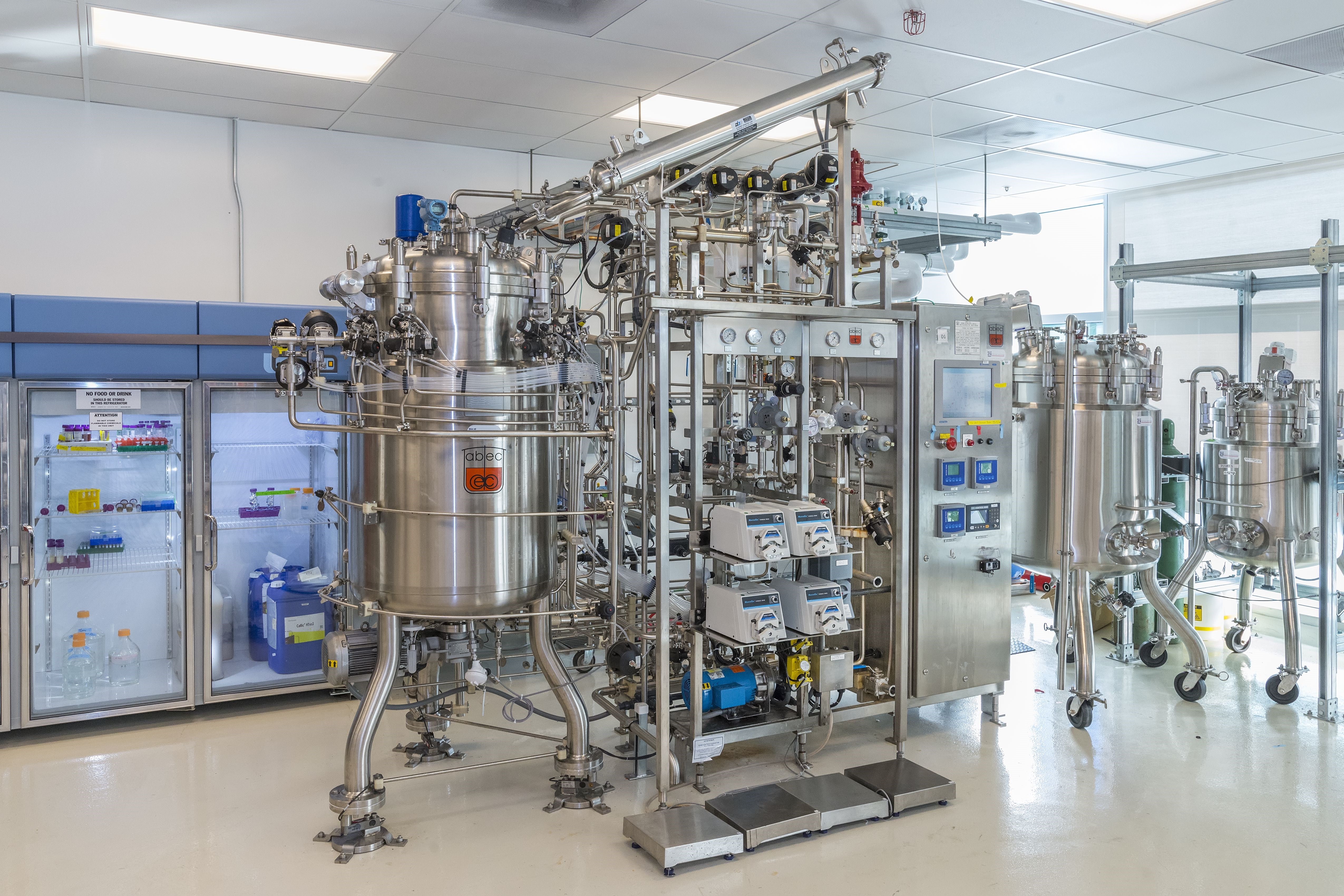
Modern biotechnology relies on reprogrammed cells acting as microscopic factories. While bacterial systems like E. coli serve for simpler molecules, mammalian platforms—specifically Chinese Hamster Ovary (CHO) cell lines—remain the gold standard for complex, glycosylated therapeutics. Optimizing these systems requires more than simple gene expression; it demands careful management of nutrient feeding, oxygen transfer, and shear stress, which often behave unpredictably when scaling from a 2-liter vessel to a 2,000-liter production run.
Successful manufacturing treats the process as an integrated narrative rather than a series of silos. Upstream efforts to maximize protein titer must account for downstream purification requirements, where chromatography and filtration remove host cell contaminants and ensure viral safety. Because any upstream adjustment can alter impurity profiles, engineers must design these stages to function in tandem. This 'Quality by Design' approach is essential to satisfy international regulatory frameworks, including the EMA and FDA, which demand exhaustive documentation and data-backed consistency.
For many firms, the bridge between laboratory discovery and commercial production is built by contract development and manufacturing organizations (CDMOs). By leveraging external manufacturing capacity and regional regulatory expertise, companies can navigate the complexities of GMP production. As the demand for biologics grows, this partnership between developers and specialized manufacturers becomes the ultimate arbiter of whether a breakthrough molecule successfully reaches the clinic.



Comments (0)
No comments yet. Be the first!