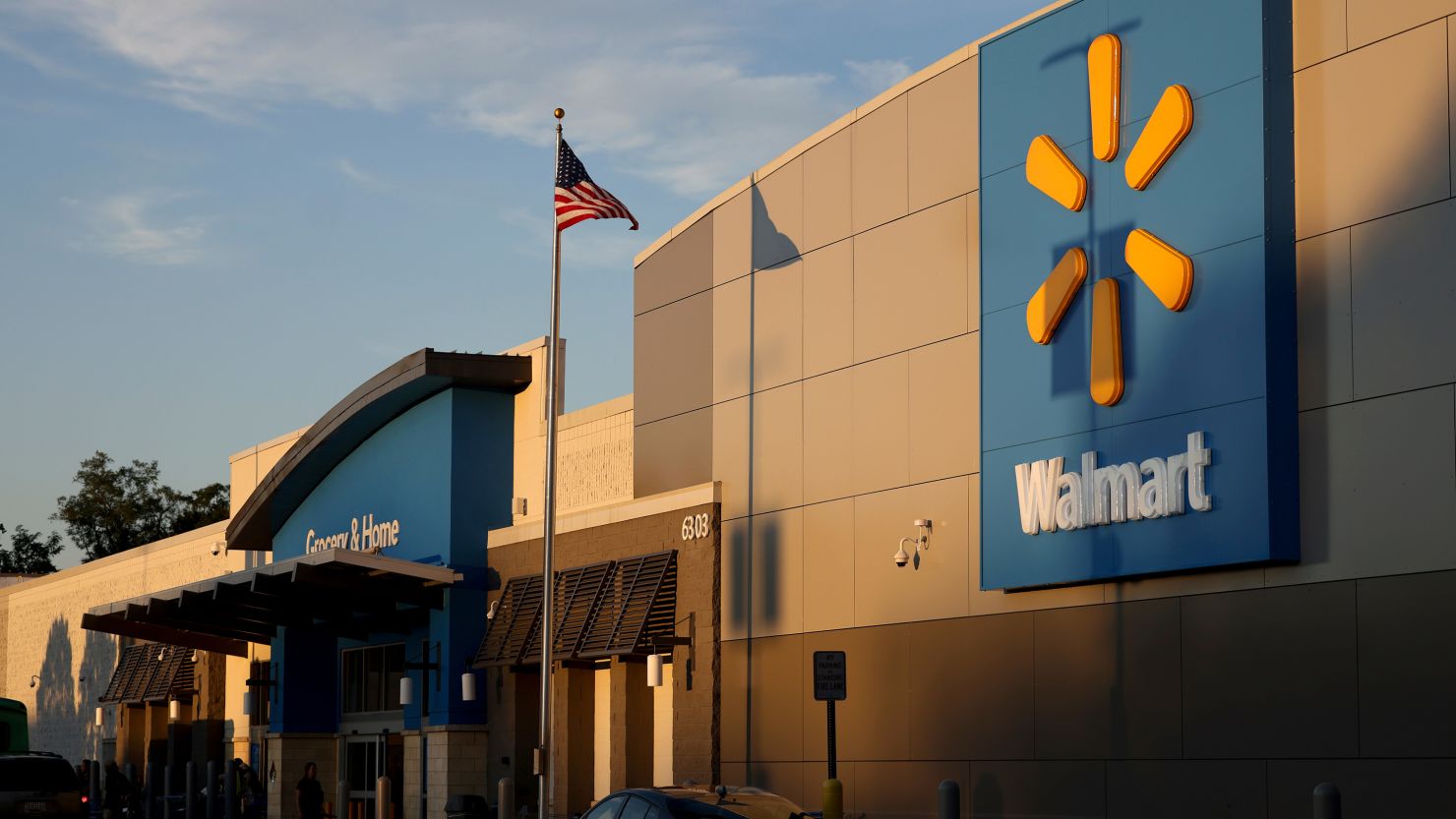
High gasoline prices are currently acting as a primary drag on U.S. consumer sentiment, forcing the retailer to pivot toward more defensive tactics. To stimulate demand, Walmart plans to leverage $2.9 billion in tariff refunds to fund deep price reductions across its inventory. Management expects these efforts to gradually recover unit sales volume, though the immediate market reaction suggests skepticism regarding the long-term impact on profitability.
Despite the cooling store traffic, the company is pointing to its digital footprint as a critical buffer. E-commerce remains a rare bright spot with a 24% increase in online sales. Analysts remain split on whether these strategic price interventions will successfully insulate the company from broader economic headwinds or simply erode margins in a volatile retail environment.


Comments (0)
No comments yet. Be the first!