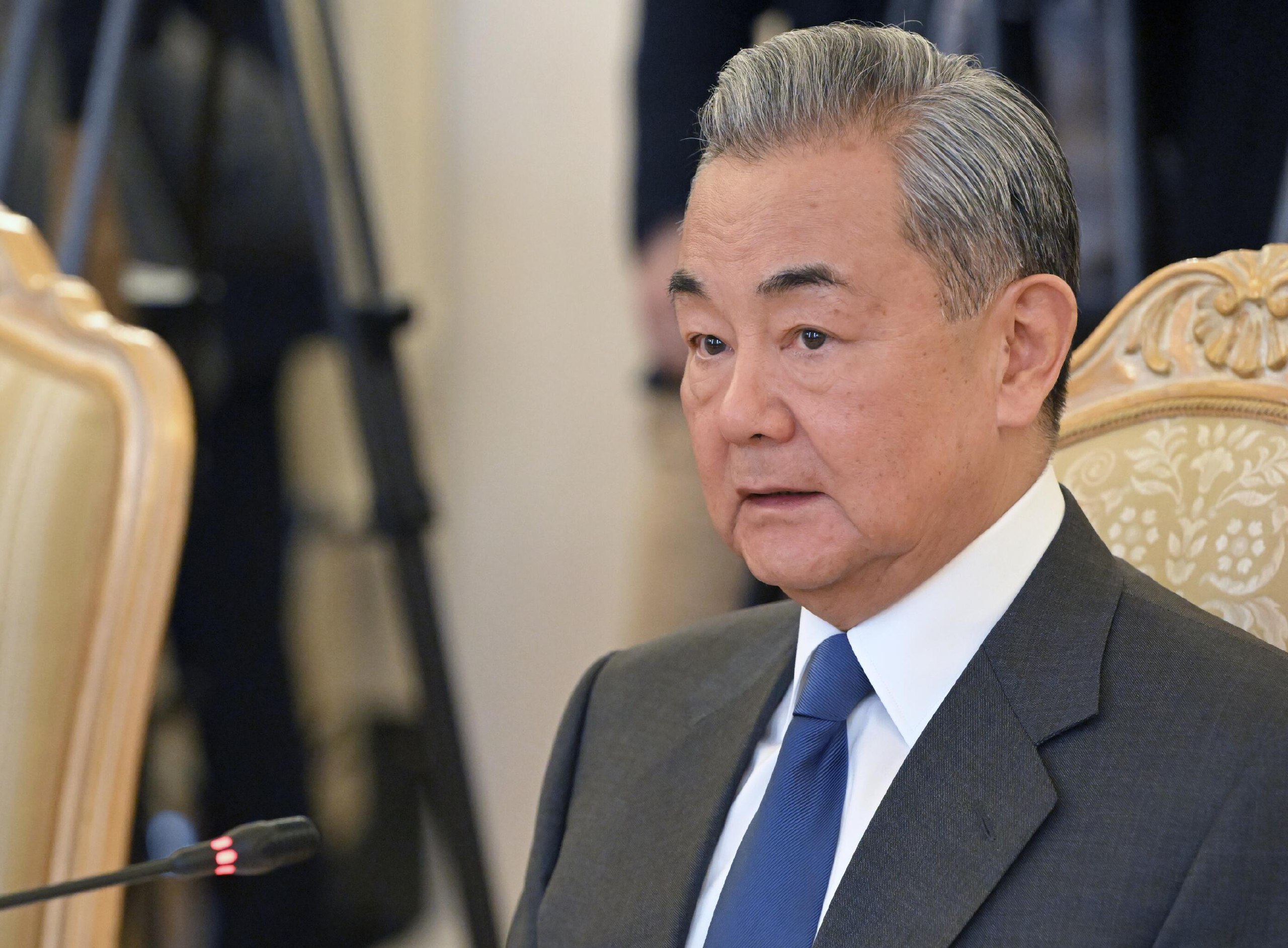
During high-level meetings with National Security Adviser Wi Sung-lac and President Lee Jae Myung, Wang characterized Washington’s regional military posture as the primary engine of instability. Beijing maintains that joint U.S.-South Korean military exercises exacerbate Pyongyang’s insecurity, urging a shift toward confidence-building measures. This pressure comes as Donald Trump’s renewed outreach to Kim Jong Un adds a layer of diplomatic volatility, leaving Seoul to manage the tension between its vital security alliance with Washington and its deep-seated economic dependency on China.
For South Korea, the path forward remains precarious. While the U.S. security umbrella is considered indispensable against North Korea’s nuclear arsenal—which Trump recently estimated at 57 warheads—the prospect of being sidelined in future Washington-Pyongyang negotiations is a growing concern. Simultaneously, Seoul is pursuing a second stage of free trade negotiations with Beijing, highlighting the cost of political friction. As Pyongyang continues to demonstrate its military reach, including a recent suspected ballistic missile launch, Beijing’s call for autonomy serves as a strategic hedge against the potential for an expanded U.S. military footprint in East Asia. Ultimately, Seoul faces the challenge of preserving its core security commitments without triggering a total breakdown in ties with its largest trading partner.



Comments (0)
No comments yet. Be the first!