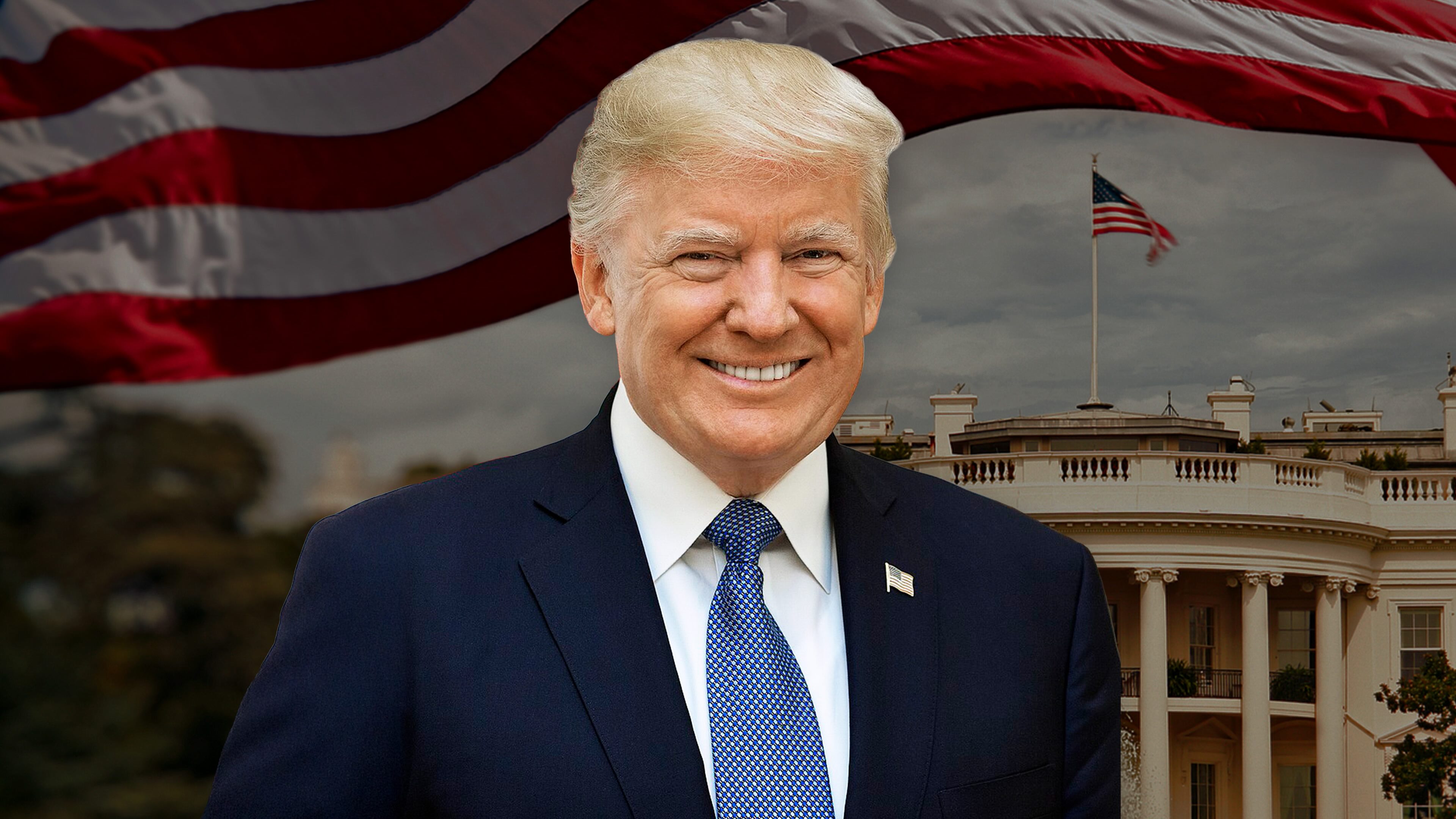
The strategy aims to force third-party nations to sever commercial ties with Tehran, yet the ambiguity surrounding potential penalties leaves key U.S. partners in a precarious position. The United Arab Emirates has already suspended trade and financial transactions with Iran, illustrating the immediate cooling effect of Washington’s rhetoric. However, the move followed reported missile launches, highlighting the delicate balance Gulf states maintain between hosting U.S. military bases and managing proximity to Iranian influence.
China remains the most significant obstacle to complete isolation, as it currently purchases over 80% of Iran’s oil exports according to Kpler data. For Washington, a direct confrontation with Beijing over these shipments risks triggering a broader economic retaliation that would extend far beyond the Middle East. While Trump pursues a more restrictive nuclear agreement, the failure of previous ceasefire attempts suggests that diplomatic pathways are narrowing.
Beyond bilateral tensions, the global economy remains vulnerable to these maneuvers. The Strait of Hormuz continues to serve as a critical artery for international energy, and any further tightening of sanctions could exacerbate market volatility. As the conflict shifts toward economic warfare, the risk is not merely the containment of Tehran, but the potential for these measures to fracture U.S. alliances and drive up energy costs for the global consumer.


Comments (0)
No comments yet. Be the first!