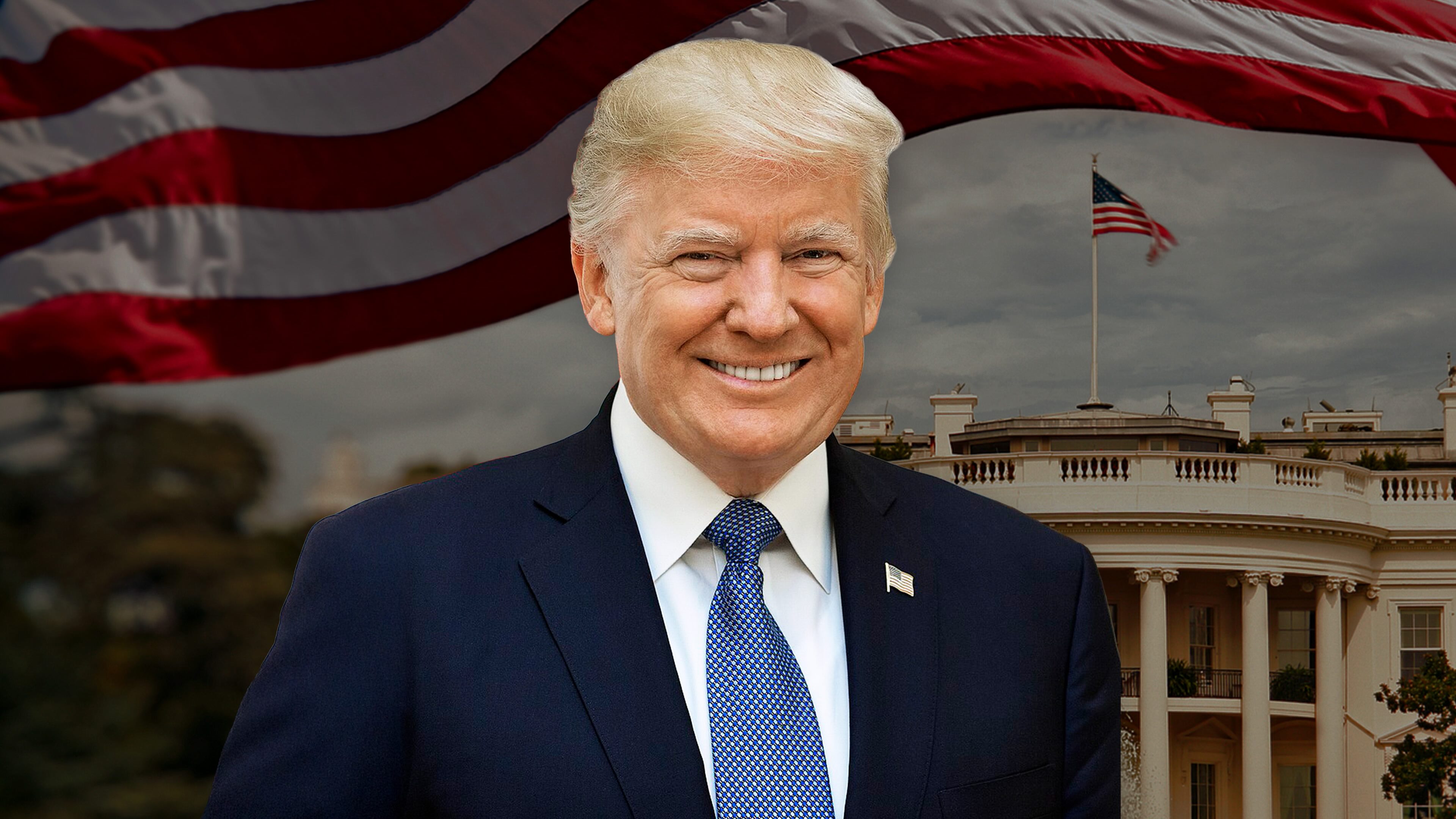
South Korean Foreign Minister Cho Hyun recently confirmed that the sudden reduction of annual military drills from 11 days to five was not merely a cost-cutting measure. Instead, the move functions as an instrument of pressure, designed to extract concessions on a $350 billion investment pledge and force Seoul to take a definitive stance on the conflict with Iran. For decades, the alliance functioned as a predictable pillar of regional stability; now, it is being treated as a bargaining chip in a broader, transactional global strategy.
This shift creates a profound dilemma for Seoul. While the government remains tethered to U.S. security guarantees to counter North Korea’s nuclear capabilities, the lack of prior consultation on the drill cuts has eroded trust. Officials in Seoul are wary that prioritizing U.S. demands in the Middle East could distract from their immediate defense needs. Meanwhile, the reduction in training may facilitate a diplomatic opening with Pyongyang, as Trump seeks to leverage military restraint to renew personal ties with Kim Jong Un. Ultimately, Washington’s attempt to consolidate its geopolitical objectives into a single negotiation may backfire, compelling South Korea to accelerate its own defense autonomy to hedge against the newfound unpredictability of its primary benefactor.


Comments (0)
No comments yet. Be the first!