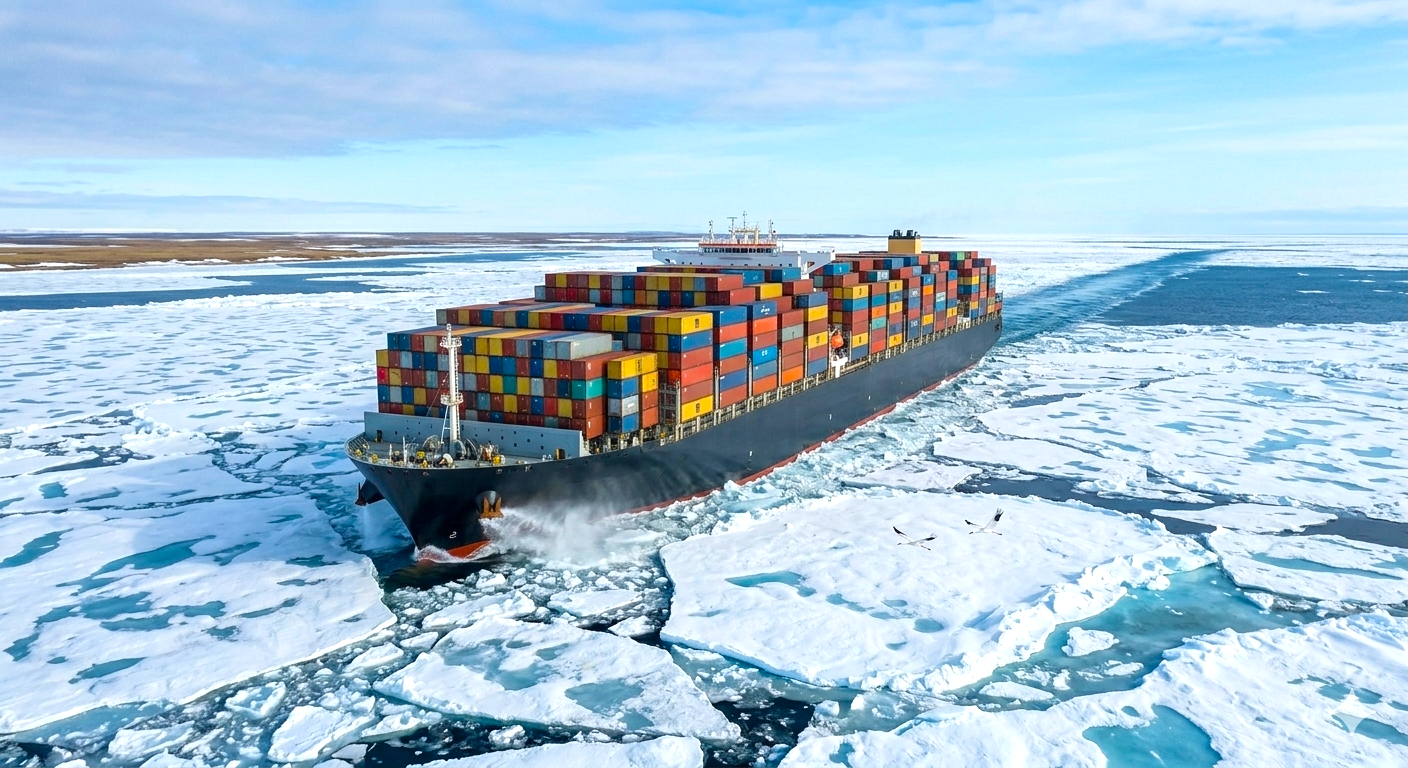
The Northern Sea Route, once a seasonal curiosity, is shifting into a structural component of Beijing’s trade strategy. By utilizing the route, the Sea Legend shipping line has reduced the standard 40-day transit from Ningbo to Felixstowe to approximately 20 days. This shift is a direct reaction to the volatility surrounding traditional lanes: Houthi attacks have crippled Red Sea traffic, while insurance costs and fuel surcharges have made the voyage around the Cape of Good Hope increasingly prohibitive. For Chinese exporters, the Arctic offers a window of relative predictability that the current global maritime order can no longer guarantee.
However, this efficiency comes with significant political strings. The route passes through waters where Moscow dictates the terms, from icebreaker support to the complex permit system managed by Rosatom. By tethering its trade to the Northern Sea Route, Beijing is effectively granting Russia a new form of leverage over its supply chains. While Western carriers remain sidelined by environmental concerns and the logistical hazards of ice-bound transit, China’s willingness to operate under Russian oversight highlights a deepening economic corridor that bypasses Western influence entirely. Whether this route remains a viable alternative or becomes a liability depends on the continued cooperation of the Kremlin and the unpredictable pace of Arctic ice melt.




Comments (0)
No comments yet. Be the first!