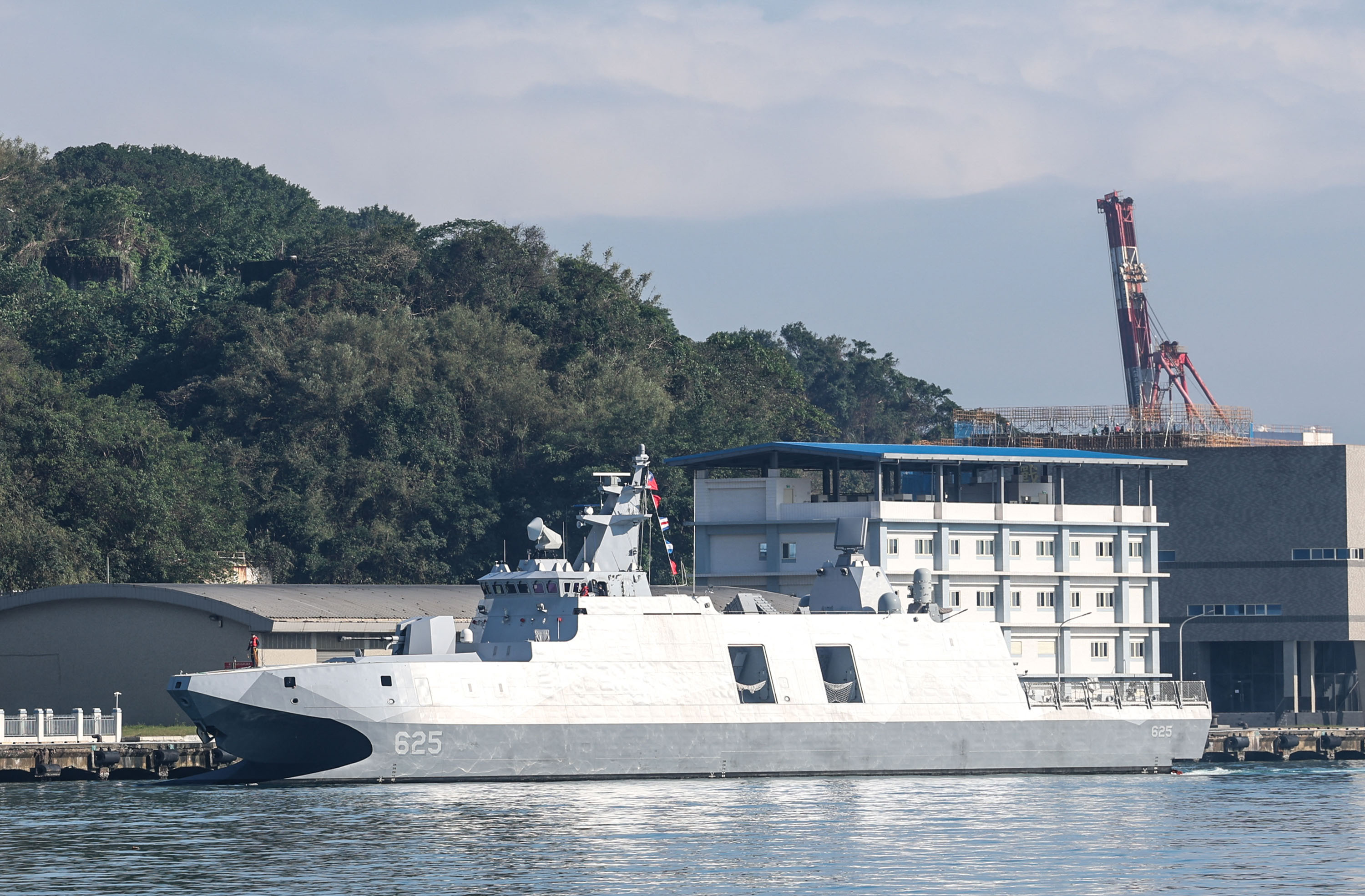
The recent transit of the Indonesian frigate KRI I Gusti Ngurah Rai provides a masterclass in this approach. Following a joint drill with Russia in Vladivostok, the vessel conducted a passing exercise with a Chinese frigate east of Taiwan. While Jakarta characterized the encounter as a standard communication drill, the location was dictated by Beijing, not Indonesia. By integrating this maneuver into a sequence of regional cooperation, China effectively utilized a third-party navy to project power in waters where Indonesia has no territorial stake, yet where Beijing faces significant diplomatic resistance.
This pattern suggests a calculated selection criterion. Beijing excludes the Philippines, a treaty ally of the United States and a vocal opponent in the South China Sea, opting instead for partners who either lack mutual defense treaties with Washington or maintain them in a dormant state. This allows China to avoid direct confrontation with the most capable regional actors while incrementally lowering the psychological threshold for seeing Chinese warships in disputed maritime corridors. The goal is not interoperability or shared defense, but the creation of a precedent where Chinese naval activity is viewed as unremarkable traffic rather than a strategic signal. For regional capitals, the intent may be hedging or routine logistics, but the effect remains a steady, quiet expansion of China's maritime footprint.




Comments (0)
No comments yet. Be the first!